Plan a stay near Las Baulas National Marine Park and Playa Grande in Costa Rica. Compare quiet park-side hotels with Tamarindo, learn about turtle nesting season, walking distances, prices, and practical tips for first-time visitors.
Staying near Las Baulas National Marine Park: who it really suits
Waves hit Playa Grande with a steady, unhurried rhythm, while the rest of Costa Rica’s Pacific coast is already clinking glasses in Tamarindo for the night. This is the first distinction you need to understand about any hotel near Las Baulas National Marine Park: you come here for the beach and the turtles, not for a scene. The park protects one of the most important leatherback sea turtle nesting sites in the Pacific Americas, and that conservation focus shapes everything, from low lighting at night to how close a property can sit to the sand, as outlined by the official park regulations published by Costa Rica’s national park service.
Travelers who thrive here usually want a quieter alternative to a hotel in Tamarindo, but still like knowing that Tamarindo’s restaurants and surf schools are only about 20 minutes away by road in normal dry-season traffic. You trade instant access to bars and shops for a darker, calmer shoreline where you can hear the ocean from your room and, in season, walk out with a certified guide to witness turtle nesting. If your idea of pura vida is sunrise walks, early nights and long swims, this stretch of coast is a strong match, especially if you are happy to plan activities around the national marine park’s rules.
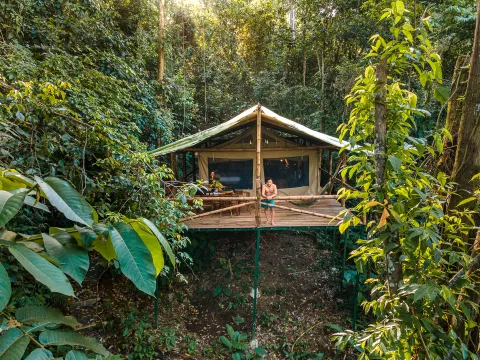
Those who might be disappointed are travelers expecting a dense cluster of beachfront hotel towers, constant entertainment or a polished resort town. Las Baulas is a national park first and a tourism destination second. The best stays here lean into that identity: low-rise hotel villas tucked behind native trees, a property layout that respects the dunes, and a pace that feels closer to a marine park outpost than to a featured resort strip, with simple services rather than all-inclusive resort infrastructure.
- Hotel RipJack Inn – 2–3 minutes’ walk (about 150–200 metres) to Playa Grande; relaxed surf vibe, small pools, simple rooms. Typical nightly rates often fall in the mid-range bracket for the area, depending on season and room type.
- Hotel Cantarana – roughly 400 metres from the beach; intimate feel, on-site restaurant, easy access to the main park entrance. Expect a compact, boutique-style property with a handful of rooms rather than a large complex.
- Playa Grande Park Hotel – about 500 metres to the sand; budget-friendly, compact pool, convenient for first-time visitors. Prices are usually at the lower end of the local spectrum, especially outside peak holiday dates.
- Hotel Las Tortugas – set just behind the dunes, around 100 metres from the high-tide line; rustic, turtle-focused atmosphere. The hotel’s own information emphasises its long-standing connection with turtle conservation and guided night tours.
Geography and atmosphere: Playa Grande, Tamarindo and the park
From the northern end of Playa Grande down to the estuary facing Tamarindo, Las Baulas National Marine Park unfolds as a long, pale arc of sand backed by mangroves and low vegetation. There is no busy coastal road pressed against the beach; most hotels sit a short walk inland, on sandy lanes that run parallel to the shore. Around the small crossroads sometimes referred to as Playa Grande town, you are roughly 300 to 500 metres from the water, close enough to hear the surf but far enough to preserve the dunes and comply with the official setback rules for the protected shoreline.
On the opposite side of the estuary, Tamarindo feels like another world. Neon signs, late-night music, and a denser strip of hotels and restaurants line the main road that runs behind Playa Tamarindo. Staying in the park area means you will probably drive or arrange a boat crossing if you want a night out in town, then retreat to the quieter side before midnight. It is a deliberate separation: national park on one bank, resort town on the other, with the estuary and mangroves acting as a natural buffer between the two environments.
Further north along the same protected coastline, Grande Playa continues with fewer buildings and darker skies. This is where the park’s rules become most visible. Lighting is subdued to protect sea turtles, beachfront hotel footprints are limited, and you will not find a continuous line of suizo beachfront style properties or a capitan suizo type complex right on the sand. The result is a beach that still feels wild at dusk, even though you are only about an hour’s drive from Liberia International Airport under typical conditions, according to average transfer times reported by local shuttle and taxi operators.
Types of stays: from simple lodges to villa-style retreats
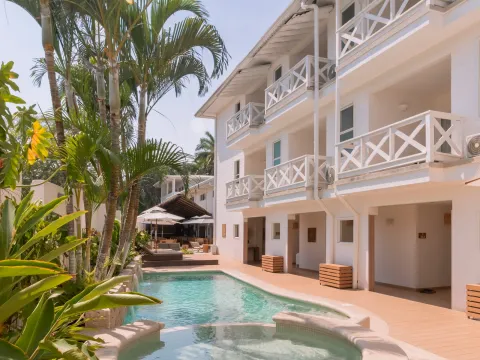
Accommodation around Las Baulas National Park tends to be small-scale, with many properties offering a mix of rooms and villa-style units rather than vast towers. You will find compact hotel villas arranged around a pool, low buildings with shaded verandas, and a few more secluded houses set back from the main sandy lanes. The emphasis is usually on proximity to the beach and the park rather than on elaborate on-site entertainment or large-scale conference facilities.
Some stays feel almost like a private residence, with only a handful of keys and a layout that encourages guests to treat the property as a quiet base between beach walks and marine park excursions. Others are more social, with a central pool area where guests gather after a day exploring Costa Rica’s Pacific coast. In both cases, the scale remains intimate compared with larger beachfront hotel complexes in other parts of Guanacaste, and nightly rates typically reflect the smaller size and limited room inventory.
What you will not find here is a dense cluster of high-rise, beachfront boutique concepts with loud pool parties or extensive nightlife programming. The park’s conservation mission keeps development measured. When you check the details of a potential hotel, pay attention to how many rooms it has, how far it sits from the high-tide line, and whether its design feels integrated into the landscape. These are good indicators of how closely it aligns with the spirit of the national marine reserve and with the sustainability guidelines promoted by Costa Rica’s tourism authorities.
Seasonality, turtle nesting and what to expect at night
Dry season from December to April brings the most predictable sunshine, calmer driving conditions and clearer views along the coast. This is also peak season for tourism in Costa Rica, so hotels near the park tend to be busier and the atmosphere a little livelier, especially around holiday periods such as Christmas, New Year and Easter. The beach remains far from crowded by global standards, but you will share sunrise and sunset with more fellow travelers and should expect higher average room rates during these weeks.
Turtle nesting season, roughly from October to May, is the defining natural event here. Las Baulas is known for its leatherback sea turtles, and guided night walks are strictly regulated within the national park. Expect red-filtered flashlights, small groups and clear rules about where you can stand. A good hotel near the park will brief you on these guidelines and help you understand why certain areas of the beach are off-limits after dark, as well as explain that official permits and advance reservations are required for authorised turtle tours.
Nights themselves are surprisingly quiet. Street lighting is limited by design, and many properties keep outdoor illumination low to protect the national marine ecosystem. If you are used to the brighter, more animated feel of a hotel in Tamarindo or a featured beachfront strip elsewhere, the darkness can feel almost rural at first. For many travelers, that shift is precisely the appeal: a sky full of stars, the sound of waves, and the sense that the park, not the property, is the main event, especially during the core nesting months when ranger patrols are active.
How to choose your hotel near Las Baulas National Park
Location within the park area is your first filter. Some hotels sit closer to the central access to Playa Grande, making it easy to walk to the main beach entrance and to a handful of local cafés and restaurants. Others are tucked further north or south along the coast, trading immediate access to services for a more secluded feel. When you view details on a hotel site, look for a clear map and check the walking distance to the beach in metres, not just “near the sea”, and compare this with the approximate walking times listed above.
Second, consider how each property engages with the park. A stay that highlights guided walks, turtle nesting briefings and low-impact activities will suit travelers who want to immerse themselves in the national park experience. If you prefer to split your time between the marine park and day trips to Tamarindo or other parts of Guanacaste, choose a hotel with straightforward road access to the main route towards Huacas and onward to the rest of Costa Rica’s Pacific coast, and confirm typical driving times with the hotel or your transfer provider.
Finally, look at the practical details that matter to you personally. Some travelers prioritise a pool and shaded garden over being strictly beachfront, especially when the dunes limit direct sea views. Others want a room layout that works for families, with separate sleeping spaces or small villas. Check whether the property offers simple, free on-site parking if you plan to rent a car, and read the privacy policy on the hotel’s website if you are attentive to how your booking data is handled. A short personal checklist covering parking, accessibility, cancellation terms and check-in hours can help align expectations with reality.
Who this area is best for – and who should stay in Tamarindo instead
Nature-focused travelers, photographers and families with patient, curious children tend to get the most from a stay near Las Baulas National Marine Park. The rhythm here is slow: morning swims at Playa Grande, long lunches under trees, late-afternoon walks along the sand, and, in season, carefully supervised encounters with sea turtles. If your version of pura vida leans towards early nights and early mornings, the park area feels like a natural fit and offers a more immersive coastal wildlife experience.
Surfers who prefer uncrowded peaks often appreciate basing themselves near Grande Playa and driving into Tamarindo only when they want a change of scene. The trade-off is clear. You gain a quieter base and easier access to the park, but you give up the ability to step out of your hotel and into a string of bars, shops and late-opening restaurants. For many, that is a welcome filter rather than a drawback, especially for longer stays or trips focused on surfing, birdwatching and photography.
Travelers who might be happier in Tamarindo itself include those who value spontaneous nightlife, varied dining within a few minutes’ walk, and a more obviously developed beachfront. A hotel in Tamarindo or near Playa Langosta will feel more like a classic resort town base, with brighter streets and more evening options. You can still visit Las Baulas on a guided excursion, but the park will be a day trip rather than the landscape you wake up to, and your main reference point will be the town rather than the national marine reserve.
Practical planning tips for a stay near Las Baulas
Booking ahead matters more here than in some other parts of Costa Rica, especially between December and April and during the core turtle nesting months. The number of rooms within the park area is limited by design, and occupancy rates are high in peak periods. If your dates are fixed and you want a specific style of property, secure your hotel well in advance rather than waiting to check availability on arrival, and confirm minimum-stay requirements for Christmas, New Year and Easter weeks.
Transport is another key decision. Having a rental car gives you flexibility to move between Playa Grande, Tamarindo and other nearby beaches, but it also means you should confirm that your chosen hotel offers straightforward access and a practical place to leave the car. If you prefer not to drive, factor in the cost and logistics of local taxis or private transfers when comparing different stays along the coast, and ask your hotel for current estimates of shuttle prices from Liberia International Airport.
Finally, pack and plan with the park’s character in mind. Bring a headlamp with a red-light setting for night walks, light clothing for the dry season heat, and a respectful mindset towards wildlife. Remember that this is a national park and a national marine sanctuary first. The best hotels here understand that their role is to frame the experience, not to overshadow it, and the most rewarding trips are those that follow the guidance of official park staff and certified local guides.
Is staying near Las Baulas National Marine Park a good idea for a first trip to Costa Rica?
For a first visit to Costa Rica, basing yourself near Las Baulas National Marine Park works well if you want an introduction to the Pacific coast that balances comfort with a strong sense of place. You are close enough to Tamarindo for dining and activities, yet your immediate surroundings remain quieter and more nature-focused. If you pair this area with at least one other region, such as the cloud forest or an inland volcano, you will get a well-rounded first impression of the country, with both coastal wildlife and interior landscapes.
What is the best time of year to visit Las Baulas National Marine Park?
The most reliable weather around Las Baulas National Marine Park is from December to April, during Costa Rica’s dry season, when roads are easier and rain showers are less frequent. Turtle nesting, especially for leatherback sea turtles, typically occurs between October and May, with specific timing varying by year. If seeing turtle activity is a priority, plan for the overlap between these periods and arrange guided night walks through authorised operators, following the booking and permit procedures set out by the park administration.
How close are the hotels near Las Baulas to the beach?
Most hotels near Las Baulas National Marine Park sit a short walk from Playa Grande, often between 300 and 500 metres from the sand, to protect the dunes and nesting areas. You will usually follow sandy lanes or small paths through low vegetation to reach the beach access points. Truly direct beachfront hotel construction is limited by conservation rules, so expect proximity rather than a continuous line of buildings right on the shore, and check estimated walking times when comparing different properties.
Is it better to stay near Playa Grande or in Tamarindo?
Staying near Playa Grande and the park suits travelers who prioritise quiet nights, easy access to a protected beach and a stronger connection to the marine environment. Tamarindo is better if you want more restaurants, shops and nightlife within walking distance, and are happy to visit the park as a planned excursion. Many travelers combine both, spending a few nights by the park and a few nights in town to experience both atmospheres and compare the national park setting with the livelier resort environment.
How far is Las Baulas National Marine Park from the nearest international airport?
Las Baulas National Marine Park, near Playa Grande in Guanacaste, is roughly an hour’s drive from Liberia International Airport under normal traffic and dry-season road conditions. The route typically runs via Route 21 and local roads through communities such as Huacas before reaching the coast. This relatively short transfer makes the park area a practical first or last stop on a wider Costa Rica itinerary, and most local transfer companies and hotels can provide up-to-date estimates for current driving times.