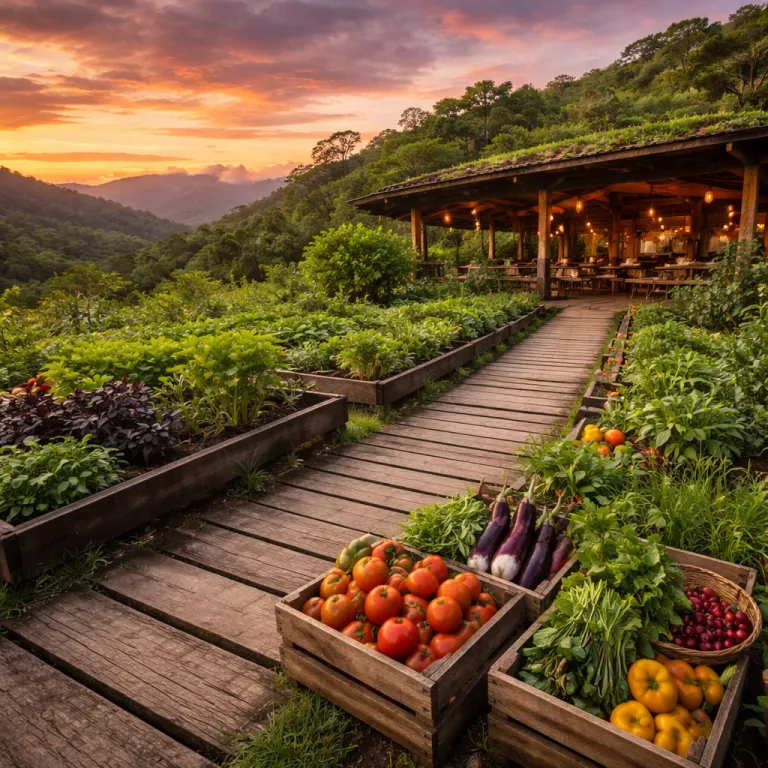
Why costa rica farm to table luxury lives far from san jose
Costa Rica’s most ambitious luxury culinary scene now sits far from city lights. In a small country where the cloud forest, the sloth and the waves are the amenity list, the serious chef increasingly chooses a remote farm over a downtown corner in San José. That is why the phrase costa rica farm to table luxury now usually means a finca on a ridge rather than a white tablecloth in the capital, and why high-end dining has followed the country’s eco travel routes into the hills and toward the coasts.
The structural reason is simple yet decisive for every chef and every traveler. Land in the central valley around San José is expensive, traffic is dense, and importing premium produce for fine dining erodes margins that even luxury restaurants struggle to defend. Move that same kitchen to an eco lodge or working farm and suddenly the farm table is ten metres from the kitchen door, the local ingredients are grown on site, and the chef controls both supply chain and story while guests see the landscape that shaped their meal.
Tourism also pulls talent away from the city toward the coasts and highlands. High spending guests in Guanacaste, the Osa Peninsula or Manuel Antonio will pay for tasting menus that showcase Costa Rican terroir when those menus are embedded in memorable eco travel experiences. For a hotel booking platform focused on costa rica farm to table luxury and similar sustainable stays, this shift means the most interesting dining experiences now sit inside villas, eco lodges and fincas rather than in the traditional restaurant rows of San José.
Three lodges where the cuisine alone justifies the booking
Origins Lodge in northern Costa Rica is one of the clearest expressions of costa rica farm to table luxury right now. Circular jungle villas look over a working farm where the kitchen team pulls herbs, vegetables and coffee cherries before service, then turns them into tasting menus that have drawn international culinary attention. As Origins’ culinary team has described in interviews, the goal is “to cook what the land gives us that day,” and you sit at a simple table while a private chef style brigade sends out plates that feel like a dialogue between forest, finca and fire, with each course framed by the valley and the sounds of the surrounding rainforest.
Over in the central valley, El Silencio Lodge runs Las Ventanas, a restaurant that treats its organic gardens as both pantry and philosophy. The menu moves between Costa Rican, Peruvian and Mediterranean influences, yet the constant is the use of local ingredients grown on the surrounding finca and sourced from nearby producers in Bajos del Toro. A typical plate might pair trout from highland streams with vegetables from the lodge’s own plots and coffee from nearby estates, and when you read the menu here, the most meaningful line is not the protein but the farm name, because that is where the real luxury culinary value sits and where the story of each dish quietly begins.
On the Pacific side, Kalon Surf Luxury Resort near Dominical and Rancho Cielo Alto above Uvita both show how a coastal villa can become a serious dining room. At Kalon Surf, all inclusive gourmet dining means a chef building menus around seasonal farm produce, while Rancho Cielo Alto leans into organic meals with sweeping ocean views that feel like a private chef experience without the formality of urban fine dining. For travelers comparing premium accommodations, these properties sit in the same conversation as Fortuna’s high end stays covered in this guide to premium accommodations and luxury stays for discerning travelers, where the emphasis is equally on sense of place and thoughtful sourcing.
How to read a costa rica farm to table luxury menu
When you sit down in a Costa Rican eco lodge dining room, the menu is your first audit tool. A serious costa rica farm to table luxury property will name its finca partners, specify whether the coffee is estate grown, and explain which vegetables come from on site gardens rather than generic suppliers. If you only see vague phrases like “fresh local ingredients” without any place names, you are probably paying for marketing rather than for a true farm table experience rooted in specific valleys, rivers and hillsides.
Look for geographic anchors that tie dishes to real landscapes. References to Bajos del Toro, the central valley, Guanacaste ranches or the Osa Peninsula coastline usually signal direct relationships with producers, especially when the finca name appears beside the ingredient. A menu that mentions Finca Madre Tierra, Finca Luna Nueva, Finca Rosa Blanca or similar farms is telling you that the chef has walked those fields and built the dining experience around them, turning geography into flavour rather than treating place as a decorative label.
Certification language matters too, but it is only a starting point. Costa Rica’s sustainability labels, including CST, now function more as a baseline than a differentiator, which is why we argue that carbon neutral is the floor, not the ceiling when choosing where to stay. For a business traveler extending time in San José or Manuel Antonio, the real signal is a menu that reads like a map of farms, rivers and micro regions rather than a list of imported luxuries that could have been plated in any anonymous city hotel.
From san jose boardroom to finca table: a two stop itinerary
Many executives land in San José for meetings, then quietly slip out on red eye flights without tasting the country’s most interesting food. A smarter approach is to treat the capital as a staging point, then pivot into a two stop costa rica farm to table luxury itinerary that turns a work trip into a focused culinary experience. The key is to minimise transfer time while maximising nights where the farm, the villa and the dining room sit on the same ridge and the chef can literally point to the hillside that supplied your plate.
Start with a night or two at a property in the central valley that runs its own finca and gardens. From San José airport, you can reach highland eco lodges near Bajos del Toro or the slopes above the valley in under two hours, trading boardroom air conditioning for cloud forest mist and a chef who knows every row of lettuce by name. Here, breakfast coffee often comes from the same hillside, and dinner might feature trout from nearby streams, vegetables from Madre Tierra style plots and herbs cut minutes before service, turning even a short stay into a compact immersion in Costa Rican terroir.
From there, drop down to the Pacific for a contrasting take on costa rica farm to table luxury. In Guanacaste, a tree house style villa at a five star resort can pair a private chef experience with serious wine service, as seen in our honest read on the tree house villa at Four Seasons Papagayo. Further south toward Manuel Antonio or the Osa Peninsula, smaller eco lodges and fincas lean into open air kitchens, wood fired cooking and tasting menus that track the tides as closely as the planting calendar, giving you a second, coastal chapter to your culinary itinerary.
What separates true finca cuisine from eco marketing
Not every property using the language of eco lodges and farm table dining is delivering genuine costa rica farm to table luxury. The most credible places treat the farm as the heart of the operation, not as a photo backdrop, and they can walk you from the villa to the rows of lettuce, the coffee bushes and the compost system in minutes. At Hacienda Okhra, Farm to Table Costa Rica in Monteverde and The Retreat Costa Rica, that walk is part of the narrative, supported by culinary classes, garden tours and menus that change with the harvest rather than staying fixed for months.
Data backs the shift toward this kind of luxury culinary travel. According to Costa Rica’s agriculture ministry (Ministerio de Agricultura y Ganadería, MAG), certified organic land still represents a modest share of national farmland, yet tourism already contributes a substantial portion of national GDP, which means every traveler choosing a finca centred stay nudges the system toward better practices. As one local explanation puts it with useful clarity, “What is farm-to-table dining? A dining approach where ingredients are sourced directly from local farms,” a definition that aligns closely with how these lodges actually operate.
For you as a guest, the test is refreshingly practical. Ask which finca supplied tonight’s vegetables, whether the coffee is roasted on site, and how often the chef visits producers in Bajos del Toro, the central valley or Guanacaste; a confident team will answer with names, not adjectives. When those answers line up with what you see on the plate and in the fields, you are no longer just booking a room in Costa Rica, you are buying into a living, working landscape where luxury, farm and table finally share the same coordinates.
FAQ
What is farm to table dining in Costa Rica ?
Farm to table dining in Costa Rica means that most ingredients on your plate come directly from nearby farms, gardens or on site fincas rather than from large distributors. In practice, this often involves eco lodges and luxury hotels running their own organic plots, coffee plantings and herb gardens to supply the kitchen. The approach supports local agriculture while giving guests fresher flavours and a clearer sense of place that reflects Costa Rica’s diverse microclimates.
Are costa rica farm to table luxury stays suitable for vegetarians and vegans ?
Many costa rica farm to table luxury properties are well suited to vegetarians and vegans because their menus already centre on seasonal produce. Kitchens that control their own gardens can easily design plant forward tasting menus using local ingredients such as roots, greens, fruits and grains. It is still wise to mention your preferences when booking so the chef can plan specific dishes for your stay and ensure that broths, sauces and desserts align with your dietary choices.
Do I need to book farm focused eco lodges in advance ?
Advance reservations are strongly recommended for eco lodges and fincas that specialise in farm to table dining. These properties often have limited room counts and small dining rooms, which helps maintain quality but reduces last minute availability. Booking early also allows you to secure specific experiences such as cooking classes, garden tours or private chef style dinners that may have very limited daily capacity.
How can I tell if a hotel restaurant really uses local ingredients ?
The most reliable sign is a menu that names specific farms, regions and producers rather than using only generic terms like “fresh” or “local”. Staff should be able to explain where key ingredients come from, whether that is a finca in Bajos del Toro, a coffee estate in the central valley or a coastal supplier near Manuel Antonio. If answers stay vague, the sourcing is probably more conventional than the marketing suggests, and you may want to direct your spending toward more transparent kitchens.
Is farm to table dining more expensive than regular hotel dining in Costa Rica ?
Prices at costa rica farm to table luxury properties can be higher than at standard hotels because you are paying for small scale production, on site labour and more intensive sourcing. However, many guests find the value compelling since the experience includes education, landscape and flavour, not just calories on a plate. When meals are bundled into nightly rates at eco lodges, the overall cost often compares favourably with separate fine dining in urban areas, especially once you factor in transfers and time.