Considering Limón, Costa Rica for a premium stay? Learn how Limón Province compares with other regions, what “luxury” means on the Caribbean coast, how hotels handle taxes and fees, and whether city, coastal or riverside lodges suit your trip best.
Is Limón, Costa Rica a good place for a premium stay?
Caribbean humidity hits first on the malecón in Limón city, a mix of sea salt, diesel and fried plantain drifting in from Avenida 2. This is not the polished resort strip of Guanacaste; Limón Province in Costa Rica is rougher at the edges, greener, slower, and far more Afro-Caribbean in character. For travelers who equate luxury with silence, space and nature rather than chandeliers, Limón can be exactly the right choice for a premium, boutique-style stay.
The province of Limón stretches from the Río San Juan border in the north down to the Panamanian frontier, with the city of Limón roughly in the middle of the coast. When people search for a “hotel Limón Costa Rica” or “hotels Limón Province”, they often mean the wider Caribbean region, not just the port city itself. That distinction matters, because the experience of a night in town versus a night in the jungle or by a quiet beach is radically different, and it shapes which hotels in Limón will feel like the best fit.
Urban hotels in Limón city work well for one practical night before or after a domestic flight or a transfer to the interior. The more romantic, riverside and rainforest lodges sit inland or along the quieter stretches of coast, where you wake to howler monkeys rather than truck horns. If you want the best of Costa Rica’s Caribbean side – wildlife, culture, and a slower rhythm – Limón Province is a strong, if slightly more adventurous, choice, especially when you combine it with time elsewhere in Costa Rica.
Choosing your base in Limón Province
Caribbean Costa Rica is linear. One road, Route 32, drops from the Central Valley through the Braulio Carrillo cloud forest and spills you out near Limón city, from where the coastal road fans north and south. Driving from San José to Limón typically takes around three to four hours in normal conditions, and where you decide to sleep along this axis will shape your entire stay. A hotel in Limón city offers convenience; a lodge deeper in the province offers immersion and a more obviously romantic setting.
For travelers focused on logistics – early ferries, domestic flights, or overland transfers – staying close to the port and main avenues makes sense. You trade beach access and sweeping sea views for quick departures and easy access to services. These urban hotels in Limón tend to be straightforward, functional places to spend a night, not destinations in themselves, and most are easily reached without a 4x4 vehicle or boat transfers.
Move away from the city and the mood changes. Along the coast and inland rivers, smaller properties lean into nature, with rooms opening to gardens, forest or the Caribbean Sea. Some offer spa-style wellness areas, simple but atmospheric treatment rooms, and private decks where you can listen to the rain. If your priority is to explore the province – from turtle beaches to cacao farms – choose a base that minimizes daily driving rather than one that simply looks central on a map, and confirm whether access involves boat transfers, rougher roads or seasonal 4x4 requirements.
What “luxury” means on Costa Rica’s Caribbean coast
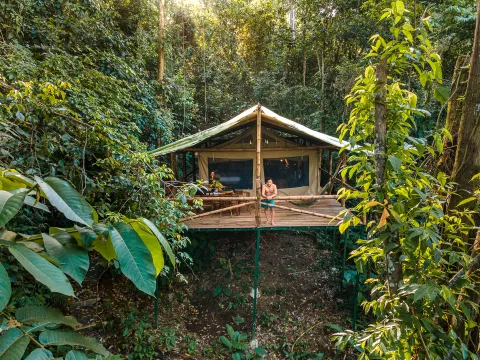
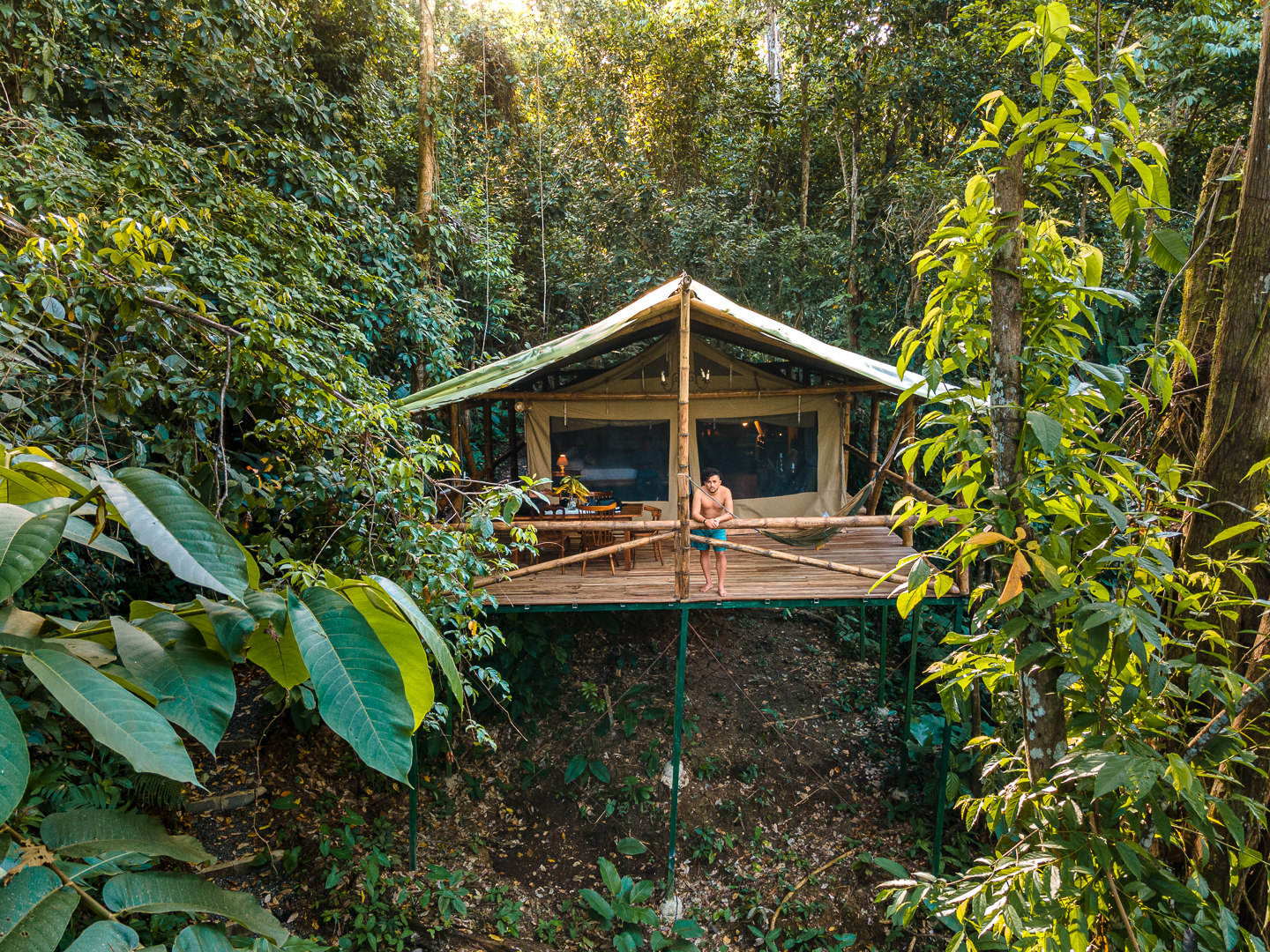
On the Caribbean side of Costa Rica, luxury is rarely about marble lobbies. It is the sound of the surf at night, the absence of crowds, the ability to walk barefoot from your room to the sand. Many of the best hotels in Limón Province are low-rise, wood-and-glass structures tucked into gardens, with ceiling fans, mosquito nets and open-air bathrooms rather than heavy air conditioning and glossy corridors, and the most desirable rooms often have a private terrace or balcony.
Service tends to be informal but warm, with staff who know the tides, the nearest trailhead and which fruit is in season. A few properties offer spa treatments – think local cacao scrubs or coconut oil massages – but you will not find a dense cluster of large, international spa complexes here. The most memorable “treatment” is often a late-afternoon swim followed by a quiet drink on a private terrace, watching the sky turn pink over the water or the forest canopy.
Travelers used to urban five-star hotels should recalibrate expectations. In Limón Province, the real luxury is space, wildlife and time. A riverside lodge where you fall asleep to frogs and wake to toucans can feel far more indulgent than a city tower. If you value polished formality over atmosphere, the Caribbean may feel too relaxed; if you value authenticity and nature, it will feel exactly right, especially in boutique hotels that keep guest numbers low.
Understanding locations: city, coast, and riverside lodges
Standing on Calle 3 in Limón city, with cargo cranes in the distance and reggae spilling from a corner bar, you are in the working heart of the province. Hotels here are urban by nature, with easy access to the port, banks and basic services. They suit travelers who need a simple, efficient stopover and do not mind a more functional setting, and they are usually the most practical choice for a single night before or after a long transfer.
Along the coast, the atmosphere softens. Properties sit closer to the sand, often separated from the beach by nothing more than a strip of palm trees and a narrow path. Rooms may offer partial or full sea views, with hammocks on verandas and outdoor showers to rinse off salt. These coastal hotels in Limón Province are better for longer stays, especially if you want to alternate between reading, swimming and short excursions to nearby national parks and wildlife refuges, and they tend to feel more overtly romantic.
Inland, riverside lodges along jungle waterways offer a different kind of seclusion. Access can involve a combination of road and boat, which adds to the sense of arrival. Here, the “view” is not the horizon line of the Caribbean but the slow movement of water, the flash of a kingfisher, the dense green of the forest. These lodges tend to attract travelers seeking a romantic, nature-focused escape rather than a classic beach holiday, and some recommend 4x4 access during the wettest months, particularly on unpaved approach roads.
What to check before booking a hotel in Limón
Room categories in Limón Province can vary more than in other parts of Costa Rica. The difference between a standard room and a higher category might be a private terrace, a better view, or direct access to a garden path leading to the beach. When you compare options, look carefully at the exact room type, not just the general hotel description, especially if you care about privacy, outdoor space or a specific sea or river view.
Taxes and mandatory charges are another point to verify. In Costa Rica, hotels typically add national taxes and sometimes service charges on top of the base rate, so the final amount per night can be higher than the first figure you see. Some properties in Limón Province also apply specific resort or facility fees; always check how taxes and fees are presented so you can compare like with like and understand the real nightly cost, including any local taxes fees that appear only at the last booking step.
Location details deserve the same scrutiny. Distances on the Caribbean coast can be deceptive, and a hotel that appears close to a town on a map may still require a long drive on a slower road. Confirm whether you will need a 4x4 vehicle, how long transfers realistically take from San José or the nearest regional airport, and whether the property’s setting matches your priorities – quiet and remote, or closer to restaurants and local nightlife – before you lock in a nonrefundable rate.
Who Limón Province suits best – and who should look elsewhere
Travelers who fall in love with Limón Province tend to share a few traits. They are curious about Afro-Caribbean culture, comfortable with a more relaxed pace of service, and genuinely interested in nature. If the idea of a romantic night in a simple but well-designed room, with the sound of rain on a tin roof and the smell of wet earth, appeals to you, this coast will feel like a privilege rather than a compromise, and the smaller boutique hotels will likely feel like the best part of your Costa Rica itinerary.
Those who prefer a highly structured resort environment, with multiple restaurants, extensive spa menus and a long list of organized activities on site, may be happier in other parts of Costa Rica. Limón’s hotels are generally smaller, more personal, and more dependent on the surrounding landscape than on built amenities. The trade-off is clear: fewer facilities, more character, and a stronger sense of place than you might find in a large international resort.
For a first trip to Costa Rica, Limón Province works particularly well as part of a wider itinerary. Combine a few nights in the Caribbean lowlands with time in the Central Valley or the Pacific coast, and you will understand why many travelers quietly rank this province among the country’s best-kept secrets. If you are willing to embrace a little unpredictability in exchange for atmosphere, Limón is a strong choice, especially for couples looking for a romantic, nature-led escape.
FAQ
Is Limón city itself a good place to stay, or should I look elsewhere in the province?
Limón city is practical rather than idyllic, making it a sensible base for one night before or after transfers, but not the most atmospheric spot for a longer Caribbean holiday. If you want beaches, nature and a more romantic setting, you are usually better off choosing a coastal or riverside hotel elsewhere in Limón Province. Use the city for logistics; use the wider province for slow days, scenery and the kind of boutique lodges that define the Caribbean side of Costa Rica.
What should I know about taxes and fees when booking a hotel in Limón Province?
Hotel rates in Costa Rica are often shown before national taxes and any additional charges, so the final price per night can be higher than the initial figure. When you compare hotels in Limón, check whether the quoted rate includes taxes and mandatory fees or whether these are added at the end of the booking process. This helps you compare properties accurately, understand the real cost of each night, and avoid surprises at checkout when local taxes fees and service charges are applied.
Is Limón Province suitable for a romantic trip?
Limón Province can be very well suited to a romantic escape, especially if you choose a smaller property with privacy and strong natural surroundings. Coastal and riverside lodges often offer quiet rooms, terraces or verandas where you can sit outside at night and listen to the sea or the forest. Couples who value atmosphere and nature over formal luxury will find the province particularly appealing, and many consider it one of the best regions in Costa Rica for low-key, nature-based romance.
How many nights should I plan in Limón as part of a Costa Rica itinerary?
For most travelers, two to four nights in Limón Province works well within a broader Costa Rica trip. Two nights allow you to arrive, settle in and take at least one full day to explore the area, while three or four nights give you time for both excursions and unhurried downtime. If you are combining the Caribbean with other regions, this duration keeps the balance between travel days and actual rest, and still leaves room for a night or two on the Pacific coast.
Are spa and wellness facilities common in Limón hotels?
Dedicated spa complexes are less common in Limón Province than in some Pacific coast destinations, but a number of properties offer simple wellness services. You may find massage rooms, small treatment areas and outdoor spaces designed for relaxation rather than full-scale spa circuits. If spa access is important to you, check the specific facilities of each hotel rather than assuming they are standard across the province, and confirm whether treatments must be reserved in advance during peak seasons.