Why the right naturalist defines your Costa Rica eco lodge stay
A Costa Rica eco lodge naturalist tour is not about ticking activities. It is about reading the rainforest like a living text, where every call, shadow, and scent signals behavior in motion. When you book a lodge in Costa Rica, the most valuable amenity is often the quiet naturalist who walks into the forest with you at first light.
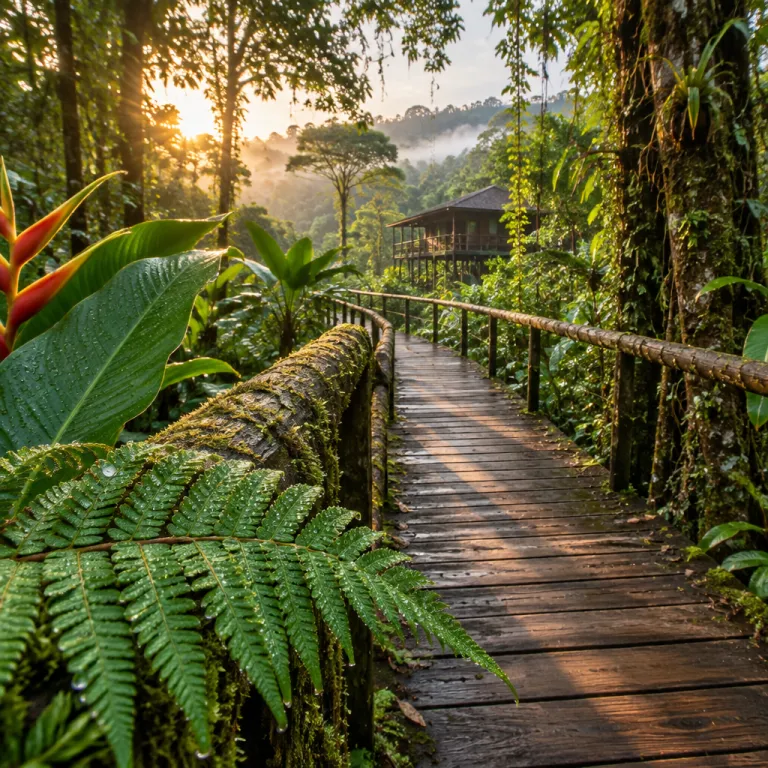
Most travelers arrive in Costa Rica dreaming of wildlife and rainforest drama. Yet the real Costa Rican spectacle happens in that cool selva hush between 5:30 and 7:00, when cloud hangs low and the forest is still negotiating the day. A seasoned naturalist in a remote lodge understands this rhythm and times each outing so wildlife viewing feels unhurried, intimate, and precise.
Think of a naturalist as your translator for nature rather than a generic guide. A guide might point out a toucan, while a trained naturalist in a selva verde landscape explains why that bird is feeding higher than usual and what that means for predators nearby. On a focused rainforest walk from a Costa Rica eco lodge, this species-level reading of behavior turns a simple trail into a masterclass in conservation and forest dynamics.
For solo travelers, this difference is amplified because you are not buffered by group chatter. A private dawn walk in a cloud forest or along tropical gardens near a national park lets you ask obsessive questions and linger over details. When you choose where to stay in Costa Rica, prioritize properties whose descriptions highlight naturalist guides and field experiences, not just spa menus and pool photos.
Where dawn walks are the headline act, not a side activity
Across Central America, many properties advertise an eco ethos, yet only a handful in Costa Rica truly build the day around the forest. Encantada Ocean Cottages near Playa Esterillos and lodges in Drake Bay, close to the Osa Peninsula, structure their Costa Rica eco lodge naturalist tour programs so guests can reach the edge of Corcovado National Park at first light. Here, naturalist guides use binoculars and field guides to track wildlife along the forest fringe, turning each trip into a moving seminar on conservation.
On the Pacuare River, Rios Lodge (formerly Rios Tropicales Lodge) leans into its rainforest isolation with pre-breakfast walks that trace the riverbank before rafting activities begin. This lodge offers a rare combination of whitewater travel and slow time in the bosque del río corridor, where you can watch cloud lift off the canopy while macaws commute overhead. The property’s photo gallery underplays the drama; the real spectacle is the quiet, when your guide stops mid-sentence because a distant branch movement signals a passing tayra.
Laguna del Lagarto Lodge in Boca Tapada is another alternate lodge where the dawn walk is the main event, not a warm-up. Surrounded by wetlands, forest, and tropical gardens, it is a serious base for wildlife viewing, especially for birders chasing Costa Rica’s share of hundreds of bird species. If you are pairing this region with a stay near Arenal Volcano or a waterfall-focused retreat, consider combining it with a property from this curated guide to waterfalls and luxury stays where water meets five star comfort.
In the south, The Zancudo Lodge and Corcovado Wilderness Lodge both sit within striking distance of the Osa Peninsula’s famed biodiversity. Here, a Costa Rica eco lodge naturalist tour often includes boat-based wildlife viewing at sunrise, when dolphins and seabirds are most active. The best itineraries weave in both forest and marine ecosystems, underlining why sustainable tourism in this corner of Costa Rica is inseparable from serious conservation work.
When the “eco” label is just décor, and how to spot it
Not every property using the word eco in Costa Rica earns it through its naturalist program. Some lodges near San José or along the main routes to Arenal Volcano and Monteverde cloud forests schedule a single, crowded nature walk at 9:00, long after the forest has quieted. In these cases, the Costa Rica eco lodge naturalist tour becomes a marketing line, while the real focus is the pool bar and generic activities.
Signs of a perfunctory program are easy to read once you know where to look. If a lodge offers only one fixed trail, no alternate routes and no flexibility for weather or wildlife behavior, you are essentially joining a moving lecture, not a responsive forest experience. Ask whether the same loop is used daily, or whether naturalist guides vary routes through different forest types, such as secondary selva, riverine corridors, and any nearby cloud forest fragments.
Another red flag is a high ratio of guests to guide, especially for solo travelers who value quiet observation. When twenty people follow one guide, wildlife viewing suffers and subtle behavior is missed, particularly in dense rainforest where sound carries. Families may accept this compromise, but if you are traveling alone or with one partner, you will gain more from properties that cap groups at six and offer private or semi-private dawn departures, similar to those highlighted in this guide to planning a refined Costa Rica escape with young children.
Finally, interrogate how the lodge talks about conservation and sustainable tourism beyond vague mission statements. Do they support local communities, partner with Costa Rica–based organizations, and limit trail building in sensitive forest zones? Or is the eco language confined to recycled menus and a token tree-planting activity that never intersects with the serious work of habitat protection in Costa Rica and the wider Central America region.
How to book a lodge where naturalists lead, not follow
When you start planning a Costa Rica eco lodge naturalist tour, treat the booking call like an interview. Ask direct questions about the naturalist guides, their training, and how long they have been reading that specific forest. A property that values expertise will answer with names, years on site, and favorite wildlife encounters, not just generic enthusiasm about nature.
Clarify the ratio of guests to guide at peak times and whether private or small-group dawn walks are available. Inquire how many different trails exist in the surrounding rainforest or cloud forests and whether routes change according to season, tide, or recent wildlife sightings. A serious lodge in Costa Rica will often mention specific habitats, such as riverine forest near Sarapiquí, lowland selva near Osa, or mid-elevation cloud forest around Monteverde.
Ask how the lodge integrates conservation into daily operations, not just into a once-a-week talk. Do they collaborate with national park authorities, fund research, or host visiting biologists who share data on wildlife movements? Properties like those featured in our guide to high end hotels and exclusive stays across the peninsula often have clear, measurable commitments to sustainable tourism.
Finally, request access to a recent photo gallery of wildlife taken on site, ideally by guides rather than marketing teams. This gives you a realistic sense of what a Costa Rica eco lodge naturalist tour might reveal in that specific forest, from frogs and insects to sloths and raptors. Remember that “What is an eco-lodge?”, “Are naturalist tours suitable for children?”, and “Do I need vaccinations to visit Costa Rica?” are questions that many travelers ask, and the most trustworthy lodges answer them with the same clarity they bring to a dawn walk.
Fieldcraft for solo travelers: vocabulary, regions and rhythm
Arriving with a small field vocabulary changes how you experience any Costa Rica eco lodge naturalist tour. Knowing the difference between lowland rainforest, mid-elevation cloud forest, and coastal mangrove lets you follow the guide’s logic as they choose routes. In Costa Rica, where forest still covers a significant share of the land, this nuance matters more than any spa amenity.
Learn a few regional names before you travel, because they appear in lodge descriptions and on trail maps. Sarapiquí signals riverine forest and rich birdlife, while Selva Verde evokes a specific area of protected selva and lodge culture along the Río Sarapiquí. The Osa Peninsula, often called one of the most biologically intense places on Earth, combines rainforest, beaches, and mangroves in a compact geography that rewards slow, repeated walks with the same naturalist.
Understand that cloud forests around Monteverde and other verde lodge style properties behave differently from lowland rainforest near the Pacific. In the cloud, wildlife activity often peaks in shifting windows as mist lifts and returns, so guides may adjust timing more dynamically. Along the coast near places like Zancudo or the route toward Golfito, marine and terrestrial rhythms intersect, and a single trip might move from forest trail to boat-based wildlife viewing within hours.
For solo travelers, the intimacy of a small group or private walk is worth paying for, especially in remote corners of Costa Rica far from San José or tourist hubs like Jacó and Tamarindo. You are buying not just access to wildlife, but access to a human mind that has spent years decoding that specific forest. In a region where increased interest in sustainable tourism has driven rapid growth in eco-style lodges, choosing the right naturalist is the most reliable way to ensure your Costa Rica eco lodge naturalist tour feels anchored in real conservation, not just in marketing language about nature and pura vida.
FAQ
What is the difference between a naturalist and a regular guide in Costa Rica?
A regular guide in Costa Rica may focus on logistics, safety, and basic identification of animals and plants. A trained naturalist, by contrast, interprets behavior, habitat, and ecological relationships, explaining why wildlife appears where and when it does. On a Costa Rica eco lodge naturalist tour, this deeper reading of the forest turns a simple walk into an educational experience grounded in conservation.
Are naturalist led tours suitable for children and families?
Many naturalist-led tours in Costa Rica are family friendly, especially at lodges that design shorter rainforest walks near the main buildings. Guides often adapt language and pace for younger guests, using games and simple field vocabulary to keep attention. Parents usually find that children remember the sounds, smells, and stories long after the trip ends.
Do I need special gear for a Costa Rica eco lodge naturalist tour?
You do not need technical expedition equipment, but a few items make a big difference. Pack light, quick-drying clothing, a good pair of closed shoes, insect repellent, and eco-friendly sunscreen for river or coastal segments. Binoculars are invaluable for wildlife viewing in rainforest and cloud forest settings, and many lodges can provide them if you prefer to travel light.
When is the best time of day for wildlife viewing with a naturalist?
Across Costa Rica, dawn and late afternoon are consistently the best windows for wildlife activity. Cooler temperatures and softer light encourage animals to move, feed, and vocalize, making it easier for naturalists to locate them. Booking a Costa Rica eco lodge naturalist tour that departs at first light usually yields the most rewarding sightings, especially for birds and mammals.
How far in advance should I book a naturalist focused lodge in Costa Rica?
Year-round availability is common, but the best naturalist guides and the most requested rooms at remote lodges often sell out early. Booking several months ahead is wise if you are targeting peak wildlife seasons or specific regions like the Osa Peninsula or Monteverde cloud forests. This lead time also allows you to ask detailed questions about conservation practices, activities, and guide ratios before committing to a particular property.