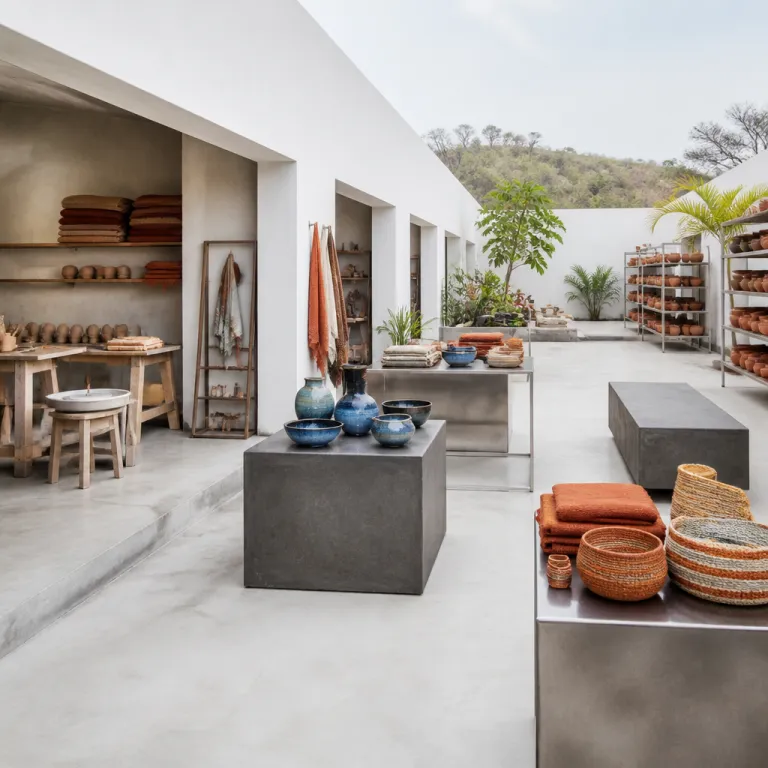
Why Costa Rica’s luxury hotel platforms now spotlight local artisans
Costa Rica’s most refined hotel booking platforms increasingly highlight local artisans. On a curated, editorial-style luxury website, you will now see handcrafted ceramics, woven textiles, and gold filigree presented alongside suites and villas. This shift reflects a broader movement in high-end travel, where meaningful cultural immersion matters as much as infinity pools.
Guests booking premium hotels in San José, Papagayo, or the Osa Peninsula want more than polished service. They look for a storytelling-driven booking experience that connects them with the country’s creative communities, from Bribri basket makers to contemporary painters in Escazú. Leading platforms respond by integrating artisan stories into property descriptions, photo galleries, and pre-arrival concierge notes, often with image alt text such as “Bribri artisan weaving basket in Talamanca” or “hand-thrown Chorotega clay lamp in Papagayo suite”.
For travelers, this means the booking journey already feels like the first step into Costa Rican culture. A carefully designed, magazine-inspired interface can guide you from room categories to curated craft workshops in just a few clicks. The result is a more intentional stay, where each reservation supports both hospitality excellence and local livelihoods, and where captions and metadata clearly explain which communities benefit.
How to choose a luxury hotel that genuinely supports artisans
Selecting a luxury hotel in Costa Rica that truly supports artisans requires looking beyond glossy photos. A serious, impact-focused booking site will show concrete partnerships, such as named cooperatives from Sarchí or indigenous groups from Talamanca. When these collaborations are visible and specific, you can better judge the hotel’s real commitment instead of relying on vague sustainability claims.
Start by reading room and suite descriptions with a critical eye. If a listing on a curated, narrative-led platform mentions hand-carved headboards, check whether it credits the woodworking family or workshop that produced them. Genuine initiatives usually include short biographies, origin regions, and sometimes even fair-trade certifications; for example, a listing might note that a rocking chair was made by the López family in Sarchí and priced at around US$180 if you wish to purchase a similar piece.
Next, examine on-site experiences promoted through the booking engine. A hotel that uses a content-rich, experience-first approach will often feature bookable activities such as pottery classes in Guanacaste, cacao rituals with Bribri hosts, or jewelry-making sessions using recycled silver. These experiences should be operated by artisans themselves, not just by hotel staff imitating traditional crafts, and clear pricing ranges (for instance, US$40–70 per person for a small-group workshop) help signal professional, fairly compensated collaborations.
Inside the rooms: artisan made design details that matter
Once you arrive, the most memorable luxury often lies in the details. Many Costa Rican premium hotels now use a curated design approach to create interiors that feel like living galleries of local craftsmanship. Instead of generic décor, you might find Chorotega clay lamps, hand-loomed bed runners, and framed prints from emerging photographers, each described in room guides with concise captions and alt text for digital galleries.
High-end properties in regions like Arenal or Manuel Antonio increasingly commission custom pieces. Through a collaborative design process, interior designers work directly with artisans to adapt traditional motifs to contemporary spaces, such as minimalist vases with pre-Columbian patterns or sleek rocking chairs made from sustainably harvested teak. This elevates the guest experience while preserving cultural techniques that might otherwise fade; for instance, a Manuel Antonio boutique hotel might quote a local ceramicist explaining how a 30-piece commission allowed her to train two apprentices.
When browsing photos on a booking website, pay attention to these elements. A platform that follows a transparent sourcing standard will often tag or caption items, indicating which cooperative or artisan created them. This transparency allows you to choose stays where your nightly rate supports real creative work, not just imported décor, and where visual search tools or filters can highlight rooms featuring specific artisan-made design details.
Culinary collaborations: when chefs and artisans share the same stage
Gastronomy has become a powerful bridge between luxury hospitality and local artisans. Many Costa Rican chefs working in premium hotels now collaborate with ceramicists, woodworkers, and textile makers through a rotating calendar of special events. The table becomes a curated stage, where every plate, bowl, and centerpiece tells a regional story and is often credited on tasting menus or in digital restaurant profiles.
In coastal resorts on the Nicoya Peninsula, for example, tasting menus might be served on hand-thrown plates from a Guanacaste studio. A hotel using a place-based content strategy will highlight these collaborations in its restaurant descriptions, noting how the ceramics echo the colors of nearby mangroves or volcanic sands. This narrative deepens your sense of place while you dine on line-caught snapper or heirloom corn tortillas, and sample pairings that might cost US$90–150 per person depending on the season.
To explore this angle in more depth, look for editorial-style content on your chosen booking platform. Some Costa Rica–focused sites now publish chef interviews that reference artisan partners, and detailed features on luxury and premium hotel booking websites through chef interviews are frequently showcased on specialized hospitality blogs and industry magazines. When a platform applies a storytelling editorial framework, these stories help you choose hotels where both the kitchen and the craft studio share the spotlight and where artisan collaborators are quoted directly about their role.
Booking with impact: using digital tools to support artisan communities
Responsible travelers increasingly want to see their spending create measurable local benefits. A sophisticated, impact-tracking booking system can make this impact visible by tagging rooms, packages, and experiences that channel revenue to artisan groups. Clear labels such as “supports Boruca mask makers” or “includes visit to Sarchí workshop” help you align choices with your values and can be reinforced with icons, color codes, and concise tooltips.
Some platforms now integrate optional add-ons during the reservation flow. Within a responsible travel framework, you might be invited to pre-purchase an artisan welcome basket, sponsor a skills-training session, or reserve a private studio visit in San José’s Barrio Amón. These options transform a standard booking into a micro-investment in cultural preservation and economic resilience, and transparent pricing (for example, US$25 for a small basket or US$120 for a private visit) clarifies the scale of your contribution.
Transparency remains essential for trust. Look for booking websites that publish impact reports or at least concise summaries explaining how artisan-related revenue is distributed, ideally using clear, data-led presentation that is easy to read. When platforms share numbers, names, and locations, you can book your luxury stay knowing exactly who benefits beyond the hotel’s owners, and you can compare year-on-year figures to see whether partnerships are growing.
Planning your itinerary around artisans: from city galleries to rural workshops
Luxury in Costa Rica does not end at the hotel gate. Travelers using a craft-centered planning approach often design itineraries that weave together high-end stays with visits to artisan hubs across the country. This creates a rhythm where spa mornings and poolside afternoons alternate with studio tours and market visits, all mapped out in digital itineraries that include photos, alt text, and brief artisan profiles.
In San José, you might pair a premium hotel near La Sabana with guided walks through contemporary galleries and design shops. A platform structured around curated cultural content can suggest specific routes, such as combining a coffee tasting with a stop at a leather workshop or a printmaking studio. Outside the capital, curated excursions to Guaitil for Chorotega pottery or to Boruca communities for mask carving can be booked as part of multi-night packages, with approximate prices and travel times listed upfront.
When evaluating these offers online, examine how detailed the descriptions are. A serious, detail-oriented site will mention travel times in kilometers, group sizes, language options, and accessibility considerations, allowing you to plan realistically. This level of precision ensures that your artisan-focused experiences feel as polished and reliable as the luxury suites you return to each evening, and that you can filter options by budget, mobility needs, or preferred art forms.
Key figures on Costa Rica luxury travel and artisan engagement
- The Costa Rican Tourism Board (ICT) reported in its recent “Perfil del Turista que Visita Costa Rica” that more than 60% of international visitors cite culture and local experiences as a primary motivation for travel, underscoring the value of artisan-focused hotel offerings; this figure is summarized in ICT’s publicly available tourism profiles and executive briefs.
- According to the World Travel & Tourism Council’s “Economic Impact 2023 Costa Rica” report, travel and tourism contribute over 13% of Costa Rica’s GDP, which means even small shifts toward artisan partnerships on luxury platforms can influence thousands of livelihoods nationwide; the WTTC report highlights both direct and indirect employment supported by the sector.
- UNESCO and national cultural agencies estimate that Costa Rica hosts several hundred active artisan cooperatives, with concentrations in regions such as Sarchí, Guaitil, and Boruca territories, offering rich potential for structured hotel collaborations; these estimates appear in cultural heritage inventories and creative economy assessments.
- Surveys of high-end travelers in Latin America, cited in regional luxury travel barometers and hospitality benchmarking studies, show that guests are willing to pay up to 20% more for stays that include verifiable community and cultural benefits, a premium that can be channeled through transparent, impact-labeled booking features and clearly documented revenue-sharing models.
FAQ about luxury hotel bookings and local artisans in Costa Rica
How can I tell if a luxury hotel in Costa Rica truly works with local artisans ?
Look for specific names of cooperatives, regions, and individual makers in room descriptions, restaurant notes, and experience listings, rather than vague references to “local décor”. Serious platforms often follow a clear, credit-based style of content, where artisan partners are clearly acknowledged and sometimes linked to short biographies or impact summaries. If in doubt, contact the hotel concierge and ask which items on property were commissioned locally, how artisans are compensated, and whether any formal agreements or certifications support those claims.
Are artisan experiences suitable for families staying at premium resorts ?
Many artisan-led activities in Costa Rica are designed with families in mind, including simple pottery workshops, mask-painting sessions, and weaving demonstrations. When a booking site uses a structured, guest-friendly layout, it usually labels experiences by age suitability and duration, making it easier to choose options for children. Always check group size limits and safety guidelines, especially for activities involving tools, dyes, or rural travel, and confirm whether private family sessions are available at a slightly higher rate.
Will staying at a luxury hotel that supports artisans significantly increase my trip cost ?
Room rates at artisan-engaged properties are often comparable to other premium hotels in the same area. The main difference appears in optional extras, such as private studio visits or commissioned pieces, which a transparent booking flow will present clearly with itemized pricing. You can control your budget by selecting shared workshops or on-site demonstrations instead of fully bespoke experiences, and by using filters to sort activities by price range before confirming your reservation.
Can I buy artisan pieces directly through the hotel booking website ?
Some advanced platforms now integrate curated online shops where you can reserve or pre-order artisan items before arrival. Within a well-structured e-commerce framework, these shops usually include detailed product descriptions, origin stories, and size information, so you know exactly what you are purchasing. If online purchase is not available, many concierges can arrange shipping from the hotel’s on-site gallery or from the artisan’s studio, and can provide approximate shipping costs and delivery times in advance.
What should I ask a concierge if I want a deeply artisan focused itinerary ?
Share your interests clearly, whether ceramics, textiles, jewelry, or indigenous art, and request visits to working studios rather than only tourist markets. A concierge working with a robust trip-planning system can then propose a sequence of experiences that match your schedule, fitness level, and preferred regions. Ask how your payments are divided between the hotel and artisans to ensure your spending supports creators fairly, and request a written outline or digital itinerary so you can review timings, prices, and accessibility details before confirming.