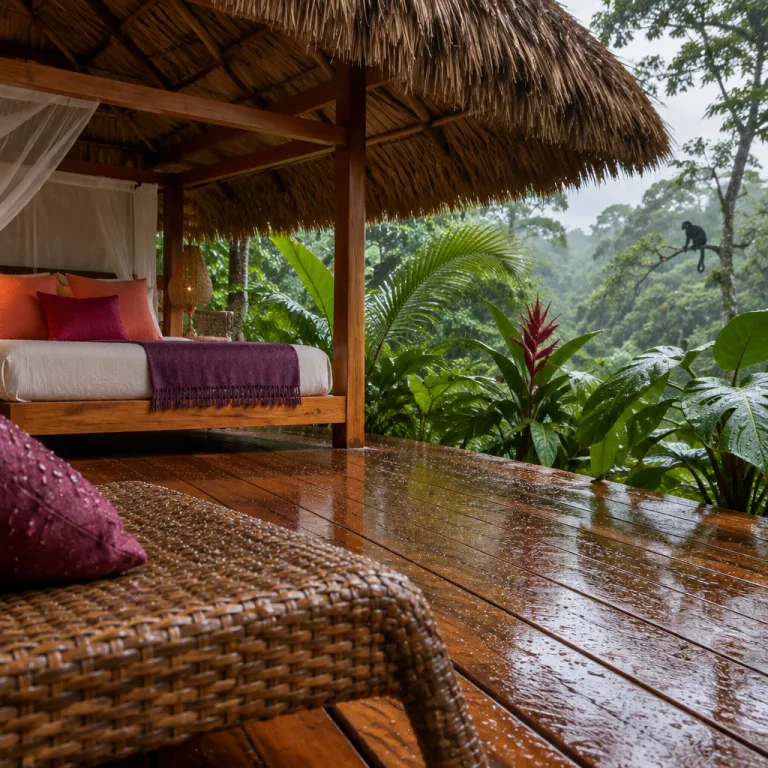
What “open air” really means in Costa Rica’s rainforest lodges
In Costa Rica, the phrase “open air” usually means a suite where at least one wall is replaced by the rainforest itself. Architects design these spaces so you feel the costa jungle pressing close, yet the room still functions as a true luxury hotel suite with privacy and comfort. When you read about a costa rica open air luxury suite design rain wildlife concept, you are booking into a deliberate architectural experiment, not a rustic cabin with gaps.
Across the country, from the Osa Peninsula to the volcanic highlands near San José, the best rainforest lodge properties use biophilic architecture to frame the landscape. You might sleep in villas with a three sided structure and a fourth side fully open to the canopy, or in elevated rooms with retractable glass panels that slide away to reveal uninterrupted views of the jungle and distant ocean. These hotels are designed so that the line between interior and exterior blurs, but the engineering behind that effortless feeling is anything but casual.
For couples planning a costa rica escape, the first step is to check how each property defines its open air rooms. Some hotels describe a standard balcony as open air, while a serious lodge will show floor plans, explain rooflines and specify how they manage rain, humidity and wildlife. When you start your booking, look for clear diagrams of the suite design and ask for a full review of how exposed the bed, bathroom and terrace actually are to the elements.
Rain, rooflines and the reality of sleeping through a storm
Rain shapes every serious costa rica open air luxury suite design rain wildlife project, because the country’s downpours are intense and often sudden. In the rainforest and near each national park, architects rely on sharply angled rooflines, deep overhangs and hidden gutters to throw water away from the rooms while keeping the views wide open. When you stand on a terrace during the rainy season, you should see sheets of water falling just beyond the line of the deck, not creeping back toward your luggage.
At high end properties such as Pacuare Lodge or Cielo Lodge above Golfo Dulce, the roof geometry is as carefully tuned as the interior décor. Long eaves extend several metres beyond the main structure, and the pitch of the roof channels water into quiet drainage systems so couples can still hear the jungle, not a metallic roar. Many villas add retractable wooden or glass panels that slide into place when a storm rolls in, allowing you to keep the room open to the forest during soft rain but sealed when the wind shifts direction.
Seasonality matters as much as architecture, especially for travelers choosing between the dry season and the wetter months around the season of November. During the dry season, open air rooms feel like effortless extensions of the deck, with ocean views or canopy vistas unobstructed by weather. In the rainy season, you will appreciate thoughtful details such as raised platforms, stone walkways between rooms and covered paths to the main lodge or restaurant, so you can move around the property without arriving at dinner soaked.
Monteverde’s cloud forest hotels, including refined hideaways like the Hidden Canopy Hotel, show how careful siting can soften the impact of storms. Set back from the most exposed ridgelines and wrapped in mature trees, these properties use the forest itself as a buffer, which makes an open air suite feel sheltered even when the wind is pushing mist across the national reserve. When you read a full review of any Costa Rican mountain hotel, pay attention to how guests describe sleep during heavy rain, because that is the most honest test of the design.
Humidity, airflow and when you actually need air conditioning
Humidity is the quiet variable in every costa rica open air luxury suite design rain wildlife conversation, because it affects sleep quality more than temperature. In lowland rainforest and jungle regions, architects use cross ventilation, high ceilings and clerestory openings to pull air through the rooms without closing off the views. The best lodge designs position beds to catch prevailing breezes, then add ceiling fans that move air gently rather than blasting it straight at your face.
On the Osa Peninsula and around Golfo Dulce, properties like Cielo Lodge and the more remote eco focused hotels rely on elevation as their first tool. Suites sit high above the ocean, where cooler air flows up the slopes at night, and the villas are oriented so that the main view also aligns with the natural wind corridor. When you check room descriptions, look for language about cross breezes, louvered panels and screened openings, not just a generic mention of fans.
Air conditioning still has a place, especially for couples who sleep warm or are visiting during the most humid weeks of the rainy season. Some Costa Rican hotels now offer hybrid rooms, where the bedroom can be closed and cooled while the living area remains open to the rainforest, which gives you control without losing the sensory experience. If you are sensitive to humidity, ask the property directly whether every room in your chosen category has air conditioning, because some lodge websites quietly reserve it for only a few suites.
For a deeper sense of how different jungle hotels handle climate, look at curated guides to luxury jungle lodges in Costa Rica that explain ventilation strategies in plain language. A thoughtful full review will mention whether linens feel damp in the morning, how quickly clothes dry on the terrace and whether the bathroom mirrors ever clear. Those small details tell you more about real world comfort than any marketing line about the pura vida lifestyle.
Wildlife, soundscapes and the 3 AM howler monkey question
Sharing space with wildlife is the defining thrill of any costa rica open air luxury suite design rain wildlife stay, but it also raises practical questions. In a well designed rainforest lodge, every opening is screened, every gap is sealed and food is never left exposed in the rooms, which keeps curious coatis and opportunistic insects outside where they belong. You may see a gecko on the bathroom ceiling or a tree frog on the terrace rail, yet the interior of the suite should remain clean, calm and surprisingly controlled.
Sound is another form of wildlife, especially when a troop of howler monkeys decides to vocalize before dawn. Architects and hoteliers use distance, vegetation and water features to shape that soundscape, planting dense foliage between villas and adding quiet streams or pools that create a softer acoustic layer. In coastal hotels with ocean views, the steady rush of waves often balances the sharper calls of birds and insects, turning what could be noise into a textured backdrop for sleep.
Protocols matter as much as design, and serious Costa Rican properties train their staff to respond calmly to wildlife encounters. If a coati wanders onto your deck or a snake appears near a path, the team will usually escort the animal away without drama, while reminding guests not to feed or touch anything. When you read full guest comments before booking, look for mentions of respectful wildlife management rather than staged animal interactions, because that signals a property that treats the national park level biodiversity around it as something to protect, not to exploit.
For couples, the key is aligning expectations before you arrive, especially if one partner is less comfortable with nature. Talk honestly about what it means to hear the jungle at full volume, to see insects outside the screens and to wake up with a view of the canopy instead of a city skyline. If that still feels exciting, then an open air suite in Costa Rica is probably the right kind of adventure for your next trip.
How to choose the right open-air suite and what to pack
Selecting the right costa rica open air luxury suite design rain wildlife stay starts with geography, because each region offers a different balance of climate and wildlife. Around San José and the central highlands, properties such as Finca Rosa Blanca sit at cooler elevations, where open air rooms feel crisp at night and the rainforest is more cloud forest than jungle. On the coasts, especially near each national park and beach, you trade cooler temperatures for ocean views, sea breezes and a more intense chorus of wildlife.
When comparing hotels, focus less on star ratings and more on the specifics of the rooms and villas. Ask whether the bed area is fully screened, how the bathroom is oriented to the view and whether there is a way to close at least part of the suite during heavy rain. A serious hotel in Costa Rica will answer these questions clearly, often sending photos or diagrams of your exact room category so you can check every detail before confirming your booking.
Packing for an open air stay is different from preparing for a conventional city hotel. Lightweight long sleeves and trousers help with both sun and insects, while a compact headlamp makes late night walks between the lodge and your room easier and safer. Quick drying fabrics, a small dry bag for electronics and a travel sized moisture wicking sleepwear set will make both the dry season and the wetter months around the season of November more comfortable.
It is also worth planning your wider itinerary around less obvious protected areas, not only the famous coastal reserves. For example, Tenorio Volcano and Río Celeste offer a quieter alternative to crowded coastal parks, and a detailed guide to this national park region can help you design a route that balances rainforest immersion with easier travel days. Wherever you go, aim for properties within a few hours of an international airport, so your final night is restful rather than rushed.
Booking strategies, timing and reading between the lines of hotel marketing
Smart timing can transform your costa rica open air luxury suite design rain wildlife experience from good to exceptional. Shoulder periods at the edges of the dry season often deliver a sweet spot of lush rainforest, manageable humidity and fewer guests, which makes it easier to secure the best rooms. During these windows, you can sometimes negotiate for specific villas or upgraded views, especially at independent properties that value direct relationships with repeat travelers.
When you start the booking process, go beyond the main photos and read full descriptions of each room type carefully. Look for floor plans that show how the suite opens to the environment, and check whether the property distinguishes between partial and fully open air designs. If a hotel in Costa Rica uses the same images for multiple categories, ask directly which photos match your exact room, because view, orientation and exposure to rain can vary dramatically within the same property.
Location relative to the nearest national park or beach also shapes your stay more than many websites admit. A lodge set just outside a protected area may offer similar wildlife and jungle density with fewer day visitors, while still providing easy access to trails and guided experiences. In coastal regions, properties perched above the ocean often feel more private and breezier than those directly on the sand, even if the walk to the water is slightly longer.
Finally, treat marketing language with a calm, analytical eye, especially when every property claims to be the best. Cross check guest comments about noise, privacy and wildlife with the hotel’s own promises, and pay attention to how management responds to critical feedback about rain ingress or humidity. A team that answers with specifics about roof design, drainage and recent upgrades is usually one that will handle your 3 AM howler monkey wake up call with the same quiet competence.
FAQ
Are open-air suites in Costa Rica safe from insects and animals ?
Well designed open air suites in Costa Rica use fine mesh screens, sealed junctions and disciplined housekeeping to keep insects and animals out of the interior spaces. You may still see geckos or frogs on exterior walls and terraces, but food storage rules and regular inspections prevent larger wildlife from entering the rooms. If you are concerned, ask the property to explain its screening, cleaning and wildlife management protocols before you confirm your booking.
Will I be comfortable in an open-air suite during the rainy season ?
Comfort during the rainy season depends on both architecture and location. Suites with deep roof overhangs, elevated platforms and good cross ventilation usually remain pleasant even during heavy showers, especially at higher elevations or near the ocean where breezes are stronger. If you sleep warm or dislike damp air, choose a property that offers the option to close and cool at least the bedroom area with air conditioning.
How loud are howler monkeys and other wildlife at night ?
Howler monkeys can be surprisingly loud, especially at dawn, and their calls often carry several kilometres through the rainforest. Most guests adapt quickly, treating the early morning chorus as part of the experience rather than a disturbance, particularly when properties use vegetation and water features to soften the sound. If you are a very light sleeper, pack soft earplugs so you can enjoy the open air design without worrying about every nocturnal noise.
What should couples pack differently for an open-air rainforest stay ?
Couples should prioritise lightweight long sleeves, quick drying fabrics and a compact headlamp or small flashlight for walking between the lodge and their room at night. A dry bag or waterproof pouch protects phones and passports from sudden showers, while a travel sized insect repellent and moisture wicking sleepwear improve comfort in humid conditions. Closed toe shoes with good grip are also useful for wet paths and impromptu rainforest walks.
Is an open-air suite suitable for a first trip to Costa Rica ?
An open air suite can be an excellent choice for a first visit if you are genuinely excited about being close to nature. Many first time travelers start with one or two nights in a fully open design, then combine it with more conventional hotels elsewhere in Costa Rica for balance. If you are unsure, choose a hybrid room where you can close the bedroom when needed, which offers a gentle introduction to the country’s immersive rainforest style.