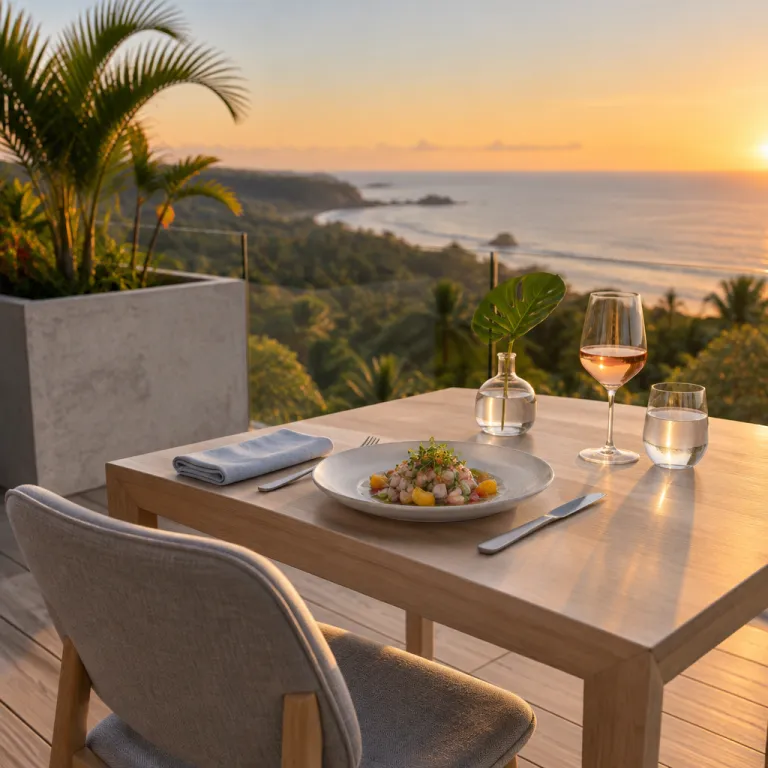
Why Costa Rica is the rare place where solo dining feels natural
Solo travelers often arrive in Costa Rica expecting awkward dinners and politely averted glances. The reality in many Costa Rica luxury properties is that staff and guests treat a party of one as a normal part of the travel landscape, not a problem to be solved. That cultural ease shapes every solo meal in an upscale hotel restaurant, from the first greeting at the podium to the last cup of late night coffee.
The country’s pura vida mindset is not just a slogan for tourists; it is a social code that values unhurried conversation, shared tables and genuine curiosity about your trip. In a well run hotel or lodge, servers will ask about your travel plans, recommend a national park or a quiet beach, and subtly pace your courses so you never feel rushed. Many guests say their most memorable meals in Costa Rica happened when they were alone, because the experience felt tailored rather than improvised.
In practice, this means dining solo in a Costa Rica luxury hotel rarely involves being hidden in a corner or pushed toward room service. At a serious luxury resort on the Osa Peninsula or near Manuel Antonio, the maître d’ will usually offer a choice between the bar, a counter facing the open kitchen, or a terrace table with a view of the coastline. The message is clear for solo travelers who might be nervous on the first day of their trip to Costa Rica: you are not the last reservation, you are the guest the team has been expecting.
The chef’s counter: the best seat in the house for solo travelers
Across the country’s best hotels in Costa Rica, the chef’s counter has quietly become the most coveted seat for guests traveling alone. Instead of staring at an empty chair, you watch a luxury culinary brigade plate ceviche, torch meringues and pull espresso shots for the dining room. The counter transforms dinner into a live performance, and solo travelers gain a front row view that couples at distant tables rarely enjoy.
At Nayara Tented Camp in La Fortuna, the open kitchen concept lets guests sit at a polished wood bar that overlooks the grill and the pastry station. Here, a solo traveler can talk with the chef about local Costa Rican cacao, compare notes on the best national park trails, and taste small off menu bites that never reach the main restaurant. According to Nayara’s own dining descriptions, seasonal tasting menus and chef interactions are central to the experience, which helps a Costa Rica luxury hotel restaurant feel like a private tasting rather than a standard resort dinner.
In the Central Valley, Finca Rosa Blanca and similar boutique properties use their chef’s counters to showcase coffee pairings and fine dining menus built around seasonal produce. A solo guest might start with a coffee cupping, move into a multi course tasting menu, and end the night with a quiet walk back to the room through the lodge gardens. For travelers who care about how the Costa Rican kitchen is evolving, reading sample menus and recent press about the new wave of chefs redefining national cuisine can help them choose which resort or hotel restaurant will match their expectations.
Communal tables and cooking classes that feel like conversation, not programming
Some solo travelers prefer a social dining experience, but dread forced mingling or icebreakers. The smartest luxury properties in Costa Rica solve this with long communal tables and cooking classes that attract guests who already share an interest in food. Conversation starts with the menu, not with awkward small talk about where you are from and how long your trip will last.
Pacuare Lodge, reached by river rather than road, is a benchmark for this style of hospitality. Its tented camp suites draw travelers who care about both conservation and comfort, and the shared tables at dinner naturally mix couples, friends and solo travelers without pressure. One night you might sit beside a guide who spent the day in a nearby national park, the next beside a barista explaining why Costa Rican coffee from the Central Valley tastes different from beans grown near the Osa Peninsula.
In Arenal and Manuel Antonio, several of the best hotels now offer hands on cooking classes that end in a relaxed shared meal. You chop herbs, press tortillas and grill fish together, then sit down at a long table where the food you cooked becomes the centerpiece of the evening. For guests who prefer privacy, some luxury villas and suites arrange a private chef, and the shift toward private chef fine dining instead of restaurant reservations gives solo travelers another way to enjoy Costa Rica’s luxury hotel cuisine without feeling isolated.
When the bar and the terrace become the solo traveler’s dining room
In many Costa Rica properties, the bar is no longer just a place for a pre dinner drink; it is a fully fledged restaurant zone designed for relaxed solo dining. Bar stools face either the ocean, the pool or the open kitchen, giving solo travelers a natural focal point. Staff are trained to read whether you want conversation or quiet, and they adjust their presence accordingly.
On the Osa Peninsula, several eco focused luxury resorts now serve complete fine dining menus at the bar, from ceviche made with same day catch to slow braised Costa Rican short ribs. A solo guest can order a full tasting menu, pair it with local coffee or craft cocktails, and still feel part of the room’s energy. Beachfront dining terraces extend this idea, letting you sit at a high top table that overlooks the beach while the main restaurant hums behind you.
In San José and the hills above the capital, city hotels and lodge style retreats use rooftop bars to create a similar effect. You might check availability for a late seating, then arrive to find a bar team that already knows your name and your preferred drink from the previous day. That level of recognition turns a simple Costa Rica luxury hotel restaurant experience into a ritual that anchors your trip, especially when you are moving between San José, Manuel Antonio and other coastal towns during a longer travel circuit.
In room dining that feels curated, not like hiding from the dining room
There are nights on any trip to Costa Rica when even the most confident solo travelers want to eat in their room. The difference in a true luxury hotel stay is that in room dining is treated as a designed ritual, not a fallback. Trays arrive with proper tableware, candles, and sometimes a handwritten note from the chef describing the menu.
At high end resorts near Manuel Antonio or along the Nicoya Peninsula, guests can request beachfront dining setups where a low table is placed on the sand just outside their villa. You still eat alone, but the sound of the waves and the glow from the main restaurant keep you connected to the life of the resort. In tented suites at Nayara Tented Camp or riverside villas at Pacuare Lodge, staff will often time delivery so that your main course arrives just as the forest quiets and the night sounds begin.
Urban hotels in San José and countryside properties like Finca Rosa Blanca have elevated breakfast in the room into a signature experience. A tray might include freshly ground Costa Rican coffee, local fruit, house baked bread and a printed map suggesting which national park or beach to visit that day. For many guests, that slow morning ritual is as memorable as any fine dining dinner, and it reinforces the idea that eating alone in a Costa Rica luxury hotel can be as intimate or as social as you choose.
How to choose the right property for a solo dinner that feels intentional
Finding the best hotels for solo travelers in Costa Rica starts long before you sit down to eat. When you research hotels in Costa Rica, read menus and restaurant descriptions as carefully as you read spa lists or room categories. Properties that talk about chef’s counters, communal tables, beachfront dining and tasting menus usually think seriously about how different types of guests, including solo travelers, will actually use those spaces.
Look for resorts and lodge style properties that mention bar seating, cooking classes and flexible dining times, because these details signal a guest centered approach. When you email to check availability, ask directly how they handle solo diners and whether the restaurant team can recommend specific seats for a Costa Rica luxury hotel restaurant experience. The tone of the reply will tell you a lot about whether you will feel like the last reservation or like a valued guest whose trip matters.
Understanding the deeper roots of Costa Rican hospitality also helps you read between the lines of glossy marketing. Our analysis of how pura vida shapes real hospitality practices, combined with recent Costa Rican Tourism Board (ICT) reports on visitor satisfaction, shows why staff in a remote beach lodge on the Osa Peninsula might remember your name after one night, while a city resort in San José feels more anonymous. Choosing a property where the restaurant, the spa and the front desk operate as one attentive team is the surest way to guarantee that every meal on your trip to Costa Rica, from coffee at sunrise to fine dining at dusk, feels like it was designed with you in mind.
Reading the room: practical strategies for solo diners in Costa Rica
Once you arrive at your chosen Costa Rica property, a few small moves can transform your solo dining experience. When you check in, mention that you are traveling alone and that you care about food, because this prompts staff to flag your profile for the restaurant team. By the time you reach the dining room, the host often already knows to offer the bar, the chef’s counter or a terrace table with a view of the beach or the forest.
Arriving slightly early for your reservation lets you choose your seat before the room fills. Ask which tables are best for watching the kitchen or the sunset, and do not hesitate to request the same spot on another day if it suits you. In many Costa Rica resorts, staff appreciate clear preferences, because it helps them craft a consistent luxury culinary rhythm across your stay.
Finally, treat the restaurant team as your local guides, not just as servers. Ask which national park is quietest that week, which coffee farm near Finca Rosa Blanca is worth a visit, or whether a day trip from San José to the coast makes sense given your schedule. Their answers will not only shape your wider travel plans, they will also deepen your sense that every part of your Costa Rica luxury hotel restaurant experience, from breakfast to late night drinks, is part of one coherent trip narrative rather than a series of disconnected meals.
Key figures on solo travel and luxury dining in Costa Rica
- According to the Costa Rican Tourism Board (ICT), solo travelers represent a notable portion of international arrivals, and that segment has grown steadily over the past decade as long haul travel has become more accessible. ICT’s 2019 tourism profile, for example, notes a clear rise in individual bookings compared with group tours.
- Industry surveys from luxury hotel groups indicate that many guests who travel alone request bar or counter seating when given the option, highlighting the importance of chef’s counters and bar dining in new restaurant designs. Internal brand reports from global chains with Costa Rica properties consistently flag this as a design priority.
- Data from the World Travel & Tourism Council (WTTC) shows that Costa Rica’s tourism sector contributes over 10% of national GDP, and high end hotel and resort dining represents a significant share of that value through tasting menus, wine pairings and special events.
- Research summarized by major booking platforms suggests that properties offering cooking classes and communal tables tend to see higher guest satisfaction scores among solo travelers compared with hotels that only provide traditional restaurant seating. Reviews frequently mention “chef’s table,” “cooking workshop” or “shared table” as highlights.
- Surveys of spa and wellness focused resorts in Central America report that guests who rate on site dining as “excellent” are more likely to return within a few years, underscoring how a strong Costa Rica luxury hotel restaurant experience can drive repeat visits. However, these same surveys note that premium tasting menus and private chef services can sell out quickly in peak season, so advance reservations are often essential.
FAQ about solo dining in Costa Rica luxury hotels
Is Costa Rica safe for solo travelers who want to dine out at night?
Most luxury hotels and resorts in Costa Rica are located in areas that are considered safe for guests walking between their room, the restaurant and shared spaces at night. Properties typically have visible security, well lit paths and staff who can escort you if you feel uncomfortable. In cities like San José, using official taxis or hotel arranged transport to reach off site restaurants is the best practice.
How can I avoid feeling awkward when eating alone in a hotel restaurant?
Choosing bar seating, a chef’s counter or a terrace table with a view can make a solo dinner feel more dynamic. Bringing a notebook, a guidebook or a camera to review your day’s photos gives you a natural focus between courses. Letting the staff know you enjoy conversation often leads to thoughtful interaction without feeling intrusive.
Do luxury hotels in Costa Rica charge extra for in room dining for solo guests?
Room service pricing in Costa Rica’s luxury properties is usually the same whether you are one person or two, though some hotels add a standard delivery fee per order. Many high end resorts now design in room dining as a full experience, with proper table setups and multi course menus. Checking the menu and any service charges when you check availability or at check in will prevent surprises.
Can I join communal tables or cooking classes if I am shy or introverted?
Communal tables and cooking classes in Costa Rica’s upscale hotels are generally relaxed, with conversation centered on food, travel and nature rather than personal questions. You can participate as much or as little as you like, and staff are usually skilled at reading social cues. For many introverted solo travelers, these formats feel easier than traditional small talk at a standard restaurant table.
Which regions of Costa Rica are best for a food focused solo trip?
The Central Valley around San José offers strong coffee culture and farm to table dining, while Arenal and La Fortuna combine hot springs resorts with ambitious restaurants. Manuel Antonio and the Osa Peninsula add beachfront dining and access to national parks, making them ideal for travelers who want both nature and a refined Costa Rica luxury hotel restaurant experience. Choosing two or three regions for one trip gives you a balanced view of the country’s culinary landscape.
References
- Costa Rican Tourism Board (ICT), tourism statistics and visitor profiles
- World Travel & Tourism Council (WTTC), economic impact reports for Costa Rica
- UN World Tourism Organization (UNWTO), global tourism trend analyses