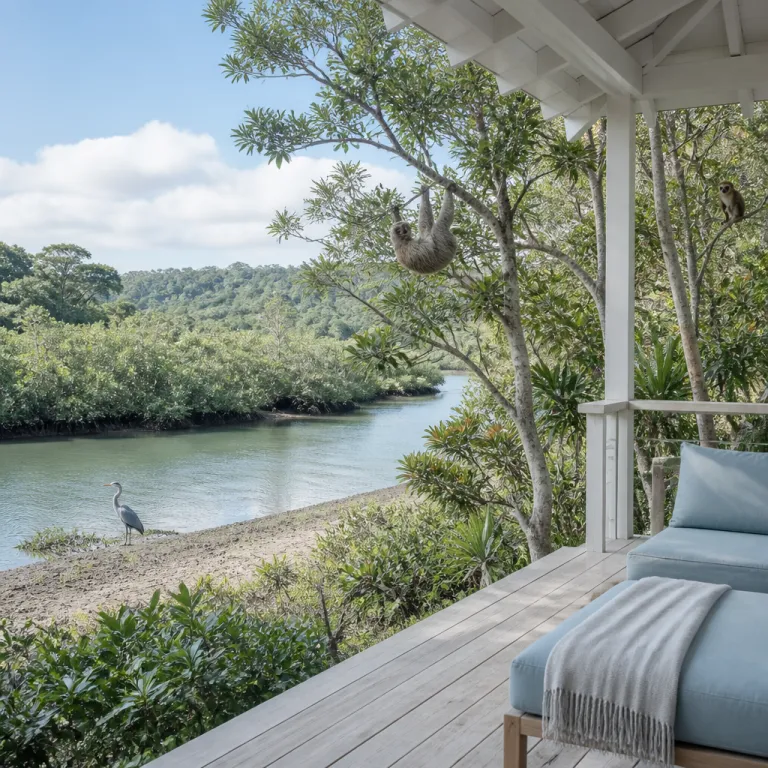
The species first mindset: how costa rica wildlife lodge species specific booking really works
Most travelers pick a region in Costa Rica, then hope the wildlife cooperates. A species first mindset reverses that habit and turns your costa rica wildlife lodge species specific booking into a precise, almost scientific match between animal, habitat and season. Families planning a premium stay gain clarity fast, because each forest type, each national park and each rainforest lodge supports different flagship species.
Think of the country as a living field guide rather than a generic jungle backdrop. High elevation cloud forest, lowland rainforest, mangrove estuary and dry pacific coast each host their own bird species, amphibians reptiles, monkeys sloths and marine life. When you start with the animal you most want your children to see, the right lodge, eco lodge or rainforest resort usually reveals itself within a single valley or bay.
This approach matters in a small but wildly diverse country like Costa Rica. Distances look short on a map of Central America, yet a three hour drive can shift you from cool cloud forest to humid rainforest or to the bright pacific coast. A thoughtful booking strategy avoids constant transfers and instead anchors your stay in one or two properties where wildlife, comfort and family friendly service align.
Cloud forest stays for quetzals and high elevation specialists
If the resplendent quetzal tops your wish list, you need altitude. The species thrives in mature oak forest between roughly 1,400 and 2,500 metres, which narrows your costa rica wildlife lodge species specific booking to cloud forest enclaves such as Monteverde and the Savegre Valley near San Gerardo de Dota. Here, cool mist, dense forest and fruiting trees create a reliable stage for early morning sightings.
In Monteverde, a refined rainforest hotel or intimate lodge with on site trails often outperforms a larger resort in town. Look for a property that borders a private reserve or sits near the Monteverde Cloud Forest Reserve entrance, with guided bird watching at dawn and small group walks capped at six guests. For families, private rooms or connecting suites keep children close while still preserving a sense of quiet retreat for parents.
South of San José, the Savegre Valley offers a different kind of stay, with riverside rainforest lodges tucked into steep forested slopes. Many of these Costa Rican properties are family run, with naturalist guides who know individual bird species by call and favored perch. When comparing options, prioritize a hotel that includes at least one night walk and an early morning quetzal focused excursion in the rate, rather than a generic nature tour that skims the surface.
For travelers who want a deeper canopy perspective, an elegant cloud forest retreat such as the one profiled in this guide to a refined Monteverde hideaway shows how a rainforest resort can balance elevated design with serious conservation credentials. The best cloud forest stays feel like observatories rather than theme parks, with quiet decks, library like lounges and guides who track seasonal movements of key species. That level of detail turns a single quetzal sighting into a layered, memorable experience for children and adults.
Lowland rainforest and canals for sloths, amphibians and turtles
Families obsessed with monkeys sloths, tree frogs and turtles should pivot their costa rica wildlife lodge species specific booking toward the Caribbean lowlands. Regions such as Tortuguero, Cahuita and the La Selva corridor near Puerto Viejo de Sarapiquí combine warm rainforest, slow moving canals and rich forest edges that favor three toed sloths and a kaleidoscope of amphibians reptiles. Here, the forest feels softer, wetter and more accessible for younger children.
In Tortuguero, most stays unfold at a lodge or rainforest resort accessible only by boat, which instantly shifts the pace. A strong property will include canal safaris at dawn, guided night walk experiences on the forest fringe and, in season, carefully managed sea turtle viewing on the beach. When you evaluate booking options, ask how many guests join each excursion and whether the hotel works with certified local guides from the village.
Cahuita and the surrounding coast offer a different rhythm, with small rainforest hotels tucked between beach and forest. Many of these Costa Rican properties sit near Cahuita National Park, where flat trails make wildlife viewing easier for children aged five to eight. Look for private rooms with ceiling fans, shaded verandas and access to both forest and sea, so a morning of bird watching can flow into an afternoon swim.
Older children and teenagers often appreciate a split stay that pairs a laid back Caribbean lodge with a more design forward coastal retreat elsewhere in the country. For example, families sometimes combine a sloth focused rainforest stay with a few nights at one of the Costa Rica resorts that feature private pools and refined coastal escapes. This balance keeps wildlife at the heart of the trip while still honoring the desire for a polished resort experience on the pacific coast.
Osa Peninsula and Golfo Dulce: all four monkeys and serious rainforest
If your goal is to see all four Costa Rican monkey species in a single stay, the Osa Peninsula and the Golfo Dulce coast are non negotiable. This southwestern corner of Costa Rica holds some of the most intact lowland rainforest in Central America, with a density of wildlife that can feel almost theatrical. A costa rica wildlife lodge species specific booking here is less about a single animal and more about immersion in a living, breathing forest system.
Lodges along the Golfo Dulce and around the Corcovado National Park perimeter offer access to howler, spider, capuchin and squirrel monkeys, often within the same morning. The best rainforest lodges operate as eco lodges in practice, even if they avoid the label, with private reserves, low impact design and naturalist led activities such as night walks and tidepool explorations. Families should ask how far the property sits from the park boundary and whether day trips into Corcovado are feasible for children aged nine to fourteen.
On the pacific ocean side of the Osa Peninsula, a handful of rainforest resorts and small hotels blend serious wildlife access with elevated comfort. Private rooms with fans or air conditioning, screened windows and shaded decks make the humidity manageable between hikes. Some properties also offer horseback riding on forest trails or along quiet stretches of pacific coast, which can be a gentle way for younger travelers to experience the landscape without another long trek.
Teenagers who crave a touch of independence may appreciate pairing an Osa wildlife immersion with a stylish adults oriented coastal stay elsewhere in the country. While not designed for younger children, a refined hideaway such as the one featured in this profile of an elegant adults only escape on the Nicoya Peninsula can work for multi generational trips where grandparents or parents peel off for a quieter finale. The key is to let the Osa Peninsula carry the wildlife narrative, then use the second property as a restorative coda rather than a competing attraction.
Pacific coast, whales, macaws and family friendly marine encounters
Families drawn to the sea as much as the forest should orient their costa rica wildlife lodge species specific booking toward the southern pacific coast. Between Uvita, Drake Bay and the fringes of the Osa Peninsula, warm pacific ocean waters host migrating humpback whales, dolphins and rich coastal bird life. On land, scarlet macaws, monkeys sloths and a chorus of other species move through the forest that still clings to the hillsides.
In Uvita and the Marino Ballena area, many properties function as hillside rainforest hotels with sweeping sea views. A strong resort or lodge here will offer boat based whale watching with strict distance rules, plus guided visits to nearby forest trails or a private reserve. For younger children, the combination of gentle beach time, short nature walks and poolside hours often proves more sustainable than back to back treks in dense jungle.
Drake Bay, by contrast, feels more remote and suits families with older children or teenagers who are comfortable with boat landings and longer hikes. Rainforest lodges here often package stays that include snorkeling at Isla del Caño, bird watching outings and day trips into Corcovado National Park. When comparing options, look for properties that cap group sizes, include at least one night walk and maintain clear wildlife viewing guidelines to avoid crowding animals.
Along the broader pacific coast, from the central region down to the Osa Peninsula, you will also find eco lodges and small hotels that lean into marine life rather than forest immersion. These properties can still deliver meaningful wildlife encounters, especially for sea turtles, coastal bird species and tidepool amphibians reptiles. The art lies in matching your family’s comfort level with remoteness to the right stretch of coast, so the journey feels like part of the experience rather than an obstacle.
How to read a wildlife focused hotel listing like an expert
Once you know which species you are targeting, the final step in costa rica wildlife lodge species specific booking is decoding the language of hotel listings. A property that simply mentions wildlife in passing usually offers pleasant garden sightings, while a true wildlife lodge with hotel level amenities will detail its trail network, guiding team and on site reserve. Look for concrete references to forest types, nearby national parks and specific bird species or mammals rather than vague promises of jungle magic.
Families should pay close attention to room descriptions and layout. Private rooms or suites that open directly onto forest edges can feel thrilling, but younger children may sleep better in configurations closer to the main building of the hotel or resort. Ask whether the lodge offers flexible bedding, early breakfasts for dawn bird watching and kid appropriate versions of longer hikes, especially in dense rainforest or steep cloud forest terrain.
Night walk offerings deserve particular scrutiny, because they shape how children remember the forest. A well run eco lodge or rainforest resort will keep groups small, limit torch brightness and focus on respectful viewing of amphibians reptiles, insects and nocturnal mammals. When a listing mentions a private reserve, ask about its size, habitat types and whether access is exclusive to guests, which can dramatically improve the quality of the experience.
For multi stop itineraries across Costa Rica, consider how each stay complements the others in terms of species and habitats. One rainforest lodge near a national park, one coastal property on the pacific ocean and perhaps a cloud forest retreat can collectively showcase the country’s range without exhausting younger travelers. In the end, the most successful bookings treat wildlife as the organizing principle and let design, service and amenities refine the shortlist rather than dictate it.
Frequently asked questions
Is Costa Rica suitable for a first wildlife focused family trip ?
Costa Rica is one of the most accessible wildlife destinations in Central America for families. Distances between key regions are manageable, healthcare and infrastructure are relatively strong and many lodges understand the needs of children. A species first approach simply helps you choose the right mix of rainforest, coast and cloud forest for your family’s energy levels.
Which region is best if my children mainly want to see sloths ?
For reliable sloth sightings, focus on the Caribbean lowlands rather than the drier pacific coast. Areas around Tortuguero, Cahuita and the La Selva corridor near Sarapiquí offer excellent habitat for three toed sloths. Choosing a lodge with guided walks and canal tours increases your chances while keeping viewing respectful.
How many regions should we include in a ten day stay ?
For most families, two main regions in Costa Rica are enough for a ten day trip. A common pairing is one rainforest lodge near a national park plus one coastal resort on the pacific ocean or Caribbean. This balance keeps transfers reasonable while still offering a rich mix of species and landscapes.
Are night walks safe and appropriate for younger children ?
Night walks can be safe and rewarding when run by experienced guides who understand family dynamics. Children aged nine and above usually handle them well, while younger ones may tire quickly or feel overwhelmed by jungle sounds. Ask the lodge about group size, terrain and duration before booking a night walk with small children.
Do we need a guide to see wildlife, or can we explore alone ?
Guides dramatically increase the quality and quantity of wildlife sightings in forest environments. Many animals, from bird species to amphibians reptiles, are cryptic or active at specific times that trained naturalists understand. Self guided walks can still be pleasant, but for a once in a lifetime encounter with a target species, a good guide is often the deciding factor.
Suggested sources for further reading : Costa Rican Tourism Board (ICT), National Geographic Travel, and the International Union for Conservation of Nature (IUCN).