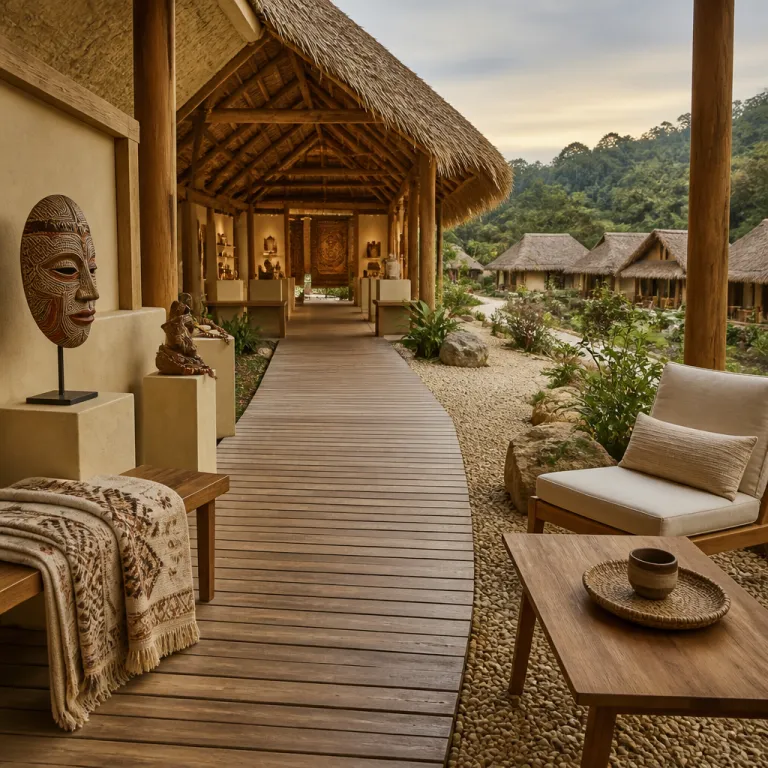
How to frame a Costa Rica indigenous culture luxury experience
Luxury travelers arriving in Costa Rica often ask how to balance comfort with a meaningful Costa Rica indigenous culture luxury experience. The answer lies in choosing community led programs where the indigenous community sets the terms, the schedule, and the price, while your hotel quietly supports logistics in the background. When you treat cultural heritage as the main reason to travel rather than a side activity, you help ensure that cultural preservation and economic benefit stay where they belong, with the people who live the traditions every day.
Across Costa Rica, several indigenous groups maintain distinct languages, customs, and spiritual relationships with the land that predate the nation state of Costa Rica by centuries. A thoughtful Costa Rica indigenous culture luxury experience respects that each group has its own cultural identity, from the mask carvers of Boruca to the cacao guardians of Bribri and the forest wise Maleku indigenous families near Arenal. Your role as visitors is not to consume a show, but to enter a living cultural experience where you listen more than you speak and learn how people live with the forest rather than apart from it.
Community led cultural activities usually mean smaller groups, slower pacing, and more hands on activities that feel intimate rather than theatrical. When you book a tour through a cooperative instead of a mass market operator, more of your payment reaches the community and supports cultural preservation, language programs, and the daily life of elders and children. This is where a Costa Rica indigenous culture luxury experience becomes genuinely premium, because you are paying for access to knowledge, stories, and traditions that no spa treatment or infinity pool can replicate.
Choosing community led programs over intermediated tours
The most important decision you will make is whether to book directly with a community initiative or through a generic tour operator that simply resells indigenous experiences. Community led projects in Costa Rica usually publish clear guidelines about group size, respectful behavior, photography, and how to support cultural heritage through fair purchases of crafts and food. By contrast, intermediated tours often compress several communities into one rushed day, turning rich cultural identity into a checklist of staged stops.
When planning a Costa Rica indigenous culture luxury experience, ask your hotel concierge who actually receives your payment and how much stays with the indigenous community. In Guanacaste, for example, some high end resorts now partner directly with Boruca and Maleku people rather than outsourcing to large agencies, and this model should be your benchmark. Four Seasons Papagayo’s culinary team has publicly highlighted a partnership where Chef Heberto Mejia worked with Boruca artisans, and this kind of collaboration shows how luxury brands can support cultural preservation while offering guests a deeper cultural experience.
Families balancing work and leisure can use the same lens when extending a business trip into a long weekend in Costa Rica, and resources like this guide to where executives should stay for a long weekend in Costa Rica help align hotel choices with access to community led cultural activities. Always ask whether your guide is from the indigenous groups you are visiting, whether the itinerary includes time to learn about customs and medicinal plants, and whether children are welcome as participants rather than spectators. A true Costa Rica indigenous culture luxury experience will feel slower, more conversational, and more reflective than a standard sightseeing tour, and that is precisely the point.
Boruca: masks, festivals, and where luxury fits in
South of the Pacific coast resorts, the Boruca community has become synonymous with carved masks that depict forest spirits, animals, and the layered history of resistance against colonization. These masks are not souvenirs invented for visitors, but expressions of cultural identity that appear in ceremonies and in the annual Fiesta de los Diablitos, when music dance, fire, and storytelling fill the village for several days. For a Costa Rica indigenous culture luxury experience, the goal is to engage with Boruca heritage on its own terms, not to treat the community as a quick photo stop between beach activities.
High end travelers staying in Guanacaste or on the Papagayo Peninsula can arrange a dedicated tour that focuses on Boruca art, carving workshops, and textile weaving, often in partnership with their hotel’s cultural concierge. Four Seasons Papagayo’s Chef Heberto Mejia undertook an immersive culinary journey to Boruca indigenous territory, creating recipes directly with Boruca artisans — a model of luxury-brand cultural partnership done thoughtfully. When your hotel follows this kind of example, your visit highlights cultural depth rather than spectacle, and your purchases of masks and textiles become direct support for families whose life revolves around preserving Boruca traditions.
Ask to meet carvers in their home workshops, where you can see hands on activities like sanding, painting, and finishing the intricate pieces that have made Boruca famous across Costa Rica. A responsible guide will explain how different designs reference indigenous groups, forest animals, and ancestral stories, helping visitors learn why certain colors and motifs carry specific meanings. For families, this can be a powerful cultural experience, because children see that art, identity, and community are woven together, and that a Costa Rica indigenous culture luxury experience can be as much about a quiet conversation with an elder as about a five course tasting menu or a rare wine program at a resort, which you can explore through resources such as this review of which Costa Rica luxury hotels have serious wine programs.
Bribri cacao ceremonies and Caribbean luxury bases
On the Caribbean side of Costa Rica, the Bribri people live in the Talamanca mountains, where cacao is both a crop and a sacred connector between humans and the spirit world. Here, a Costa Rica indigenous culture luxury experience often centers on cacao ceremonies that follow traditional protocols, guided by elders who explain how seeds are fermented, roasted, and ground by hand. These are not theatrical tastings, but cultural experiences where visitors learn how cacao supports community life, from food security to ceremonial offerings.
Several Bribri cooperatives now host small groups for day visits that include river walks, hands on activities with cacao, and shared meals prepared with local ingredients. Sebastián Arrieta’s recent recognition at the Versailles Pastry Cup, where he spotlighted Talamanca cacao, has drawn attention to the quality of Bribri cacao and the importance of cultural preservation in the region. When you book through a cooperative rather than a generic tour, more of your payment supports Bribri cultural heritage, language programs, and the women who often lead cacao processing and storytelling.
Luxury travelers typically base themselves in refined Caribbean lodges near Puerto Viejo or Cahuita, then arrange a tour into Bribri territory with a community guide who speaks both Spanish and English. Ask in advance how long the journey will take, what level of walking is involved, and whether the ceremony is appropriate for children, as some rituals are more contemplative than interactive. For families seeking a Costa Rica indigenous culture luxury experience, these Bribri visits can be paired with time on quieter Caribbean beaches, creating a rhythm where cultural immersion, coastal relaxation, and rainforest exploration all feel part of one coherent Costa Rican itinerary.
Maleku near Arenal: forest knowledge, hot springs, and family friendly stays
North of Arenal Volcano, the Maleku community maintains a small but resilient presence in the San Rafael de Guatuso reserve, where language, art, and forest knowledge remain central to daily life. For many travelers, a Costa Rica indigenous culture luxury experience here begins at a high end lodge near Arenal Volcano and the region’s famous hot springs, then extends into a half day visit to a Maleku cultural center. This combination allows visitors to enjoy the comforts of a spa resort while engaging with Maleku indigenous guides who share stories of displacement, resilience, and ongoing cultural preservation.
When you visit Maleku territory, expect a program that might include walks through secondary forest, explanations of medicinal plants, and demonstrations of traditional music dance and painting. The Maleku people often use these visits to explain how different plants support health, how animals are viewed within their cosmology, and how cultural heritage is passed from elders to children through stories and hands on activities. For families, this is one of the most accessible ways to learn about Costa Rica’s indigenous groups, because the terrain is gentle, the distances are short, and guides are accustomed to answering curious questions from younger visitors.
Luxury properties such as Nayara Gardens, Nayara Springs, and other high end Arenal hotels can arrange a visit Maleku excursion with vetted community partners who prioritize cultural identity over performance. When evaluating options, ask whether the Maleku indigenous hosts have designed the itinerary themselves and whether your payment supports specific projects like language classes or craft workshops. Pairing a Maleku visit with a quiet afternoon in the hot springs creates a Costa Rica indigenous culture luxury experience that feels both restorative and reflective, reminding you that the volcanic landscape, the forest, and the people who live there are part of one interconnected story.
Guanacaste, Monteverde, and crafting a respectful family itinerary
Guanacaste’s Pacific coastline is often the first stop for Costa Rican beach holidays, with its dry forests, surf breaks, and polished resorts. From here, a Costa Rica indigenous culture luxury experience can unfold through curated day trips inland, where you meet artisans, farmers, and indigenous groups who anchor the region’s cultural identity. The key is to resist the temptation to stack too many activities into one day, allowing time for conversations, shared meals, and quiet observation.
Families who split their stay between Guanacaste and the highlands around Monteverde can weave culture into a broader nature focused itinerary. Resources such as this guide to where to stay near Monteverde Cloud Forest Reserve help you choose lodges that already prioritize conservation and community partnerships. From these bases, you can arrange visits to nearby communities, coffee farms, and cultural centers that highlight cultural heritage alongside cloud forest conservation, turning your Costa Rica indigenous culture luxury experience into a multi day narrative rather than a single excursion.
When traveling with children, look for programs that include hands on activities such as grinding cacao, painting masks, or learning a few words in an indigenous language, because these moments make customs and traditions tangible. Explain in advance that some parts of the visit, such as blessings or quiet songs, are not performances but expressions of life and belief, and that respectful silence is part of being good visitors. By setting this tone, you help your family understand that a Costa Rica indigenous culture luxury experience is not about entertainment, but about entering someone else’s home with humility and curiosity.
Practical ethics: money, photography, and what to ask before you go
Ethical travel in Costa Rica begins with simple questions that many luxury travelers forget to ask in the rush to secure reservations and private transfers. Before confirming any Costa Rica indigenous culture luxury experience, ask who owns the land where the activities take place, who designed the program, and how decisions are made about visitor numbers. These questions signal that you understand cultural preservation as a living process, not a marketing slogan.
Photography is another area where intentions and impact can diverge, especially when children or elders are involved in ceremonies or daily life. Always ask permission before taking close up portraits, and accept that some moments, particularly spiritual rituals or private family scenes, are not meant to be photographed at all. A guide rooted in the community will explain which parts of the cultural experience are appropriate for images and which should remain in memory only, and this guidance is part of what you are paying for in a premium, community led tour.
Finally, remember that tipping and craft purchases are not charity, but fair compensation for time, knowledge, and artistry that have taken a lifetime to cultivate. Buy directly from artisans whenever possible, whether you are in a Maleku village near Arenal, a Bribri cacao farm in Talamanca, or a Boruca carving workshop in the south of Costa Rica. By aligning your spending with your values, you turn a Costa Rica indigenous culture luxury experience into a quiet act of solidarity, ensuring that the people who live these traditions every day can continue to define their own future.
Key figures for Costa Rica's indigenous cultural travel
- The Boruca population is estimated at around 2,660 people, which means that every purchase of a mask or textile has a measurable impact on a relatively small community (source: Wikipedia, recent demographic data).
- Bribri communities in Talamanca number approximately 12,000 people, making them one of Costa Rica’s largest indigenous groups and a central partner for any long term cultural preservation strategy in the Caribbean region (source: Bribri Indigenous Territory records).
- The Maleku population is estimated at about 650 people, so each visit to a Maleku cultural center near Arenal contributes to the survival of a language and worldview that could otherwise be at risk (source: Místico Park educational materials).
- Across Costa Rica, guided tours, workshops, and occasional homestays in indigenous territories operate year round, allowing travelers to plan cultural immersion at almost any time of the year while still respecting seasonal rhythms (compiled from community tourism initiatives).
- Growing interest in cultural tourism has led to a noticeable increase in community led initiatives, which aim to balance economic support with sustainable practices and authentic representation of customs and traditions (reported by local tourism organizations).
FAQ about luxury travel and Costa Rica's indigenous communities
How can I visit these communities responsibly from a luxury hotel base ?
Arrange tours through community contacts recommended by your hotel, and ask specifically for programs that are designed and led by indigenous guides rather than outsourced to large intermediaries. Many high end properties in Guanacaste, Arenal, and the Caribbean now maintain direct relationships with Boruca, Bribri, and Maleku initiatives. This approach ensures that more of your payment supports cultural heritage and local livelihoods.
Are there accommodations available inside indigenous territories ?
Some communities offer simple homestays or rustic guesthouses, but these are usually modest and not positioned as luxury stays. Most premium travelers choose to sleep in nearby resorts or lodges, then visit communities for day trips or carefully planned overnights. Always confirm comfort levels, facilities, and safety standards in advance if you are considering staying within a territory.
What should I bring for a day of cultural immersion ?
Wear comfortable clothing suitable for warm, humid conditions, and bring a light rain jacket, closed shoes, and sun protection. Carry cash in small denominations for craft purchases, as many artisans do not accept cards, and pack a notebook if you like to record words or stories. Above all, bring respect for customs and an open mind, because these are the essentials for any meaningful cultural experience.
How do I know if an experience is authentic or staged ?
Authentic programs usually involve small groups, clear explanations of cultural context, and opportunities to ask questions, rather than quick performances designed for large buses. Community led initiatives will be transparent about who benefits financially and how your visit supports cultural preservation projects. If an itinerary feels rushed, heavily scripted, or focused mainly on photo opportunities, it is likely more performance than genuine exchange.
Is it appropriate to bring children to indigenous cultural visits ?
Yes, many programs are designed with families in mind and include hands on activities that help children engage respectfully. Check with your hotel or the community cooperative about age recommendations, walking distances, and any sensitive content before booking. Prepare your children by explaining basic etiquette, such as asking before taking photos and listening quietly during stories or ceremonies.
Sources
- Four Seasons Costa Rica at Peninsula Papagayo – press materials on Boruca culinary journey and community partnerships.
- Bribri Indigenous Territory and local cooperatives – population figures and cacao ceremony program descriptions.
- Místico Park educational resources – data on Maleku population and cultural interpretation near Arenal.