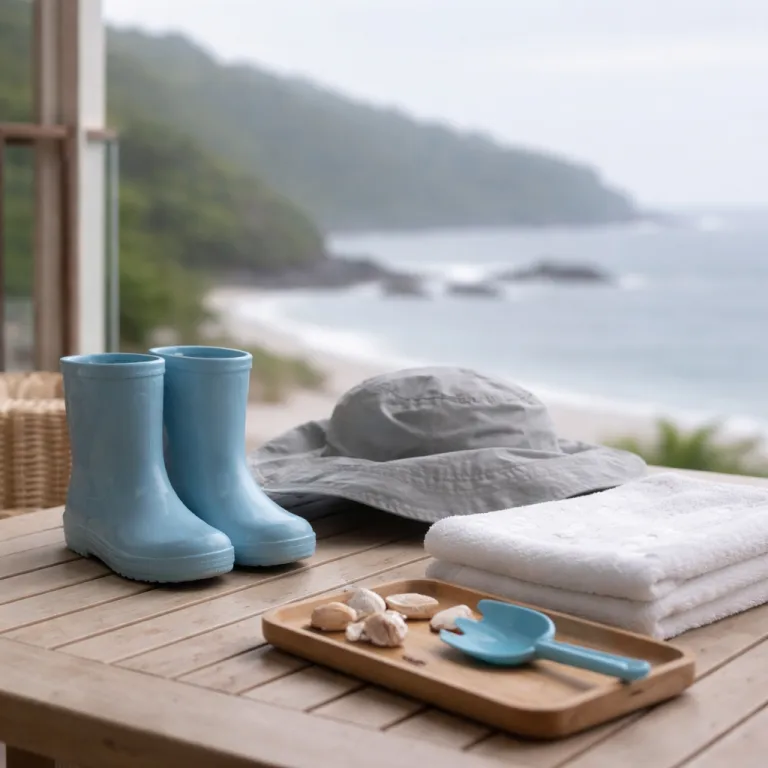
Why costa rica green season family travel belongs on the Pacific coast
June on the Pacific coast of Costa Rica is not a compromise for a family; it is the sweet spot where the green season and school holidays finally align. The Costa Rica green season family window around early June brings clear mornings, warm seas and a forest so charged with wildlife that guided walks feel like moving through a live documentary. For parents used to the binary of dry season sun or rainy season storms, this period rewrites what the word season means.
On the Pacific side of the country, the green months from May through October follow a reliable pattern: mornings are typically bright, with blue sky and light wind, while afternoon showers roll in after 14:00 like a standing appointment. That means the best time for a Costa Rica green season family to hike, snorkel or cruise mangroves is before lunch, when the weather is calm and the coast is luminous. By late afternoon, rain turns to a soundtrack rather than a disruption, and most luxury properties on the Pacific coast are built to let you watch the rainfall from deep sofas and wide verandas.
Families often ask whether to wait for the dry season or lean into the rainy season, especially when planning a first visit to Costa Rica. For the Pacific coast, the honest answer is that early June is the perfect compromise, because you sidestep the peak prices of July–August while still enjoying long, usable blocks of time outside. Local guides in Puntarenas quietly call this the season Costa Rica keeps for itself, when the forest is fully rica green and the pura vida rhythm slows to match the afternoon showers.
Weather patterns, wildlife density and how June really feels
Families who only know the dry season often imagine that Costa Rica rainy months mean day-long storms, but June on the Pacific coast behaves very differently. In Puntarenas, for example, average high temperatures sit around 31 °C, with roughly 200–220 mm of monthly rainfall concentrated in late-day bursts that cool the air without stealing the morning.1 These figures are based on long-term climate normals rather than a single year, so they should be read as typical ranges, not guarantees. This is why the Costa Rica green season family experience feels so relaxed; you plan your activity time early, then let the rain dictate when to slow down.
Those afternoon showers are the engine that drives the green season, and they transform the forest into a stage for wildlife. In and around Manuel Antonio National Park, guides report peak monkey and sloth activity in the rainy season, because the canopy is dense, fruiting trees are heavy and the undergrowth is alive with insects.2 For a Costa Rica green season family, that means guided walks where children actually see the wildlife they came for, rather than scanning a dry forest that has retreated from the heat.
On the wider Pacific coast, this same pattern repeats from the Nicoya Peninsula down toward the Central Pacific, while the Caribbean coast follows a different rhythm with clearer spells in September–October.3 If you want to visit Costa Rica for sea turtles or humpback whales, timing becomes more specific, but early June still offers rich marine life and warm water without the crowds of July–August. When families ask, “Is June a good time to visit Costa Rica?” the most honest answer is the one already given by local experts: “Yes, for lush landscapes and fewer tourists.”
Culture also feels more accessible in this season, because the pace of travel slows and Costa Rican hosts have more time to talk. If you are building a Costa Rica green season family itinerary that blends wildlife with heritage, consider weaving in curated cultural stops such as the sites highlighted in this guide to Costa Rican cultural sites worth inserting into a family luxury itinerary. The result is a trip where the weather, the wildlife and the human stories of the country all share the same frame.
Rates, real value and luxury stays that embrace the green season
For a Costa Rica green season family, the financial argument for June on the Pacific coast is as compelling as the weather. Luxury properties that sell out in the dry season quietly open generous windows of availability, and many reduce rates or add value-driven inclusions that make a week-long stay more realistic for a family. The key is learning to separate genuine green season value from rainy season marketing fiction.
On the Papagayo Peninsula, for example, Four Seasons Resort Costa Rica at Peninsula Papagayo and Andaz Costa Rica Resort at Peninsula Papagayo both adjust pricing between the dry season and the wetter months, but they rarely feel discounted in spirit. These resorts program thoughtfully around the green season, shifting guided walks, kids’ activities and spa rituals into the morning time, then leaning into culinary experiences and indoor–outdoor lounging once the afternoon showers arrive. A Costa Rica green season family staying here will notice that staff talk about the weather as a rhythm to work with, not a problem to hide.
By contrast, some properties along the broader Pacific coast simply drop rates in the rainy season without adapting their activity schedules, leaving families to navigate rain and rainfall on their own. When you evaluate offers, look for language that references specific months, weather patterns and wildlife, rather than vague mentions of “green savings” or “off-season specials.” As a rough guide, a high-end Pacific resort that might start around US$900–1,200 per night in peak dry season can drop to the US$600–800 range in early June, especially if you book three to six months in advance; these figures are typical survey ranges rather than fixed prices.4 For deeper context on how top properties integrate nature into their kitchens and daily programming, this analysis of farm-to-table experiences inside Costa Rican eco hotels shows what real season-aware hospitality looks like.
Two kinds of lodges stand out for Costa Rica green season family stays. The first group, including high-end Pacific coast resorts, actively designs around the rainy season with covered wildlife decks, flexible kids’ clubs and naturalist-led walks timed before the rain. The second group simply offers lower prices, which can still work if your family is comfortable reading the weather and building your own rhythm around pura vida afternoons.
A seven day costa rica green season family itinerary for early June
This seven day Costa Rica green season family itinerary is calibrated for early June on the Pacific coast, when mornings are clear and the forest is fully green. It assumes a family that wants a balance of wildlife, sea time and comfort, with travel days kept short enough for children. You can stretch it to ten days by adding slower transitions or a brief detour inland, but the core rhythm works beautifully within one week.
Day 1–2: Papagayo Peninsula — Arrive on the Pacific coast and settle into a luxury resort such as Four Seasons Papagayo or Andaz Peninsula Papagayo, where the Costa Rica green season family welcome is polished yet relaxed. Plan beach and pool time in the morning, then schedule a gentle bay cruise or stand-up paddle session before lunch, leaving the rainy season afternoons for spa treatments or kids’ club workshops. Use this phase to adjust to the country, the weather and the pura vida pace.
Day 3–4: Central Pacific and Manuel Antonio — Transfer down the Pacific coast toward Manuel Antonio, keeping the drive under four hours from Papagayo if you break the journey with a lunch stop near Tarcoles or a short wildlife walk in Carara National Park.5 Base yourselves in a family-friendly luxury property near Manuel Antonio National Park, then book guided morning walks that maximise wildlife sightings before the afternoon showers. This is where the Costa Rica green season family magic peaks, with monkeys, sloths and bright birds moving through a forest made dense by consistent rainfall.
Day 5–7: Beachfront retreat and departure — For the final stretch, choose a refined beachfront hotel on the Central Pacific coast that understands both the dry season and the rainy season, and can pivot activities accordingly. Mornings can be dedicated to surfing lessons, coastal hikes or boat trips in search of dolphins and, in some months, humpback whales along the southern Pacific migration corridor (typically August–October and December–April).6 Afternoons become a time for reading, board games and long lunches under cover as the rain passes. For more ideas on where to stay right on the sand during the green season, explore our guide to premium beachfront escapes in Costa Rica, which highlights properties that work beautifully for a Costa Rica green season family.
FAQ
Is June a good time to visit Costa Rica with children ?
June is an excellent time for a Costa Rica green season family trip, especially on the Pacific coast. Mornings are usually clear and warm, giving you reliable windows for wildlife walks, boat tours and beach time before the afternoon showers. You also benefit from fewer crowds than in the dry season and more attentive service from Costa Rican hosts.
What should a family pack for the green season in Costa Rica ?
For a Costa Rica green season family itinerary, focus on a compact, weather-aware packing list:
- Light rain jackets or ponchos and quick-drying clothing for humid days.
- Sturdy walking shoes or closed-toe sandals suitable for national park trails.
- Sun protection, including reef-safe sunscreen, sunglasses and wide-brimmed hats.
- A small dry bag for electronics, plus a compact umbrella for short bursts of rain.
Will rain ruin our plans on the Pacific coast in June ?
Rain rarely ruins plans for a Costa Rica green season family, because most showers arrive in the afternoon and last one to two hours.3 If you schedule outdoor activities in the morning and early afternoon, you can usually be back at your hotel by the time the heavier rain begins. Many luxury properties on the Pacific coast also offer covered wildlife viewing decks, indoor pools and kids’ clubs designed specifically for rainy season afternoons.
Are activities and tours fully available during the green season ?
Most tours on the Pacific coast operate year-round, and many guides actually prefer the green season for wildlife viewing.7 As one local answer puts it clearly: “Are activities available during the green season? Yes, many tours operate year-round.” For a Costa Rica green season family, that means you can still book zip line circuits, mangrove boat trips and guided national park walks, with the added benefit of smaller group sizes.
How does the Caribbean coast compare to the Pacific coast in June ?
The Caribbean coast follows a different seasonal rhythm, with some of its best time for clearer weather often falling around September–October rather than June.3 For a first Costa Rica green season family trip focused on easy logistics and classic wildlife, the Pacific coast and Manuel Antonio region usually work better. Once you understand how the rainy season feels in the country, you can plan a future journey that pairs the Pacific coast with Caribbean coast sea turtles or other specialised experiences.
Trusted references for further planning : Costa Rica Tourism Board (ICT), National System of Conservation Areas (SINAC), Weather Atlas Costa Rica climate data.
1 Weather Atlas, “Puntarenas, Costa Rica - Climate data and average monthly weather.”
2 SINAC, “Parque Nacional Manuel Antonio – biodiversity and wildlife observation guidelines.”
3 Costa Rica Tourism Board (ICT), “Climate and seasons on the Pacific and Caribbean coasts.”
4 ICT and hotel association seasonal rate surveys for Pacific coast luxury properties.
5 ICT driving time estimates for main tourist routes between Guanacaste and the Central Pacific.
6 SINAC and marine research partners, “Humpback whale migration and sea turtle nesting calendars in Costa Rica.”
7 ICT, “Year-round availability of adventure and nature tours in Costa Rica.”