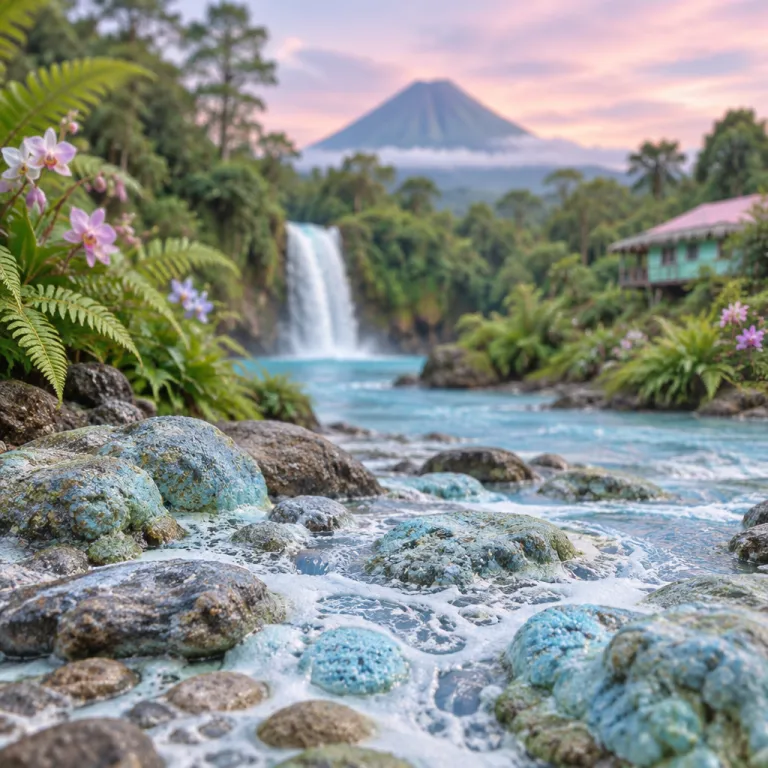
Why Tenorio Volcano and Rio Celeste work so well for families
Tenorio Volcano National Park offers what many families secretly want from Costa Rica: a single, unforgettable payoff that keeps kids walking. A visit to the Rio Celeste area centers on one surreal image, a blue river and a turquoise waterfall framed by dense forest, which feels more like a movie set than a typical national park trail. Parents who have done Manuel Antonio or Monteverde often say this volcanic landscape delivers the same wildlife soundtrack with far fewer crowds and a clearer goal for younger hikers.
At the heart of the park, the famous Rio Celeste flows through primary forest, its blue color created when two otherwise normal rivers meet and volcanic minerals react with suspended particles in the water. This is not a marketing trick; the chemistry is real, the blue river is natural, and the Celeste waterfall at the end of the main trail gives kids a concrete reward after the steps and mud. For family travel planners, that combination of science story, short hike and dramatic view makes Tenorio Volcano National Park one of the most efficient days in any Costa Rica itinerary.
The main trail inside the national park is roughly 3 km each way from the official park entrance to the viewing platform above the waterfall, and most kids from about six years old manage it comfortably with pauses. Official SINAC maps list the route as approximately 6 km round trip, with a moderate elevation change concentrated around the staircase section. Expect a mix of packed earth, stone steps and wooden sections, with some slippery patches in the wet months when the water volume is higher and the blue color often looks even more intense. Compared with the steeper, longer routes around other Costa Rican volcano areas, this waterfall hike feels achievable yet still adventurous for a family group.
Understanding the trail, the steps and what your kids can handle
The Rio Celeste family route begins gently from the park entrance, passing ranger buildings and a short section of secondary forest before the trail narrows. After about 20 to 30 minutes, the path starts to undulate, and families notice the first viewpoints of the river where the water shifts from clear to an opaque blue. This is where many parents pause, explain how the rivers meet and let kids test the hanging bridges and roots before the real descent begins.
The steepest part of the hike is the staircase down to the Celeste waterfall viewing platform, a series of several hundred concrete and metal steps that can feel long for smaller legs. Estimates vary, but many visitors report between 250 and 350 steps, so it is wise to pace children and use the railings. Most families take this section slowly and allow kids to count steps or spot birds in the surrounding area to keep spirits high. Once you reach the bottom, the view of the waterfall crashing into the blue pool below is so immediate and dramatic that even tired kids usually fall silent for a moment.
Plan for at least three hours inside the national park if you are hiking with children, more if you like to stop for photos or wildlife sightings along the trail. The path continues beyond the waterfall turnoff toward the point where the two rivers meet, known locally as Los Teñideros, where the blue color begins and the science lesson becomes visible. On wetter days, some families choose to turn back at the waterfall, while others push on to see the river change shade, making the outing feel like a full day of exploration without being overwhelming.
Parking logistics are straightforward, with several private parking lots clustered near the official park entrance and small restaurants. Most hotels in the wider area refer to the main parking lot simply as the Rio Celeste parking, and attendants usually watch vehicles for a modest fee. For families used to the chaotic parking near Manuel Antonio, the calmer feel of these Costa Rican parking areas is a welcome change before starting the hike.
If you are combining this region with the central Pacific, an elegant gateway such as a refined lodge near Carara and the wild coast works well as a first or last stop. From there, the drive toward Tenorio Volcano National Park gradually swaps ocean views for rolling pasture and forested hills, easing kids into the idea that Costa Rica is more than beaches. By the time you reach the Rio Celeste area, most families are ready for cooler air, a different style of wildlife and a slower rhythm around the river and waterfall.
Choosing a luxury base: where to stay around Tenorio and Rio Celeste
For a family trip that includes Tenorio Volcano and Rio Celeste, the smartest strategy is to treat the park as a day excursion from a comfortable base in the northern lowlands or the Bijagua area. Properties here lean into forest immersion rather than beach glamour, with spacious rooms, warm water showers and thoughtful details that matter when you are drying muddy shoes after the hike. Many of the best options sit within a short drive of the national park, yet feel pleasantly removed from the main road and parking lots.
Families who value privacy often choose small lodges along the blue river tributaries, where you can hear the rio at night and wake to mist over the trees. Some of these stays offer private trails down to calmer sections of river, giving kids a safe place to watch the water without the crowds of the main park entrance. When comparing options on a luxury and premium hotel booking website, look for properties that mention guided access to the river, flexible meal times for younger children and transfer services to the waterfall trail starting point.
One name that appears often in conversations about elevated stays near the river is Hideaway Rio Celeste, a property that has become a reference point for families who want comfort without losing the sense of being in the forest. Room sizes, services and policies can change, so it is worth confirming current details directly with the hotel before booking. Guests frequently mention that the gardens attract birds and butterflies, and that staff understand how to time visits to the national park to avoid the busiest hours. Many families use a lodge of this style as a base for visiting Rio Celeste more than once, catching the changing blue color of the water in different light.
If your Costa Rica journey also includes the Osa Peninsula, pairing a northern volcano stay with an elegant wilderness lodge on the wild Osa coast creates a satisfying contrast. Up north, the focus is on the river, the waterfall and the geology, while down south the drama shifts to the ocean, mangroves and offshore islands. Kids quickly understand that Costa Rican nature is not one single landscape, but a series of distinct areas linked by the same commitment to conservation.
Compared with Manuel Antonio, where many hotels line busy roads and the national park can feel crowded by mid morning, the Tenorio and Rio Celeste area still offers a sense of space. Luxury properties here tend to be set back from the main traffic, with views toward the volcano or down into forested valleys rather than directly over a beach. For a family itinerary built around this region, that shift in view often becomes the point: the river and the trees are the amenity list, and the waterfall is the headline attraction.
Timing your visit: dry season, green season and the magic of the blue color
Choosing when to visit Rio Celeste is one of the most important decisions for any family planner. During the dry season, trails are usually less muddy, the steps feel safer underfoot and the river often runs slightly lower, which can make the blue color appear more defined in photographs. Families who dislike heavy rain often prefer this period, accepting that the forest may look a little less lush in exchange for easier hiking conditions.
Green season brings more water to the river system, and on many days the Rio Celeste looks even more intense as the suspended particles that create the blue color stay in motion. The trade-off is that heavy rain can occasionally turn the water brown for a day or two, especially right after storms, which is why some hotels suggest staying at least two or three nights in the area. This gives your family more flexibility to choose the best window for visiting the river, adjusting plans between the national park, local farms and quieter trails if the water is not at its photogenic best.
Early morning remains the most reliable time to visit the national park, regardless of season, because clouds tend to build over the volcano as the day warms. Arriving near opening time usually means cooler air for the hike, fewer people on the trail and a calmer atmosphere at the waterfall viewing platform. For families used to lining up at Manuel Antonio, walking straight from the parking lot through the park entrance and onto the trail can feel like a small luxury in itself.
Photography-minded parents often plan two entries to the park, one focused on family portraits at the Celeste waterfall and another on the section where the rivers meet and the blue river begins. On the first visit, you might prioritize getting everyone down the steps and into position before the light becomes harsh, then reward kids with a relaxed lunch back near the parking lots. On the second, you can slow down, talk through the volcanic chemistry that makes the water change color and let older children experiment with framing the river and forest in different ways.
For those building a broader Costa Rica route, it is worth noting that the cloud forest around Monteverde offers a very different kind of blue and green palette. If you are curious about where to stay near that reserve, this guide to unforgettable stays in the clouds pairs well with a Tenorio and Rio Celeste segment. Together, these areas show kids how Costa Rican landscapes shift from misty canopy to clear blue river within a single family travel itinerary.
Beyond the waterfall: complementary experiences that elevate a Tenorio family stay
While the Celeste waterfall is the headline, a family trip to Tenorio Volcano becomes richer when you add nearby experiences that match different energy levels. Heliconias hanging bridges, located within a short drive of the main park area, offer a canopy-level view that many kids find thrilling yet less demanding than the national park steps. Here, the focus shifts from the river to the treetops, with chances to spot birds, frogs and sometimes monkeys moving through the forest.
Several small chocolate farms in the wider Rio Celeste region welcome visitors, turning a classic Costa Rican crop into a tactile lesson that pairs well with the morning hike. Children can see cacao pods opened, taste the pulp and follow the process from bean to bar, which breaks up the sequence of pure nature walks. Parents often comment that this balance between water, forest and food keeps even younger kids engaged over several days.
Families who still have energy after visiting the blue river sometimes explore secondary trails around the volcano foothills, where shorter loops offer river views without the full staircase commitment. These paths rarely match the intensity of the main turquoise channel, yet they provide quieter moments where you can hear the water and watch light shift through the canopy. For some children, these gentler walks become the place where Costa Rica stops being a postcard and starts feeling like a real, living forest.
Logistics remain straightforward, with most excursions reachable within 30 to 45 minutes from the main accommodation clusters and the central parking lot area. Local guides, many of them lifelong residents, bring a grounded perspective to family travel, pointing out how the national park has changed over time and how communities balance conservation with daily life. Their stories often linger as long as the images of the blue color, giving kids a sense that their journey through Tenorio and Rio Celeste is part of a larger Costa Rican narrative.
Compared with Manuel Antonio, where wildlife watching can feel compressed into a few crowded trails, the Tenorio region spreads experiences across riverbanks, farms and forest bridges. The result is a slower, more spacious rhythm that suits families who prefer depth over checklists and who value a clear, memorable highlight like the Celeste waterfall. When your children look back, they are likely to remember the moment the rivers meet and the water turned impossibly blue as the day Costa Rica truly came alive for them.
FAQ
Is the Rio Celeste hike suitable for young children ?
The main Rio Celeste trail inside Tenorio Volcano National Park is about 3 km each way, with a mix of gentle sections and a long staircase down to the waterfall viewpoint. Most families find it suitable for children from around six years old who are used to walking and can manage steps with handrails. Younger kids can join if carried part of the way, but parents should be prepared for mud, humidity and the need for frequent breaks.
How long should a family stay near Tenorio Volcano and Rio Celeste ?
For a balanced itinerary that includes Tenorio Volcano and the blue river, two to three nights in the area works well. This allows one full day for the national park hike and waterfall, plus extra time for hanging bridges, chocolate farms or a second visit to the river if conditions change. Staying several nights also gives flexibility around weather, especially in green season when heavy rain can temporarily affect the blue color of the water.
Do you need a guide to visit Rio Celeste with kids ?
A guide is not mandatory for the main trail, and many families hike independently using the clear signage from the park entrance to the waterfall and beyond. That said, hiring a local guide can add value through wildlife spotting, explanations of the volcanic chemistry and practical pacing for children. For first-time visitors to Costa Rica or those traveling with very young kids, a guide often reduces stress and helps manage timing around the steps and steeper sections.
Can you swim in Rio Celeste or at the waterfall ?
Swimming is not allowed inside Tenorio Volcano National Park, including at the Celeste waterfall and along the main river sections, to protect both visitors and the fragile ecosystem. Some lodges and local spots outside the park boundaries offer access to calmer stretches of blue river or nearby streams where swimming is permitted. Always follow local advice and signage, as water levels and currents can change quickly in this volcanic area.
How does Tenorio compare with Manuel Antonio for a family trip ?
Manuel Antonio combines beaches with a compact coastal national park, but it often feels crowded and parking can be challenging in peak periods. Tenorio Volcano and Rio Celeste offer a cooler, inland alternative centered on a single, spectacular river and waterfall experience, with fewer visitors and a calmer atmosphere. For families who already have beach time elsewhere in Costa Rica, swapping Manuel Antonio for a stay near Tenorio and the blue river often results in a more distinctive set of memories and photographs.
Sources
Instituto Costarricense de Turismo (ICT) – official tourism information for Costa Rica, including regional overviews and family travel guidance.
Ministerio de Ambiente y Energía de Costa Rica (MINAE) – national environmental policies and protected area regulations.
Servicio Nacional de Áreas de Conservación (SINAC) – official administrator of Tenorio Volcano National Park, with current details on opening hours, entrance fees and trail conditions.