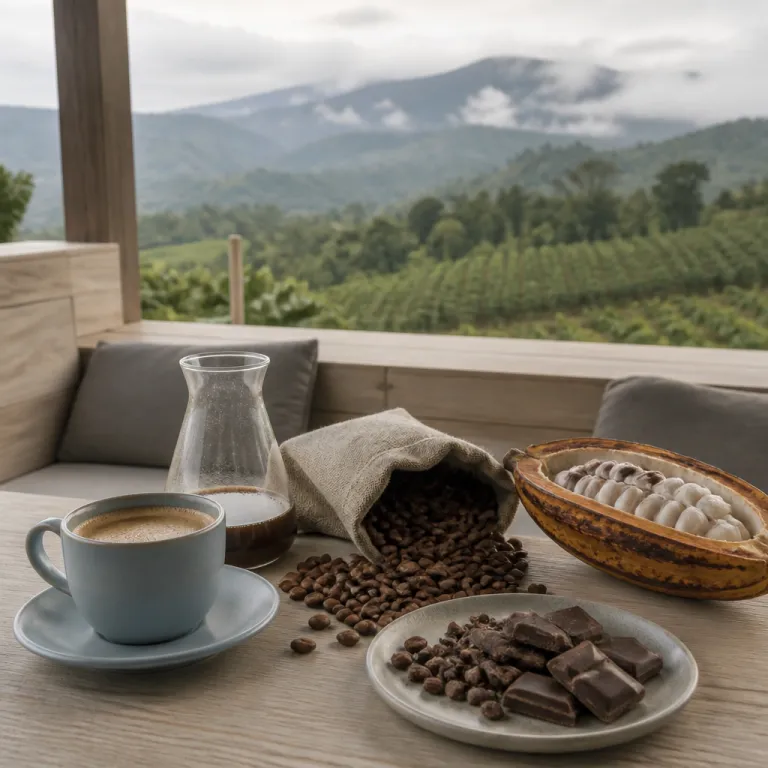
Why a Costa Rica coffee plantation luxury stay belongs on your itinerary
A Costa Rica coffee plantation luxury stay is no longer a side trip. It has become the kind of Costa Rican vacation that can anchor your entire travel plan, especially if you care about flavor, landscape and culture in equal measure. For solo travelers, these estates feel like a quiet farm inn where the conversation runs between you, the grower and the cup.
Across Costa Rica, from the cool Central Valley to the humid north, traditional coffee farm properties are evolving into full service hotel experiences. You still join a guided tour through the coffee plantation, but you also sleep in junior suites or master suites that open onto terraces with views of ripening cherries and distant volcanoes. The result is a Costa Rica coffee plantation luxury stay that feels both indulgent and deeply local.
This shift is part of a broader rise in agritourism, where visitors stay on working fincas to understand how food and drink are produced. The most interesting Costa Rican estates now pair organic coffee production with thoughtful hospitality, often serving dinner at a farm table restaurant that highlights what grows just metres away. As one grower near Naranjo told a recent guest, “If you can see it from your chair, it should be on your plate or in your cup.” One solo traveler from Toronto described her week on a hillside finca as “like living inside a coffee documentary, but with room service and a hammock,” a reminder that your hotel can become a living classroom for coffee culture rather than a generic base for day trips.
Dota Valley and Tarrazú: where altitude, flavor and hospitality meet
The Dota Valley, in the greater Tarrazú area of Costa Rica, is where the phrase Costa Rica coffee plantation luxury stay starts to feel literal. Here, steep hillsides above roughly 1,500–1,800 metres create slow ripening conditions that give Costa Rican coffee its bright acidity and layered sweetness. When you stay on a working coffee farm in this region, the altitude is not just a statistic but something you taste in every cup.
Santa María de Dota is home to the Coopedota Coffee Cooperative, a producer whose annual output is measured in tens of thousands of 46 kg export bags yet still feels resolutely local. According to Coopedota’s own reports, harvest typically peaks from November through February, when the valley turns red with ripe cherries. Guests who base themselves in a nearby inn or small luxury hotel can join morning tours of the cooperative’s processing facilities, then return to junior suites with floor to ceiling views of the Central Valley ridgelines. It is an ideal pattern for a Costa Rican vacation that balances technical coffee culture with slow afternoons on your terrace.
Coopedota’s tasting rooms make a strong case for treating Costa Rican coffee as a bucket list experience, not just a breakfast habit. You can cup different lots side by side, learning how altitude, varietal and processing change the profile of the same coffee cherry. One solo traveler described a washed versus honey process tasting as “the moment I finally understood why baristas talk about notes of citrus and panela.” Another guest recalled a microlot from Tarrazú as “smelling like orange blossom and cocoa nibs, then finishing with a clean, sugarcane sweetness.” For travelers who chase under the radar excellence, this region belongs on the same short list as the two Costa Rica hotels highlighted in hard to find award winning stays.
Finca stays near San José and the central valley: where architecture meets the bean
Closer to San José, a Costa Rica coffee plantation luxury stay often unfolds on historic estates that once belonged to coffee barons. These finca properties, scattered across the Central Valley, pair neoclassical mansions with working coffee farm operations that still harvest and process beans. You might check into an inn with just a handful of suites, then realise the master suite occupies what used to be the owner’s private salon.
One emblematic style is the Finca Rosa Blanca model, where architecture, art and agriculture are treated as a single narrative. Finca Rosa Blanca Coffee Farm & Inn, for example, sits about 25–30 minutes by car from San José’s international airport and is frequently cited in sustainable travel guides for its shade grown coffee and eco certifications. At a place inspired by Finca Rosa Blanca traditions, you wake in junior suites painted in soft rosa and blanca tones, step onto a balcony with views over shade grown coffee plantation rows, then follow a path down to the mill. The same property might host a farm table restaurant that serves organic coffee rubbed beef and garden vegetables under open beams.
These Central Valley hotels are particularly appealing if you are pairing a Costa Rican wedding or celebration with a Costa Rican vacation focused on coffee culture. Estate teams used to hosting events understand how to choreograph a farm table dinner, a cupping session and a ceremony without losing the sense of place. Mid range boutique fincas in this area often start around US$180–250 per night for junior suites, with master suites and private villas climbing higher in peak season. For a deeper look at logistics, the playbook in planning a luxury wedding in Costa Rica translates surprisingly well to planning a multi day coffee focused stay.
Upala, cacao and the northern farm inn rhythm
Travel north to Upala and the focus of your Costa Rica coffee plantation luxury stay shifts from cup to bar. Here, several organic cacao farms operate agritourism projects with thousands of trees, offering experiences that mirror the best coffee farm tours further south. One example is Finca La Anita Rainforest Ranch, which combines cacao cultivation with hands on chocolate workshops and simple lodge style accommodation. Guests stay in straightforward but comfortable suites or a master suite that looks over rows of cacao and secondary forest.
The daily rhythm at this kind of farm inn is quietly absorbing for a solo traveler. Mornings might start with a walk through the cacao and coffee plantation plots, learning how shade trees protect both crops and how indigenous traditions inform modern cultivation. Afternoons move into hands on workshops where you roast and grind cacao, then compare the sensory arc of bean to bar chocolate with the bean to cup Costa Rican coffee you tasted in Dota.
Upala’s location, away from the main San José to Pacific corridor, makes it ideal for travelers who prefer depth over checklist tourism. Driving time from the Central Valley is typically four to five hours, depending on road conditions, so many visitors choose to stay at least two or three nights. You are close enough to other northern highlights for day trips, yet far enough that nights remain quiet except for frogs and distant farm equipment. For many guests, this becomes the unexpected highlight of a Costa Rican vacation, the place where Costa Rican culture around cacao finally feels as vivid as its better known coffee culture.
How to choose and book your bean focused stay
When you compare options for a Costa Rica coffee plantation luxury stay, start with the harvest calendar. In Dota and the Central Valley, peak coffee harvest usually runs from late in the year into the first months of the next, while cacao in Upala can offer several smaller harvests spread across the seasons. If you time your Costa Rican vacation for these windows, your tours will include real picking, sorting and processing rather than only demonstrations.
Look closely at room categories, because the difference between junior suites and master suites can be more about immersion than square metres. A junior suite might sit closer to the main inn and table restaurant, ideal if you plan to socialise and join group activities. A master suite, often set slightly apart, can give you uninterrupted views over the farm and a quieter base for writing, reading or simply listening to the sounds of Costa Rican countryside nights.
Finally, pay attention to how each hotel integrates farm to table dining and education. Properties that run a true farm table restaurant will usually list seasonal menus, mention organic coffee or cacao from their own fields and describe specific workshops rather than generic “tours.” If you are flexible on dates, consider the so called green season, when wildlife activity peaks and rates soften, as outlined in this guide to green season solo travel.
FAQ
What is agritourism in the context of Costa Rican coffee and cacao ?
Agritourism in Costa Rica means staying on or visiting a working coffee farm or cacao finca to learn directly about cultivation, processing and tasting. Guests typically join guided tours, hands on workshops and structured tastings that explain how Costa Rican coffee and cacao move from plant to cup or bar. This style of travel supports local farmers while giving you a more grounded understanding of Costa Rican rural culture.
How can I book a coffee or cacao farm tour during my stay ?
The most reliable approach is to contact your chosen hotel or farm inn directly, as many estates manage their own tour schedules. You can also arrange visits through local tourism boards in regions like the Central Valley, Santa María de Dota or Upala, which maintain updated lists of participating farms. For a Costa Rica coffee plantation luxury stay, ask specifically about small group or private tours that match your level of interest.
Are coffee and cacao farm experiences suitable for children ?
Most coffee plantation and cacao farm tours in Costa Rica are family friendly, with shorter walking routes and interactive elements like fruit tasting or simple planting activities. Parents should check age recommendations and terrain descriptions, especially in steeper areas such as Dota Valley. If you are travelling with children, look for hotels that offer junior focused versions of tours alongside standard adult tastings.
What should I wear and bring for a day on the farm ?
Comfortable clothing, closed shoes and a light rain jacket are essential for both coffee farm and cacao finca visits, as weather can shift quickly. A reusable water bottle, sun protection and insect repellent will make walks through the fields more pleasant. Many guests also bring a small notebook to record tasting notes, turning their Costa Rica coffee plantation luxury stay into a personal reference for future purchases.
How do these stays support sustainable farming in Costa Rica ?
By choosing a Costa Rica coffee plantation luxury stay or cacao focused inn, you direct spending toward farms that often prioritise organic coffee, shade grown practices and fair labour conditions. Many estates partner with cooperatives and sustainable agriculture organisations, using agritourism revenue to stabilise income beyond volatile commodity prices. Your visit helps maintain landscapes where Costa Rican coffee, cacao and biodiversity can thrive together.