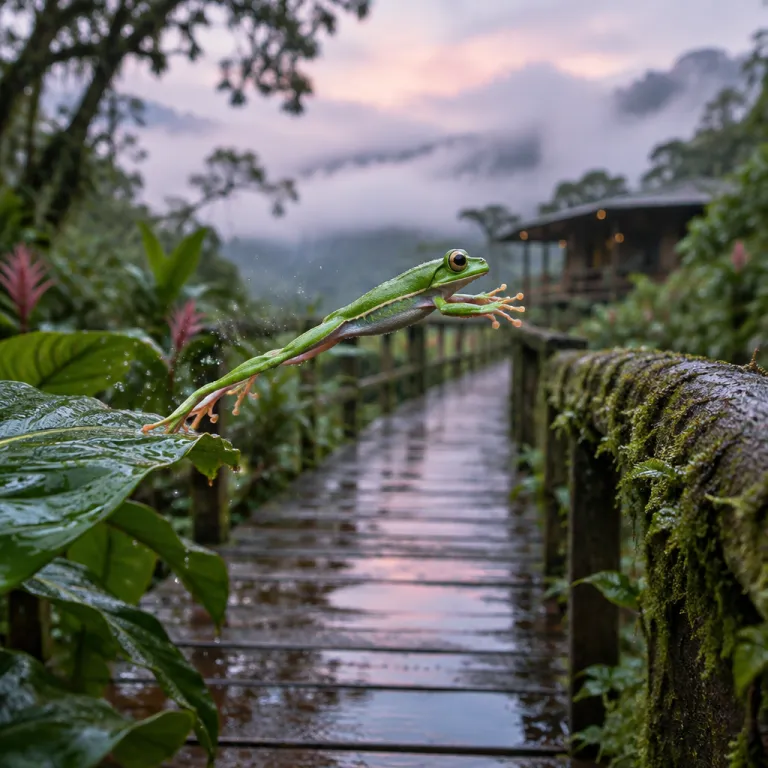
Why green season in July quietly becomes the best family time to visit Costa Rica
For many families planning a Costa Rica vacation, July in the green season is the quiet secret they share only after they return home. When the classic dry season crowds thin, national parks breathe again and guides finally have time to linger with your children at a trail’s edge. This can be the best moment to visit Costa Rica if your family cares more about wildlife encounters than about never seeing a drop of rain.
Across Costa Rica this is the month when the forest canopy deepens to an almost neon green and wildlife density rises in step with the humidity. Tourist numbers are lower, yet animals are often easier to spot: howler monkeys call longer at dawn, frogs chorus louder at night and guides on both the Pacific coast and the Caribbean side report richer sightings. ICT’s 2023 reports show July visitation to protected areas is roughly 20–30% lower than the December–March peak, so when you plan a family trip around July you are choosing a time to visit Costa Rica that favors intimacy with nature rather than poolside competition for loungers.
Families often ask whether visiting Costa Rica in the rainy season months is a gamble, but the pattern is surprisingly reliable. According to the Costa Rica Tourism Board (ICT), mornings along the Pacific coast and in the Central Valley are usually bright and clear, with rain building only by mid afternoon and often ending before dinner. That rhythm lets you schedule wildlife activities and soft adventure early, then retreat to a luxury hotel spa or kids’ club while the rain taps on the roof and the forest resets itself.
How July reshapes wildlife encounters for families
In July the green season rain subtly edits the script of every national park visit, and families benefit first. Cooler mornings mean more movement: sloths shift position, coatis patrol the trails and bird activity spikes in the canopy where your guide’s telescope becomes the star of the show. On a Costa Rica family vacation during July, every dawn walk can feel like a live nature documentary with front row seats.
Along the Pacific coast, rising river levels push crocodiles closer to accessible viewing points, making boat safaris feel both cinematic and controlled when handled by seasoned captains. In Tortuguero National Park on the Caribbean side, green sea turtles begin nesting on the dark sand beaches, and guided night walks balance strict conservation rules with awe for older children. The National System of Conservation Areas (SINAC) notes that the main green turtle nesting season here runs roughly from July through October, reassuring hesitant parents who wonder, “Is July a good time to visit Costa Rica for wildlife?”
Marine life follows its own green season choreography as humpback whales arrive along the Pacific coast and dolphins ride the bow waves of small boats. ICT and marine research groups indicate that the first humpbacks from the Northern Hemisphere may appear around July, with numbers increasing into August and September. When you time your visit for this specific month you give your family a chance to see both sea turtles and, with some luck, whales in a single itinerary, something the peak dry season rarely offers. As one Manuel Antonio guide likes to tell families, “July is when the ocean and the rainforest start talking to each other,” and for many children that double encounter becomes the memory that defines their entire Costa Rica story.
Manuel Antonio, Tortuguero and Corcovado: which national parks shine in July
Not every national park responds to the rainy season in the same way, so choosing the right mix is crucial for a July family itinerary. Manuel Antonio National Park on the central Pacific coast is the most obvious family choice, and in July it finally breathes after the dry season crush. ICT visitation statistics show a clear drop between the peak months of December–March and mid year, with some years seeing 25–35% fewer visitors in July, so trails feel calmer and guides can pause longer with your children to explain each troop of capuchins or each line of leafcutter ants.
For families willing to travel a little further, Tortuguero National Park on the Caribbean side becomes a once in a lifetime classroom. Boat channels thread through flooded forest where wildlife crowds the banks, and this is precisely when green sea turtles begin their nesting season on the long black sand beaches. SINAC data highlights July as the start of the most intense nesting window, with peak activity typically in August and September. The combination of guided boat excursions, short jungle hikes and carefully managed night walks makes Tortuguero one of the best national parks for older children who can handle late bedtimes and light rain; most local operators suggest a minimum age of about six to eight years for night turtle tours.
Corcovado National Park on the Osa Peninsula is the most intense green season adventure, and in July its wildlife density is extraordinary but logistics become more complex. SINAC requires advance permits and certified guides for entry, and some unpaved access roads can be affected by heavy rain, especially near Carate and Drake Bay. Families should work with expert operators who understand which ranger stations and trails are realistic for their children’s ages and fitness levels. If you want to weave cultural context into this wild corner of Costa Rica, pair your park days with a stay that supports indigenous experiences through a carefully vetted lodge or community based program rather than quick performance style visits.
When access issues matter more than the rain itself
Families often worry that the rainy season will cancel their plans, but the real issue is usually access rather than the rain itself. In the Central Valley and around Manuel Antonio the main roads are paved and resilient, so showers rarely disrupt transfers or short hikes. Remote corners of the Pacific coast and some Caribbean side backroads can be different, where swollen rivers or muddy tracks may limit last minute detours; for example, driving from San José to Drake Bay can take seven to eight hours in wet conditions, so many families opt for a short domestic flight instead.
That is why choosing the right luxury or premium hotel becomes part of your wildlife strategy during the green season months. Properties with their own trail networks, on site naturalist guides and boat docks into national parks turn a potential rain delay into a short, magical walk between showers. When you are visiting Costa Rica with children, the ability to pivot from a postponed zip line to a spontaneous frog spotting night walk on property is the kind of flexibility that defines the best time for relaxed parents.
For families who want a balanced July plan, consider one easily accessed park such as Manuel Antonio, one water based destination like Tortuguero and one flexible base in the Central Valley. This trio keeps transfer times reasonable while still touching both Pacific and Caribbean ecosystems in a single Costa Rica vacation. It also spreads your risk across different microclimates, which matters when regional weather patterns shift slightly from week to week.
Rain patterns, daily rhythm and how to plan family activities in July
The biggest misunderstanding about the rainy season in Costa Rica is that it rains all day, which is rarely true in July. Across much of the Pacific coast and the Central Valley the pattern is almost theatrical: clear blue mornings, clouds building after lunch, then two or three hours of rain before the sky opens again. Once you understand that rhythm, you can design a family friendly July schedule that works with the weather instead of fighting it.
Plan wildlife activities, guided hikes and boat safaris for the early hours when temperatures are lower and animals are most active, then reserve the mid afternoon rain window for long lunches, spa treatments, kids’ clubs or simply watching the forest from your terrace while the rain polishes every leaf to a deeper green. Evening often brings clear skies again, perfect for night walks where frogs, insects and nocturnal mammals take over the soundtrack of your Costa Rica vacation.
Sea turtles add another layer to this daily choreography, especially along the Pacific coast and in Tortuguero National Park. Green sea turtles and other species use the darker, cooler nights of the green season to nest, and SINAC identifies July as the beginning of one of the most important nesting windows on both coasts. When planning your family’s time near key nesting beaches, check local park regulations for red light requirements, maximum group sizes and mandatory guide use so children understand that responsible viewing protects the animals they have come to see.
Packing and pacing for a realistic green season day
Smart packing matters more than elaborate gear lists when you are visiting Costa Rica in July with children. Lightweight waterproof jackets, quick drying clothes and sandals that can handle both trails and hotel pools will serve your family better than heavy boots. A small daypack with snacks, a dry bag for phones and a simple camera or binoculars completes the kit for most national parks.
Guides across Costa Rica repeat the same three pieces of advice for green season families: pack waterproof clothing, plan activities for mornings to avoid afternoon rains and book tours in advance due to peak wildlife season. That last point surprises many parents, because while tourist numbers drop, demand for the best naturalist guides and small group departures remains high. If your July dates are fixed, reserve key activities such as Tortuguero boat tours or Manuel Antonio early entry walks six to eight weeks ahead, especially if you need limited walking distances or child seats in transfer vehicles.
Daily pacing should respect both the climate and your children’s energy levels, especially in humid national parks. Aim for one headline wildlife activity per day, then layer in shorter, low effort experiences such as hotel led birdwatching or chocolate tastings in the Central Valley. This approach keeps the adventure feeling rich without turning your rainy season month into a forced march through every trail on the map.
Luxury and premium hotels: green season value, real reviews and where to base your family
For luxury travelers the quiet secret of a July itinerary is simple: the forest gets louder while the hotels get calmer and more generous. Premium properties along the Pacific coast, especially in Guanacaste and the Papagayo Peninsula, routinely offer rate reductions compared with the peak dry season, according to ICT hotel occupancy reports that show lower average prices and higher availability from May through November. Resorts such as Four Seasons Papagayo and Andaz Papagayo, for example, often pair these lower rates with complimentary kids’ programs and family focused activities that turn rainy afternoons into creative playtime rather than cabin fever.
In Manuel Antonio, high end hotels with strong wildlife credentials become particularly attractive in the green season months. Properties set against the forested hillsides often have resident monkeys, sloths and toucans visible from balconies, meaning your family’s wildlife adventure continues even when a passing shower keeps you off the beach. When you read guest reviews for these hotels, look for comments about guide quality, trail access, shuttle frequency to the park entrance and how staff handle sudden rain rather than only focusing on room size.
The Central Valley, including areas around San José and coffee country, offers a different kind of luxury base for a Costa Rica itinerary. Here the climate is milder, the rain often lighter and access to both coasts is straightforward, making it an ideal first or last stop for families adjusting to the green season rhythm. Boutique haciendas near coffee farms, for example, can be reached in under an hour from the international airport and offer easy day trips to cloud forests, rafting rivers and cultural sites without long drives.
How to choose the right property mix for a July itinerary
When you are visiting Costa Rica in July, think of your hotel choices as part of your wildlife and weather strategy rather than just a place to sleep. Start with one strong Pacific coast resort that offers easy access to a national park, then add a smaller property closer to a turtle nesting beach or a cloud forest reserve. Finish with a night or two in the Central Valley to shorten your final travel day and enjoy cooler evenings before flying home.
Families who value privacy and space should pay close attention to room categories and layout when reading hotel reviews during the green season. Suites with separate living areas, connecting rooms and covered outdoor terraces become especially valuable when an afternoon rain shower keeps everyone indoors for an hour or two. The best time to secure these configurations at a favorable rate is precisely during the July low to shoulder season, when demand softens but service levels remain high.
Across Costa Rica the combination of fewer tourists, richer wildlife and more attentive service makes a July green season itinerary one of the most rewarding ways to experience the country. You trade a little predictable afternoon rain for quieter trails, more flexible guides and the chance to see sea turtles, whales and rainforest wildlife in a single trip. For families who measure luxury in memories rather than only in thread counts, that is an easy exchange to make.
FAQ: planning a green season family trip to Costa Rica in July
Is July a good time to visit Costa Rica with children?
July is an excellent time to visit Costa Rica with children who are interested in wildlife and do not mind some afternoon rain. National parks are quieter than in the dry season, guides have more time for questions and sightings of monkeys, birds and reptiles often increase. As ICT’s climate summaries put it, the weather in Costa Rica in July is generally warm with afternoon rains and lush landscapes, especially on the Pacific side.
What wildlife can families expect to see in July?
July sits at the heart of the green season, when wildlife activity peaks across many ecosystems. Families can often see monkeys, sloths, colorful birds and various frogs on guided walks in national parks such as Manuel Antonio, Tortuguero and parts of Corcovado. Coastal areas on the Pacific side may also offer chances to observe humpback whales offshore and sea turtles nesting on certain beaches, particularly in Tortuguero and at protected sites on the Nicoya and Osa Peninsulas.
How does the rain affect daily activities during a July trip?
Rain in July usually follows a pattern of clear mornings, building clouds after lunch and a few hours of showers in mid to late afternoon. This means most outdoor activities, from hikes to boat tours, are scheduled for the morning, while afternoons are ideal for pool time, spa visits or relaxed indoor activities. Evenings often clear again, allowing for night walks or dinners with open air views of the surrounding forest; many lodges provide rubber boots and umbrellas so families can move comfortably between buildings.
Which regions work best for a family itinerary in July?
For a balanced July itinerary, combine the Central Valley with at least one Pacific coast destination and, if possible, a Caribbean side experience. The Central Valley offers milder temperatures and easy logistics, while the Pacific coast provides beaches and access to parks like Manuel Antonio or Marino Ballena. Tortuguero on the Caribbean side is particularly rewarding in July for families interested in sea turtles and canal based wildlife viewing, with most visitors reaching it via a short domestic flight or a four to five hour land and boat transfer from San José.
Do we need to book tours and hotels far in advance for July?
While overall tourist numbers are lower in the green season, the best guides, small group tours and family friendly room categories can still sell out. It is wise to reserve key activities such as Tortuguero boat tours, Manuel Antonio early entry walks and any sea turtle nesting excursions several weeks ahead. Booking premium hotels four to eight weeks in advance also helps secure connecting rooms or suites that work better for families during this season, especially if you are traveling over local school holidays in early July.
Trusted references for further planning
Costa Rica Wildlife: A Complete Guide by Rough Guides
Costa Rica Tourism Board (Instituto Costarricense de Turismo, ICT)
National System of Conservation Areas (Sistema Nacional de Áreas de Conservación, SINAC)