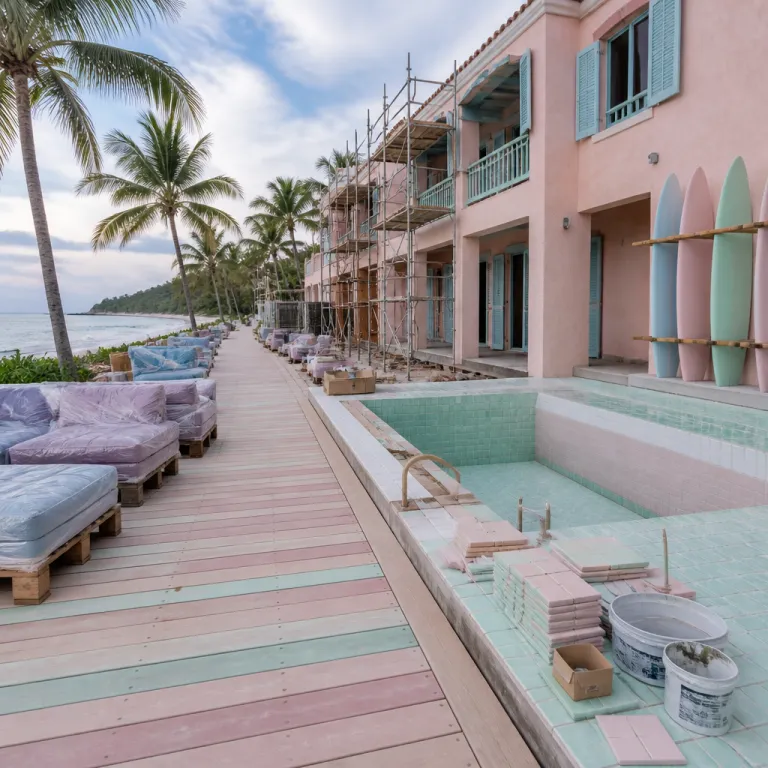
From backpacker breaks to quiet luxury surf retreats
On Costa Rica’s Pacific coast, the old backpacker surf camp has grown up. A new wave of properties treats every surf session as a curated, high-comfort experience, where the sound of waves replaces lobby music and the dress code is salt on sun-warmed skin. Couples arrive for a luxury surf retreat in Costa Rica and leave speaking quietly about tides, reef breaks, and the way the water resets their days.
This quiet luxury trend is reshaping how surfers and non-surfers share the same retreat without compromise. At its core is a belief that surf, yoga, and slow farm-to-table dining belong together in one inclusive surf rhythm, not scattered across different venues and rushed transfers. Morning surf sessions at the right level for each guest flow into daily yoga, then long dinners where the best stories are told with bare feet in the sand.
According to the Costa Rican Tourism Institute (ICT), international arrivals surpassed 2.3 million visitors in 2023, with steady growth concentrated along the Pacific coast (ICT, “Tourism Figures 2023”). Much of that energy now gathers around refined surf lodges rather than party hostels. Properties invest in sustainable architecture and local materials, proving that a surf resort can feel both indulgent and grounded in pura vida values. For couples, this means a retreat where one partner can chase powerful waves while the other leans into spa rituals, yoga retreat programs, or simply the luxury of an unhurried day.
In this landscape, the phrase “What is quiet luxury?” has a precise answer: “Subtle, understated luxury emphasizing quality and exclusivity.” Costa Rica is popular for luxury tourism for clear reasons: “Natural beauty, sustainability focus, and high-end accommodations.” When you add consistent surfing conditions, warm water, and a coastline of uncrowded surf breaks, the equation becomes irresistible for travelers seeking both romance and adrenaline.
For planners comparing surf camps, the shift is obvious in how surf lessons are framed. Coaching is no longer a loud group affair but a private or semi-private surf coaching experience, often supported by video analysis and careful safety briefings. These surf coaching programs respect every level of surfers, from first-timers to advanced guests refining their timing on heavier Costa Rica reef breaks.
Many of the best properties now treat surf yoga as a single discipline, not two separate activities. A typical day might start with pre-dawn surf yoga stretching, move into a two-hour surf camp style session, then close with restorative daily yoga as the sky turns pink. Couples who once worried that a surf-focused trip would feel like a camp now find a retreat where luxury, surfing, and wellness share the same calm vocabulary.
Nantipa in Santa Teresa: design forward surf resort for couples
Santa Teresa has become the poster child for Costa Rica’s quiet luxury surf evolution. Once a dusty road lined with board rentals and basic surf camps, it now hosts Nantipa Hotel, a refined surf resort that still keeps its toes in the sand. The property sits on a prime stretch of Santa Teresa Beach, close enough to consistent surf breaks that you can time your surf sessions from the breakfast table.
Nantipa’s architecture leans into natural materials and low-slung lines that frame the Costa Rican horizon rather than dominate it. The hotel offers just over 40 keys between suites and bungalows, as confirmed by the property’s published room count, so the scale stays intimate even in high season. Suites feel like private cocoons, with plunge pools, outdoor showers, and shaded decks that make rinsing off after surfing feel indulgent rather than functional. For couples, this balance of privacy and proximity to the waves turns a simple surf camp idea into a fully fledged high-end surf retreat in Costa Rica.
The hotel’s team understands that not every guest arrives as a confident surfer. They arrange tailored surf lessons with local surfers who know each sandbar and reef, matching coaching intensity to each guest’s level. One partner might book a private surf coaching session with video analysis at the La Lora break, while the other joins a gentle yoga retreat style class under the palms.
Days at Nantipa follow a surf wellness cadence that feels almost musical. Early surf sessions chase glassy waves before the wind rises, followed by slow breakfasts and perhaps a mid-morning walk into Santa Teresa town. Afternoons might bring daily yoga, spa treatments, or simply watching surfers thread the sets while you linger by the pool with a book.
For couples planning a longer Costa Rica itinerary, Nantipa pairs well with inland stays near San José or cloud forest lodges. You can land in San José, spend a night adjusting to the pace, then transfer by road or small plane to Santa Teresa; door-to-door, most couples arrive in roughly four to six hours depending on connections. Those considering a destination celebration can borrow planning strategies from guides on luxury event logistics in Costa Rica, then adapt them to coordinate group surf camps or multi-day surf yoga gatherings.
Quiet luxury here also means a lighter footprint on the coastline. Nantipa’s use of local materials and engagement with nearby communities reflects Costa Rica’s broader commitment to sustainable tourism, where surf tourism growth is measured against environmental impact. Guests feel this in small details, from refillable water stations to menus that highlight regional produce rather than imported excess.
Reviews posted on Google and comments posted on Tripadvisor often highlight the same trio of strengths. Travelers praise the quality of surf lessons, the serenity of daily yoga, and the way staff anticipate needs without hovering. One guest review from March 2024 summed it up simply: “We came for the waves and stayed for the way everyone made us feel at home.” For couples used to large branded resorts, Nantipa offers a more intimate retreat where pura vida feels like a lived philosophy rather than a slogan on a T-shirt.
Lamangata and the rise of surf wellness enclaves
Further down the coast, Lamangata signals how far Costa Rica’s surf towns have come. Conceived as a high-end residential style development rather than a traditional surf camp, it treats the ocean as both playground and meditative space. Suites and residences are designed so that the first thing you see each day is the coastline of waves folding toward shore.
Lamangata has already drawn attention from international editors tracking the quiet luxury trend. Its personalized surf coaching, organic dining, and restrained architecture earned it a place among Oprah Daily’s 2024 Hotel O-wards, a recognition that matters to travelers who read between the lines of glossy lists. For couples, that accolade translates into confidence that the retreat will deliver both serious surfing and serious comfort.
Here, surfing is framed as a wellness practice rather than a bragging right. Guests might start with a gentle surf yoga warm up, then head into the water with coaches who use video analysis to refine stance, timing, and reading of the waves. After surf sessions, the day slows into long lunches built around local produce, followed by massages or quiet time on shaded decks.
The inclusive surf philosophy at Lamangata is especially appealing for mixed-ability couples. One partner can join advanced surf coaching focused on heavier reef breaks, while the other opts for smaller waves, a yoga retreat class, or a guided nature walk. Both return to the same table at dinner, trading stories from different sides of the same Costa Rica day.
Green season, from roughly July through October, is when Lamangata and similar surf resorts come into their own. Swells are more consistent, water stays warm, and hotel rates often soften, creating one of the best value windows for an upscale surf and yoga holiday in Costa Rica. Lineups thin out, meaning more waves per surfer and a calmer atmosphere that suits couples seeking space rather than scene.
Travelers curious about how under-the-radar properties earn serious accolades can look to analyses of Oprah level hotel awards in Costa Rica. Lamangata fits that pattern: small scale, design conscious, and deeply rooted in its landscape. It shows how quiet luxury can coexist with surf camps, elevating the experience without erasing the local surf culture that made these towns magnetic in the first place.
As with Nantipa, Lamangata’s approach aligns with Costa Rica’s broader goals of supporting local communities and protecting the environment. Sustainable architecture, local artisans, and eco-friendly construction methods are not marketing extras but structural choices. For guests, this means every retreat day carries a little less guilt and a little more pura vida, whether they spend it chasing waves or reading by the pool.
Nosara, green season strategy, and how to book smart
Nosara tells a different chapter of Costa Rica’s surf story. Once known mainly as a yoga backpacker enclave, it has evolved into a design-forward destination where surf resorts and refined surf camps share the same dusty roads. Properties like The Gilded Iguana and newer design hotels signal a shift from hammocks and shared dorms to polished suites and curated surf lessons.
This evolution has not erased Nosara’s yoga retreat roots. Instead, daily yoga schedules now sit alongside structured surf coaching, with some programs borrowing from the precision of operations like Surf Simply, which helped define data-driven coaching in the region. Couples can book packages that blend surf sessions, surf yoga, and wellness treatments, ensuring that both the surf-obsessed and the yoga-focused partner feel equally considered.
Green season is the insider’s window for a luxury surf retreat Costa Rica itinerary that stretches the budget without sacrificing quality. From July to October, Pacific swells become more reliable, and water temperatures stay inviting for long surf sessions. At the same time, occupancy drops, giving couples more space in the lineup and more leverage when choosing between surf camps, surf resorts, and hybrid properties.
For travelers who care about conservation as much as comfort, green season also aligns with peak wildlife activity. Guides to green season wildlife density and conservation minded travel explain why this period matters for ecosystems. Pairing that knowledge with a surf-focused trip means your retreat day might include both a dawn surf and an afternoon turtle nesting walk.
When comparing options in Nosara, Santa Teresa, or emerging enclaves like Dominical, pay attention to how each property structures its surf and yoga offerings. The best places clearly outline surf levels, coach-to-surfer ratios, and whether video analysis is included, rather than hiding behind vague promises of “world-class waves.” Look for mentions of reviews posted on Google or feedback posted on Tripadvisor that reference specific surf coaching experiences, not just general praise.
Logistically, many couples will route through San José before heading to the coast. From San José, domestic flights and private transfers connect efficiently to Nosara and Santa Teresa, turning what once felt like an expedition into a smooth half-day journey. Typical flight times from the capital to coastal airstrips hover around 40 minutes, with road transfers adding one to three hours depending on the town. A sample itinerary for two might include a private transfer from San José to Nosara starting around US$250–300 each way, or a short domestic flight plus taxi for a similar total, with higher rates during holiday peaks.
Across these towns, one constant remains: the quiet luxury takeover has not dulled the raw appeal of Costa Rica surf culture. You still rinse sand from your feet before dinner, still fall asleep to the sound of waves, still feel the tug of the tide on your schedule. The difference now is that your retreat comes with high thread count sheets, thoughtful coaching, and a sense that pura vida is being protected, not packaged.
FAQ
What is quiet luxury in Costa Rica’s surf towns ?
Quiet luxury in Costa Rica’s surf towns means understated, high-quality hospitality that prioritizes space, privacy, and thoughtful design over flashy displays. Properties like Nantipa and Lamangata focus on small-scale suites, personalized surf coaching, and daily yoga rather than loud entertainment. The result is a retreat where surfing, wellness, and dining feel calm and intentional, ideal for couples who value both comfort and authenticity.
Why is Costa Rica popular for luxury surf retreats ?
Costa Rica combines warm water, consistent waves, and a strong sustainability ethos, making it a natural fit for luxury surf retreats. The country’s focus on eco-friendly development allows surf resorts and surf camps to offer high-end experiences without overwhelming the coastline. Travelers also appreciate the ease of access via San José and the range of towns, from Santa Teresa to Nosara, that now offer refined surf and yoga programs.
What activities are available in Santa Teresa besides surfing ?
Santa Teresa offers far more than surfing, which is why it works so well for couples with different interests. Guests can join yoga retreat classes, book spa treatments, ride horses along the beach, or explore nearby nature reserves on guided hikes. Many properties also organize farm-to-table dinners, sunset cruises, and cultural excursions that showcase local food and music.
When is the best time for a luxury surf retreat in Costa Rica ?
The best time depends on your priorities, but green season from July to October offers a compelling balance for many couples. Swells are generally more consistent on the Pacific side, water stays warm, and hotel rates often drop compared with peak dry season. This period also brings fewer crowds in the lineup and richer wildlife activity, making it ideal for a surf wellness retreat that includes nature excursions.
How far are Costa Rica’s surf towns from San José ?
Most major surf towns are reachable from San José within half a day, depending on your chosen transport. Santa Teresa typically requires a combination of road and ferry or a short domestic flight, while Nosara is accessible by road or small plane from the capital. Many luxury surf resorts and surf camps can arrange private transfers, simplifying the journey for couples arriving on international flights.