From carbon neutral to regenerative: how far can a hotel really go ?
In Costa Rica, almost every luxury hotel now speaks fluently about sustainability and eco friendly practices. Many properties highlight carbon neutral operations, but carbon neutral usually means offsetting emissions elsewhere rather than transforming the land beneath your feet. For a genuinely regenerative tourism Costa Rica hotel or eco lodge to be credible, it must move beyond maintenance and actively repair ecosystems on its own finca and in surrounding areas, ideally with data that can be checked against government or NGO reports or summarized in public impact updates.
Think of the spectrum this way ; sustainable tourism aims to keep natural resources intact, while regenerative tourism focuses on measurable ecological and social development that leaves places healthier. A carbon neutral hotel might invest in distant tree planting, whereas a regenerative lodge in Costa Rica restores degraded farm land, protects water sources and funds wildlife monitoring in nearby cloud forest corridors. When you plan your travel, ask whether the resort can show concrete data on hectares restored, species returning and jobs created for local communities, and whether those figures align with published conservation plans, municipal land use reports or corridor management documents that can be consulted on request.
The Cubujuqui Interurban Biological Corridor, which recorded 2 366 birds from 183 species in a 2022 census coordinated by local ornithologists and the corridor committee, shows how urban conservation can work when tourism, local government and residents collaborate. That census, summarized in the corridor’s 2022 monitoring report held by the committee and municipal environment office, is often cited by local NGOs as evidence that coordinated action can reverse biodiversity loss in built up areas. Costa Rica’s national corridor network now links fragmented habitats across multiple cantons, and the most serious eco lodges align their land management with these biological highways by referencing official corridor maps and monitoring protocols. A truly regenerative hotel in Costa Rica will acknowledge these corridors, not just generic sustainability, because its finca, trails and water systems are part of a living landscape rather than an isolated resort.
The hotel that plants more trees than rooms: why it matters in Drake Bay
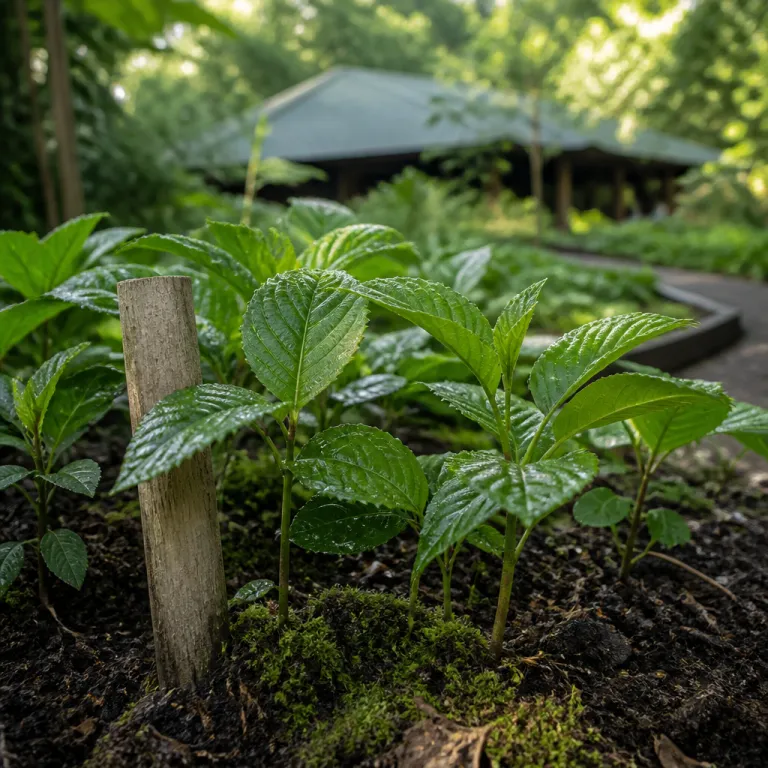
On the Osa Peninsula, a small eco luxury resort in Drake Bay has become a quiet benchmark for regenerative travel. Copa de Arbol operates with only nine rooms yet has planted more than one thousand native trees on and around its coastal land since 2010, a ratio that reframes what luxury tourism can mean in Costa Rica and can be cross checked with local reforestation partners and the lodge’s internal planting logs, which are periodically shared in community presentations. This is not a marketing flourish ; it is a long running habitat restoration program that predates the current wave of regenerative tourism branding and is documented in project summaries kept by the owners and collaborating conservation groups.
The resort is accessible only by boat, which immediately limits road building and reduces pressure on fragile coastal ecosystems and water courses. Tree planting, habitat restoration and the use of eco friendly materials are woven into daily operations, not sold as occasional guest activities, and the owners work with environmental organizations, government agencies and local communities to align their finca level projects with wider conservation goals such as corridor connectivity and watershed protection. When a regenerative style Costa Rican eco resort behaves like this, it becomes part lodge, part living laboratory for sustainable development in a region where cattle farms once cleared much of the forest and where conservation NGOs now track forest cover change with satellite imagery and publish those findings in regional land use reports.
For travelers comparing eco lodges on the Osa Peninsula, the question is not whether a hotel is green but how its regenerative actions show up in the landscape and in Costa Rican community life. Some properties, such as Lapa Rios or Rancho Pacífico, invite guests to join guided walks that explain reforestation plots, wildlife corridors and water protection zones in detail, often sharing monitoring results from camera traps or bird counts summarized in annual conservation updates. Others, including Copa de Arbol, keep the conservation work mostly behind the scenes, but the shade of young trees, the return of birds and the stability of the soil under your feet tell their own story about what regenerative tourism really looks like when measured over years rather than marketing seasons.
How to read between the lines of sustainability claims
When you browse a luxury hotel website, the sustainability page often feels interchangeable, whether the property sits in the cloud forest or on a surf beach. Many Costa Rican resorts now mention sustainable tourism, eco certifications and carbon neutral goals, yet very few explain how their regenerative development actually changes the land they occupy or link to baseline studies that document those changes. To evaluate a regenerative tourism Costa Rica hotel or eco retreat, you need to look for specific, verifiable outcomes rather than poetic language about pura vida, and for references to monitoring reports, municipal plans or conservation corridor strategies that can be independently consulted through local authorities or NGOs.
Start with water, energy and waste, because these are the foundations of any serious eco strategy in Costa Rica. Ask whether the hotel tracks consumption per guest night, how it treats grey water before releasing it back into local rivers and whether it sources electricity from Costa Rica’s largely renewable grid or from on site solar systems, and whether those figures are audited or at least reported annually in sustainability summaries. Then move to biodiversity and community impact ; a regenerative lodge should be able to show how many hectares of former farm land it has reforested, how many Costa Rican staff it employs from nearby villages and how its purchasing supports local farms and fisheries, ideally with multi year data that can be compared with regional development indicators or local government statistics.
Independent certifications can help, but they are not all equal, so pay attention to the details behind labels like CST, Costa Rica’s Certification for Sustainable Tourism, which is periodically updated by the tourism board and environmental agencies. A property that treats CST as a baseline and then publishes its own data on forest cover, species counts and community employment is more likely to be genuinely regenerative, especially if it cites collaborations with recognized NGOs or local associations and can point to joint project reports. For a deeper look at how national policy shapes hotel operations, read this analysis of Costa Rica’s renewable electricity and its impact on hotels, then use that context to question whether your chosen resort is simply compliant or truly ambitious.
Where regenerative hospitality feels real: from cloud forest to Pacific waves
Costa Rica’s most convincing regenerative stays are scattered across very different landscapes, from mist wrapped ridges to turtle nesting beaches. In the Monteverde region, Hotel Belmar has evolved from a traditional mountain hotel into a leader in sustainable tourism, with its own farm to table program, on site reforestation and a strong focus on protecting the surrounding cloud forest documented through long term partnerships with local conservation groups. The property’s finca produces coffee, vegetables and herbs, while its trails connect guests to conservation corridors that link private land with protected reserves and form part of regional biological connectivity plans discussed in local environmental forums.
Nearby, Hidden Canopy and other eco lodges in the highlands show how small scale properties can integrate regenerative principles into every aspect of design and service. For a detailed perspective on this style of elevated hospitality, explore this elegant guide to a Monteverde cloud forest retreat and note how the architecture, water management and trail systems all respond to the forest rather than dominate it, echoing best practice guidelines from Costa Rican environmental authorities. When a regenerative tourism Costa Rica hotel operates in the cloud forest, the real luxury is often the dawn walk with a naturalist who knows where the quetzals feed, not the thread count on the bed, and those guides frequently contribute their observations to citizen science databases or local bird monitoring projects.
On the Pacific coast, properties such as Cala Luna, Olas Verdes and Lapa Rios translate regenerative ideas into beach and rainforest settings where tourism pressure is intense. Cala Luna works closely with local communities in Guanacaste on sea turtle protection and coastal reforestation, while Olas Verdes in Nosara integrates surf culture with low impact design and strong support for Costa Rican staff, often sharing impact summaries with guests in welcome materials. Lapa Rios and Rancho Pacífico on the Osa Peninsula go further, protecting large tracts of primary and secondary forest, funding wildlife research and treating their lodges as anchors for long term ecosystem recovery rather than isolated resorts, in line with regional conservation corridor objectives and local management plans.
Community, farms and corridors: the human side of regenerative stays
Regenerative travel in Costa Rica is as much about people as it is about trees and wildlife. A hotel that restores forest but sidelines local communities is not truly regenerative, because long term conservation depends on livelihoods as much as on land protection, a point repeatedly emphasized in national sustainable tourism strategies and regional development plans. When you evaluate a regenerative tourism Costa Rica hotel, look closely at how it works with nearby villages, farms and schools, and whether those relationships are described with dates, partner names and measurable outcomes rather than vague references to donations.
Properties such as Finca Rosa Blanca near San José and Finca Luna Nueva in the northern lowlands offer useful case studies in community centered sustainable tourism. Finca Rosa Blanca combines organic coffee production with art, education and fair employment, while Finca Luna Nueva and its sister project Finca Luna Nueva Farm experiment with regenerative agriculture that improves soil health, water retention and biodiversity, drawing on methods promoted by international agroecology networks. These lodges invite guests to walk the fields with agronomists, taste farm grown produce and understand how regenerative development can turn a conventional farm into a resilient ecosystem, with soil tests, yield records and biodiversity surveys providing evidence of change that can be reviewed on site.
Across the country, eco lodges are also investing in conservation corridors that connect their land with national parks and biological reserves. The Cubujuqui Interurban Biological Corridor’s bird census, which recorded 2 366 individuals from 183 species in a single 2022 survey, demonstrates how coordinated action between tourism operators, residents and authorities can transform fragmented urban areas into viable habitat when guided by a formal corridor management plan available through the corridor committee. When a hotel supports such corridors through land donations, funding or staff time, and can point to corridor committee minutes, municipal agreements or joint project reports, it shifts from being a passive beneficiary of Costa Rica’s nature to an active partner in its regeneration.
Your role as a guest: how to support regeneration without green fatigue
Travelers sometimes feel overwhelmed by sustainability messaging, especially when every hotel claims to be eco friendly and responsible. The beauty of a genuinely regenerative tourism Costa Rica hotel or eco resort is that it does most of the heavy lifting behind the scenes, allowing you to enjoy your stay while knowing your presence contributes to positive change that can be traced in monitoring reports and community feedback. Your task is not to become an auditor, but to ask a few sharp questions and choose properties whose answers are specific rather than vague, and whose claims can be cross referenced with public information or partner organizations.
Some resorts invite guests to participate directly in conservation, from tree planting on former cattle land to wildlife monitoring walks with local biologists who submit their data to national databases. Others focus on quiet, systemic work such as restoring riparian zones, financing community water projects or supporting carbon neutral transport options for staff and visitors, documenting progress in annual sustainability summaries or CST audits. Both models can be valid, as long as the outcomes are measurable and the benefits for local communities are clear, whether you are staying at a coastal resort, a mountain lodge or a small eco retreat on the Osa Peninsula.
When you read a sustainability page, look for numbers, not adjectives ; hectares reforested, percentage of Costa Rican staff, volume of water treated and reused, or years of partnership with local schools and conservation groups, ideally with dates and references to external programs. Pay attention to how often the hotel mentions regenerative tourism, sustainable tourism and regenerative travel in relation to concrete actions rather than as loose marketing terms. And remember the expert reminder that anchors this whole conversation ; “What is regenerative tourism?” “Tourism that leaves destinations better than before.” “Why choose eco-luxury resorts?” “Combines comfort with environmental responsibility.” “How does tree planting help?” “Enhances biodiversity and combats climate change,” especially when those benefits are tracked through long term monitoring and summarized in accessible reports.
Key figures that define regenerative hospitality in Costa Rica
- The Cubujuqui Interurban Biological Corridor recorded 2 366 birds from 183 species in a single 2022 census, confirming that well designed urban and peri urban corridors can sustain significant biodiversity when tourism and residents collaborate on habitat protection under a shared management plan documented by the corridor committee and municipality.
- Copa de Arbol in Drake Bay operates with only nine rooms yet has planted more than one thousand native trees since 2010, illustrating how a small eco resort on the Osa Peninsula can have an outsized impact on forest regeneration compared with larger coastal hotels, especially when plantings are documented with partner organizations and internal logs that can be reviewed by visitors.
- Costa Rica’s national network of biological corridors now connects fragmented ecosystems across multiple cantons, meaning that land managed by eco lodges, farms and resorts often forms critical stepping stones between protected areas for birds, mammals and pollinators, as reflected in official corridor maps and policy documents held by the National System of Conservation Areas.
- Properties aligned with CST, Costa Rica’s Certification for Sustainable Tourism, are required to track indicators such as energy use, water management and community engagement, creating a baseline from which genuinely regenerative hotels can set more ambitious, measurable targets and publish periodic progress reports or impact dashboards.
- Tree planting programs linked to regenerative tourism projects, including those on former cattle land near lodges and fincas, contribute both to local biodiversity gains and to broader climate goals by increasing carbon sequestration in recovering forests, a benefit recognized in national climate strategies and reforestation plans.
Frequently asked questions about regenerative hotels in Costa Rica
What is the difference between sustainable and regenerative tourism in Costa Rica ?
Sustainable tourism in Costa Rica focuses on maintaining natural and cultural resources, aiming to minimize negative impacts from hotel operations and travel. Regenerative tourism goes further by actively restoring ecosystems and strengthening local communities, for example through reforestation, soil regeneration on farms and long term support for conservation corridors that appear in national connectivity plans. A regenerative tourism Costa Rica hotel will usually publish data on land restored, species protected and community benefits, rather than only describing eco friendly practices, and may reference external studies or monitoring reports that document those outcomes.
How can I tell if a hotel’s regenerative claims are credible ?
Look for specific numbers and projects rather than broad promises about sustainability or carbon neutral operations. Credible properties explain how many hectares they have reforested, how they manage water and waste, how many Costa Rican staff they employ and which local communities or conservation groups they partner with, often naming those partners and the year collaborations began. Independent certifications such as CST help, but the strongest sign is transparent reporting on long term ecological and social outcomes that can be compared with regional conservation or development goals and, where possible, verified through external documents.
Are regenerative eco lodges more expensive than regular resorts ?
Rates at regenerative eco lodges in Costa Rica often sit in the same range as other luxury or premium hotels, but the value proposition is different. You are paying not only for comfort and service, but also for the lodge’s investment in land restoration, community development and sustainable tourism infrastructure that align with national climate and biodiversity commitments. For many travelers, knowing that their stay funds reforestation, wildlife protection and fair employment justifies choosing these properties over conventional resorts.
Do I need to participate in conservation activities during my stay ?
Participation is optional, and a serious regenerative tourism Costa Rica hotel will not pressure guests into tree planting or monitoring walks if they prefer to relax. Some travelers enjoy joining farm tours, wildlife surveys or beach cleanups, while others support regeneration simply by choosing a property that invests heavily in behind the scenes projects and reports on them publicly. The key is that the hotel’s regenerative work continues regardless of guest participation, ensuring long term benefits for ecosystems and local communities.
Which regions of Costa Rica are best for regenerative travel experiences ?
Regenerative travel opportunities exist across Costa Rica, but certain regions stand out for their concentration of eco lodges and conservation projects. The cloud forest areas around Monteverde, the Osa Peninsula with its dense rainforest and the Pacific coast near turtle nesting beaches all host hotels that integrate land restoration, water protection and community partnerships into their operations, often in coordination with corridor committees or marine conservation initiatives. When planning your itinerary, consider combining a highland lodge, a coastal resort and a farm based stay to experience different facets of regenerative hospitality and see how national sustainability policies translate into local practice.