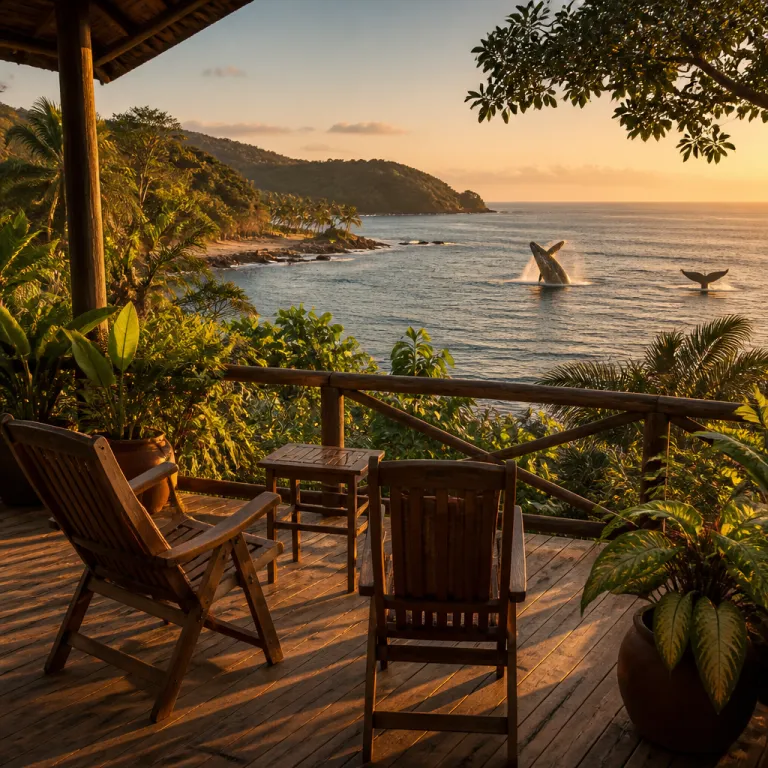
Designing a costa rica whale watching luxury hotel itinerary around the migration
On Costa Rica’s Pacific coast, humpback season quietly reshapes the rhythm of travel. The Southern Hemisphere humpback whales leave Antarctica and arrive along the Costa Rica shoreline in mid July, turning a simple hotel choice into the backbone of a wildlife focused itinerary. For couples planning an upscale Costa Rica whale watching escape, the migration window becomes the organizing principle rather than a pleasant surprise.
Two distinct humpback seasons define whale watching in Costa Rica, with Northern Hemisphere whales visiting roughly from December to April and Southern Hemisphere humpback whales arriving from July to October. The best time for near daily sightings of whales and dolphins along this coastline is August and September, when whale watching tours often report success rates strong enough to justify building your entire trip around the Costa Rica whale migration. During this peak season, the most coveted hotels sit within minutes of the marina, where each day begins with a short walk from your suite to the waiting tour boat.
Planning a Costa Rica whale watching luxury hotel escape means thinking like a naturalist rather than a resort catalog reader. You are not only choosing a hotel; you are choosing your vantage point on humpback whales, dolphins, and the wider wildlife of the Pacific coast. The smartest couples map their route from San José to Uvita, then down to the Osa Peninsula and Drake Bay, aligning each stay with the best whale watching tour options, the right season dates, and enough time between boat tours to actually enjoy the property.
Uvita and Marino Ballena national park: the whale watching epicenter
Uvita is where a Costa Rica whale watching luxury hotel stay becomes almost clinical in its precision. Marino Ballena National Park, named for the whale and famous for its Whale Tail sandbar, sits just offshore, and during the Southern Hemisphere season the bay fills with humpback whales and playful dolphins. When you check availability here, you are really checking your proximity to the launch point for some of the best whale watching tours in the country.
From mid July, first whale sightings begin to dot the local tour reports, but August and September are when Uvita truly earns its reputation as the best time and place for whale watching Costa Rica wide. Operators such as Bahia Aventuras and other licensed Marino Ballena guides run multiple tours per day, and the combination of humpback whale mothers, calves, and passing dolphins creates a dense concentration of wildlife rarely matched elsewhere on the Pacific coast. Local captains often describe these months as the period when “if conditions cooperate, most outings see whales at least once.”
For couples, the ideal hotel in Uvita pairs elevated ocean view suites with fast access to the marina and the national park. Look for properties that coordinate small group whale watching tours, use eco friendly boats, and employ guides who can explain the behavior of humpback whales, whales and dolphins, and the occasional dolphin whale encounter in calm, precise English. If you are planning a longer Costa Rica itinerary that includes family or multigenerational travel, you can pair this Uvita stay with more expansive resort style properties highlighted in this guide to Costa Rica family travel in style, then return to Uvita when the migration season peaks.
Drake Bay and the Osa Peninsula: remote luxury for serious whale watching
Further south, Drake Bay on the Osa Peninsula offers a different expression of the Costa Rica whale watching luxury hotel experience. Here the jungle leans directly into the Pacific coast, and the number of boats on the water remains low even during peak season. For couples who value quiet over a long list of amenities, this peninsula is where the migration feels most intimate.
Drake Bay’s position near the mouth of the Golfo Dulce and the wider Osa Peninsula means whales along the Costa Rica coast often pass close to shore, with humpback whales and pods of dolphins using these calm waters for resting and nursing. A local whale and dolphin celebration in Drake Bay each early September turns the village into a small, focused gathering of marine wildlife enthusiasts, yet even then the whale watching tours retain a low key, conservation led tone. Many of the best tour operators here, including long established local outfits, run combined dolphin whale excursions, where you might spend one day with humpback whales and the next tracing the movements of resident dolphins.
Luxury hotels in Drake Bay tend to be smaller, with steep paths, private decks, and direct access to the water rather than polished lobbies. This is not the place for a Papagayo style golf course; it is the place where your guide points out a humpback from the breakfast terrace before you even board the boat. Boutique lodges such as Aguila de Osa or Copa de Arbol illustrate this style of remote comfort. If you like the idea of pairing this raw Pacific energy with more understated surf town properties, look at the quiet luxury addresses featured in this piece on the quiet luxury takeover of Costa Rica’s surf towns, then return south when the migration season calls.
From Manuel Antonio to Papagayo: choosing your Pacific coast vantage point
Not every Costa Rica whale watching luxury hotel stay needs to be anchored in the deep south. Manuel Antonio, with its compact national park and polished hospitality scene, offers a more accessible base for couples who want both wildlife and refined dining. From here, whale watching tours operate along the central Pacific coast, where whales and dolphins still pass in season, though sightings are less concentrated than in Uvita or Drake Bay.
Manuel Antonio’s advantage lies in its balance; you can spend the morning on a whale watching tour, the afternoon walking the national park trails, and the evening in a hillside restaurant overlooking the bay. Hotels here often sit high above the water, so when you check availability, ask specifically about shuttle times to the marina and the timing of their preferred whale watching tours. For couples flying into San José and wanting to minimize internal travel time, this region can be the most efficient compromise between wildlife, comfort, and logistics.
Farther north, the Papagayo Peninsula and the surrounding Guanacaste coast are better known for dry season sunshine than for dense humpback whale concentrations. You will still find whales along the Costa Rica Pacific coast during the Northern Hemisphere season, but the experience is more opportunistic than guaranteed. If your primary goal is the migration window, treat Papagayo as a pre or post extension to your core whale watching Costa Rica itinerary, perhaps for a final day of spa time and calm swimming after the more intense wildlife focus further south.
How to choose a costa rica whale watching luxury hotel: criteria that matter
When the migration is your anchor, choosing a Costa Rica whale watching luxury hotel becomes a technical exercise. The first filter is geography; prioritize Uvita, Drake Bay, or the wider Osa Peninsula if Southern Hemisphere humpback whales are your main objective. Manuel Antonio and Papagayo can still work, but they are secondary choices for couples who care more about general wildlife and resort life than about maximizing whale encounters.
The second filter is proximity to the marina or beach where whale watching tours depart, because a ten minute transfer at dawn feels very different from a forty minute drive in the dark. When you check availability, ask each hotel how long it takes to reach the boat, what time their preferred whale watching tour usually leaves, and whether they coordinate private or semi private tours for couples. Properties that work closely with local tour operators and national park services tend to secure the best guides and the most conservation minded experiences.
The third filter is the hotel’s own relationship with wildlife and the sea. Look for on site naturalists who can explain the behavior of humpback whales, whales and dolphins, and other marine wildlife, as well as policies that limit noise and light pollution along the shoreline. A true Costa Rica whale watching luxury hotel will often provide binoculars in the room, early breakfast for guests heading out on a tour, and thoughtful advice on the best time of day to be on the water in that specific bay.
Logistics from San José: timing, seasons, and practical planning
Most couples begin their Costa Rica whale watching luxury hotel journey in San José, which serves as the main international gateway. From here, you can either fly to Drake Bay or the Osa Peninsula on a small plane, or drive down the Pacific coast highway to Uvita and Manuel Antonio. The choice depends on how much time you have and how central whale watching is to your Costa Rica plans.
If the migration is the core of your trip, aim to reach the Pacific coast during the Southern Hemisphere season, with August and September as the best time for consistent sightings of humpback whales and whales and dolphins. Local data from operators along the coast suggests that during this window, peak sighting success rates on well timed whale watching tours can be very high, though conditions vary by year and location and no operator can promise specific numbers. “Where should I stay for whale watching in Costa Rica? Uvita, near Marino Ballena National Park.”
Practical details matter on the day of your whale watching tour, especially when you are staying at a Costa Rica whale watching luxury hotel that emphasizes comfort. Book tours in advance, wear waterproof clothing, and bring motion sickness remedies if you are sensitive to swell. “What should I bring for a whale-watching tour? Binoculars, camera, waterproof clothing.”
Extending your wildlife journey beyond the whales
Once you have secured your Costa Rica whale watching luxury hotel stays along the Pacific coast, consider how the rest of the country’s wildlife can frame your trip. A classic pairing is to move inland from Uvita or Manuel Antonio to the cloud forests of Monteverde, where the focus shifts from humpback whales to resplendent quetzals and ancient trees. For couples who like contrast, this combination of sea and canopy creates a layered narrative of Costa Rica’s wildlife in a single journey.
From a planning perspective, it often works best to schedule your whale watching tour days first, then add inland stays where weather and seasonality are less critical. After two or three days of early morning whale watching tours and long hours on the Pacific coast, a few nights in a quiet cloud forest lodge can feel like a reset. For inspiration on where to stay in the highlands, look at this curated guide to elegant places to stay in Monteverde cloud forest, then weave those properties into your broader Costa Rica route.
Throughout the journey, keep the same criteria you used for your Costa Rica whale watching luxury hotel choices; proximity to key wildlife areas, strong naturalist programs, and a clear conservation ethic. Whether you are watching tour boats depart at dawn in Uvita, listening for dolphins off Drake Bay, or tracing tapir tracks on the Osa Peninsula, the hotels you choose become part of the story. In Costa Rica, the real luxury is not only the thread count, but the way each stay brings you closer to the living, breathing migration that first drew you to this coast.
Key figures for humpback season and whale watching stays
- Southern Hemisphere humpback whale season on Costa Rica’s Pacific coast typically runs from mid July to October, with August and September representing the best time for concentrated sightings during the migration window.
- Local operators along the Pacific coast report strong sighting success during the height of the season, meaning many well timed whale watching tours will encounter whales on numerous days, though no operator can guarantee sightings or exact percentages.
- Two distinct humpback seasons occur each year in Costa Rica, with Northern Hemisphere whales visiting roughly from December to April and Southern Hemisphere whales arriving from July to October, giving travelers two separate windows for planning a Costa Rica whale watching luxury hotel itinerary.
- Key hubs such as Uvita, Manuel Antonio, and Drake Bay sit within roughly 130 to 350 kilometers of San José by road or air connections, allowing couples to reach prime whale watching areas within a half day of arrival.
- Eco tourism growth linked to whale watching and wider wildlife experiences has supported increased conservation efforts along the Pacific coast, reinforcing the value of choosing hotels and tours that work closely with national park services and local communities.
FAQ about humpback season and costa rica whale watching luxury hotel stays
When is the best time to see humpback whales in Costa Rica ?
The most reliable window for seeing Southern Hemisphere humpback whales on Costa Rica’s Pacific coast runs from July to October, with August and September as the clear peak. During this period, whales use bays near Uvita, Drake Bay, and the Osa Peninsula for breeding and calving. Northern Hemisphere whales add a second season roughly from December to April, though sightings are more spread out.
Where should I stay for whale watching in Costa Rica ?
For a trip built around the migration, Uvita near Marino Ballena National Park is the primary base, thanks to its concentration of whale watching tours and the famous Whale Tail formation. Drake Bay and the wider Osa Peninsula offer a more remote, exclusive experience with fewer boats and strong chances of encounters with whales and dolphins. Manuel Antonio and Papagayo can work as secondary bases if you want a broader mix of resort amenities and wildlife.
How many days should I plan for whale watching on the Pacific coast ?
Plan at least two to three full days in a Costa Rica whale watching luxury hotel near your chosen marina, which usually allows for two boat tours plus a buffer day for weather. Many couples combine Uvita and Drake Bay, spending three nights in each to experience different sections of the Pacific coast. This duration also leaves time to enjoy the hotel itself rather than treating it only as a launch point.
What should I bring for a whale watching tour in Costa Rica ?
For comfort on the water, bring waterproof clothing, a light windbreaker, and non slip shoes, even if you are staying at a high end hotel. Binoculars and a camera with a zoom lens help you appreciate humpback whales and dolphins without crowding them. Motion sickness remedies are wise if you are sensitive to swell, especially on longer whale watching tours from Drake Bay or the Osa Peninsula.
How far is the whale watching coast from San José, and how do I get there ?
By road, Uvita lies roughly a half day’s drive from San José along the coastal highway, while Manuel Antonio is slightly closer and Drake Bay requires either a combination of road and boat or a short domestic flight. Many Costa Rica whale watching luxury hotel properties can arrange private transfers or coordinate flights to regional airstrips on the Osa Peninsula. When you check availability, ask each hotel for their recommended route and transfer time so you can align arrival with your first planned whale watching tour.