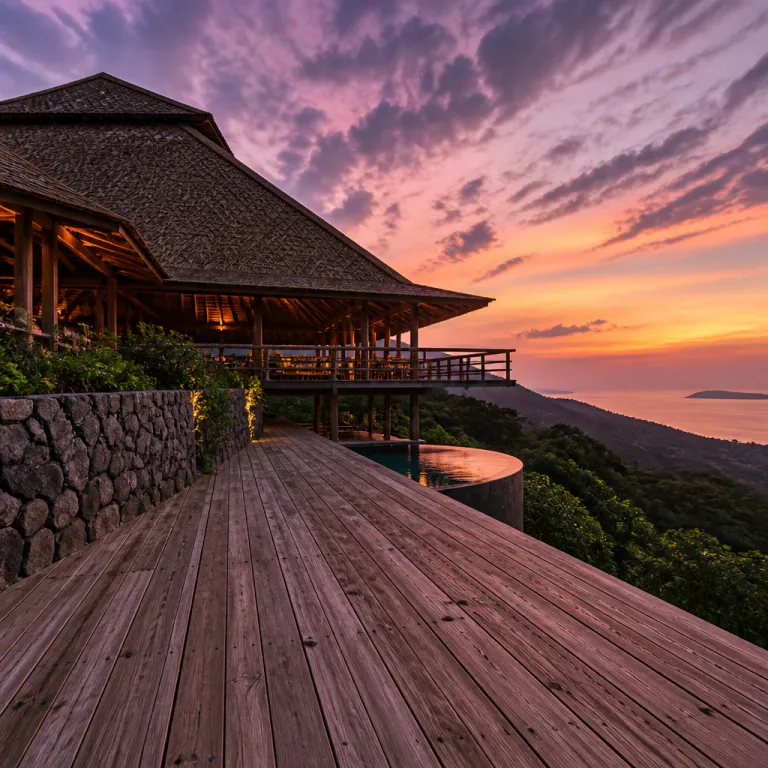
Why costa rica eco lodge architecture design now defines true luxury
Costa Rica has become a laboratory for costa rica eco lodge architecture design that treats the rainforest as the lead architect. High end lodges and every coastal resort now use design and eco friendly construction to frame volcanoes, cloud forest canopies and Pacific swells as if they were moving artworks. For families choosing a luxury hotel, the building itself quietly shapes how children meet wildlife, how parents unwind and how everyone understands the surrounding environment.
The country’s electricity grid runs on renewable resources at levels that few destinations match, and that commitment filters directly into resort design and day to day hospitality choices. According to the Costa Rican Electricity Institute (ICE), more than 98% of national power generation has come from renewable sources in recent years, mainly hydro, wind, geothermal and solar. Architects and owners lean into design eco principles such as natural ventilation, shaded circulation paths and raised platforms that respect natural drainage while still meeting international expectations of lodge luxury. This is where the tension between open air living and climate controlled comfort becomes productive, because the best costa rican teams use architecture to reduce energy demand before a single air conditioning unit is installed.
Local studios such as Alianz, Carazo Arquitectos and Oppenheim Architecture now treat each eco lodge as a long term environmental statement rather than a short term tourism project. Their work on lodges like Poás Volcano Lodge and the San Silencio lodge is documented in firm portfolios and tourism board features, showing how a main lodge can act as a quiet observatory, a social house and a climate buffer in one coherent piece of architecture. For travelers browsing curated platforms such as mycostaricastay.com, this shift means that choosing a luxury lodge is no longer only about thread count or spa menus, because it is about how the building allows guests to feel part of the forest without overwhelming it.
Biophilic architecture that lets the forest into the room
Walk into the main lodge at a serious costa rica eco lodge and you often step straight into a double height space that feels more like a forest clearing than a lobby. Retractable walls, open air corridors and carefully framed voids in the interiors pull in breezes, birdsong and filtered light, turning everyday family experiences into quiet theatre. This is biophilic design in practice, where architecture and interior design use natural patterns, textures and views to lower stress and keep children as engaged by tree frogs as by screens.
In many costa rican lodges, bathrooms open to private gardens, and a swimming pool is set along a ridge so that the water line merges with the canopy or the Pacific horizon. These choices in resort design are not decorative; they are planning tools that orient each lodge eco suite to maximize cross ventilation and minimize the need for mechanical cooling. When you book a luxury eco stay through a specialist platform, you are often choosing between different expressions of the same design costa philosophy, where the building is a finely tuned instrument for catching wind, shade and sound.
Families who care about costa rica eco lodge architecture design increasingly behave like architecture tour guests, asking about which studio led the project and how local materials were used. They want to know whether the timber in the modern house style villas is certified, how impact design strategies protect nearby wildlife corridors and whether the resort’s layout respects existing trees. If you are planning a trip built around meaningful architecture focused experiences, pairing this design literacy with curated itineraries such as the anniversary journeys beyond the standard resort package can help you match the right house scale and lodge type to your family’s rhythm.
Balancing open air freedom with family friendly comfort
Open air architecture is seductive in the tropics, but families booking a luxury lodge in Costa Rica quickly learn that comfort is non negotiable. Children need quiet sleep, parents need privacy and everyone needs a refuge when the afternoon storm rolls across the valley or the trade winds rise. The most successful costa rica eco lodge architecture design resolves this by layering spaces, using deep overhangs, screened verandas and insulated bedroom pods that sit behind more porous living areas.
At properties shaped by studios such as Alianz or Oppenheim Architecture, you often see a main lodge that is almost entirely open to the landscape, while guest rooms step back into more controlled interiors with carefully sealed glazing. This allows guests to dine, read and swim in spaces that feel fully part of the surrounding environment, then retreat to quiet, climate controlled rooms when needed. For parents, that balance between lodge eco romance and reliable sleep is the difference between a beautiful stay and a frustrating one.
In surf towns and coastal enclaves, new resort design projects pair shaded decks, cross ventilated corridors and elevated walkways with more enclosed family suites that still feel airy. Articles on the quiet luxury wave along Costa Rica’s surf coast describe how these hotels use design eco strategies to keep air moving while protecting against salt spray and noise. When you compare lodges on a booking platform, look for clear descriptions of how the building handles wind, rain and sound, because architecture is your first line of comfort long before any service recovery in hospitality can help.
Sustainability through orientation, materials and impact design
In Costa Rica, sustainability is not a marketing afterthought; it is embedded in how each eco lodge is sited, oriented and built. Architects start with the sun path, prevailing winds and existing trees, then use this data to position the main lodge, secondary lodges and every modern house style villa. By doing so, they reduce heat gain, capture breezes and protect root systems, which in turn lowers long term energy use and preserves the surrounding environment for future guests.
Studios such as Carazo Arquitectos and Alianz rely on local materials, from plantation grown timber to volcanic stone, which shortens supply chains and keeps more value in Costa Rican communities. Their impact design approach often includes raised platforms that respect natural drainage, thatched or ventilated roofs inspired by indigenous house traditions and shaded walkways that link rooms to the swimming pool without clearing extra forest. These decisions in design and construction may seem invisible during a family breakfast, yet they are the reason howler monkeys still cross above the resort instead of skirting around it.
When you read about architectural lodging in specialist news features, you will often see the same core principles repeated because they work. “What is architectural lodging?” and “Why is Costa Rica popular for eco-lodges?” sit alongside “How do these lodges benefit the environment?” in expert explainers, and the answers are consistent: “Lodging where building design enhances guest experience”; “Rich biodiversity and commitment to sustainability”; “Use sustainable materials and practices to minimize impact.” For travelers using a curated guide to elevate their costa rica eco lodge architecture design choices, this means asking direct questions about environmental assessments, local partnerships and how the resort design supports nearby communities.
How to choose architecture led lodges for a premium family stay
Selecting the right costa rica eco lodge architecture design for a family trip starts with clarifying what you want the building to do for you. Some travelers prioritize a main lodge that acts as a social hub with long tables, a generous swimming pool terrace and open views, while others prefer more intimate lodges where each house scale unit feels like a private retreat. Either way, the architecture should allow guests to move easily between shared experiences and quiet time, without long, exposed walks in heavy rain or steep, unlit paths at night.
Look closely at floor plans, site maps and photography to understand how the resort design organizes space, especially if you are traveling with younger children or older relatives. A well planned luxury eco property will cluster family suites near the restaurant and activity desk, while keeping adults only areas slightly removed so that everyone can relax. Pay attention to how interiors use cross ventilation, ceiling fans and shading before resorting to air conditioning, because this signals a serious design eco mindset rather than a superficial eco friendly label.
Finally, consider how the lodge’s architecture supports the experiences you care about most, whether that is birdwatching at dawn, tide pool explorations or quiet reading with a view of the forest. A Costa Rican luxury lodge designed around wildlife corridors and natural sightlines will often reveal more in a single morning than a conventional hotel might in several days. By treating the building as an amenity in its own right, and by using trusted platforms that curate architecture forward properties rather than listing every resort in Costa Rica, you give your family a stay where the house, the lodges and the landscape feel like one continuous, memorable space.
FAQ
What makes costa rica eco lodge architecture design different from standard hotels ?
Costa Rica’s eco focused lodges are planned so that architecture, interiors and landscape work together to frame the surrounding environment rather than shut it out. Buildings are oriented for natural light and ventilation, use local materials and often feature open air main lodge spaces that connect directly to forest or ocean views. Standard hotels tend to prioritize sealed volumes and mechanical systems, while these lodges rely on design eco strategies to reduce energy use and deepen the guest experience.
How early should I book a luxury eco lodge in Costa Rica ?
High demand for architecture led lodges means that families should book several months in advance, especially for school holiday periods. Many of the most sought after properties have a limited number of suites or house style villas, because their resort design intentionally keeps density low to protect the landscape. Early planning also gives you time to align room layouts, accessibility needs and preferred experiences with the specific strengths of each lodge.
Are eco lodges in Costa Rica suitable for children ?
Most Costa Rican eco lodges that operate at the luxury level are very family friendly, though the degree of child focus varies by property. Look for clear information about railings, paths, proximity to the swimming pool and whether the main lodge offers flexible dining for younger guests. Architecture that balances open air spaces with secure, well lit circulation routes usually signals a good fit for families.
How do I know if a lodge’s sustainability claims are credible ?
Credible eco lodges in Costa Rica can explain their impact design choices in detail, from energy sources and water treatment to local hiring and conservation partnerships. Ask about certifications, environmental impact assessments and how the resort design protects wildlife corridors or existing trees. Properties that share specific data and collaborate with local communities tend to be more trustworthy than those relying on vague eco friendly language.
Is architectural lodging more expensive than traditional resorts ?
Architecture forward lodges often sit in the premium or luxury price bracket, because low density planning, high quality materials and specialized studios increase construction costs. However, the value comes from the way the building itself enriches your stay, turning simple activities into memorable experiences. When you compare rates, consider how much time your family will spend enjoying the main lodge, terraces and views, because in these places the building is part of what you are paying to experience.
References
Architectural Digest; Costa Rican Tourism Board; International Living Future Institute; Costa Rican Electricity Institute (ICE).